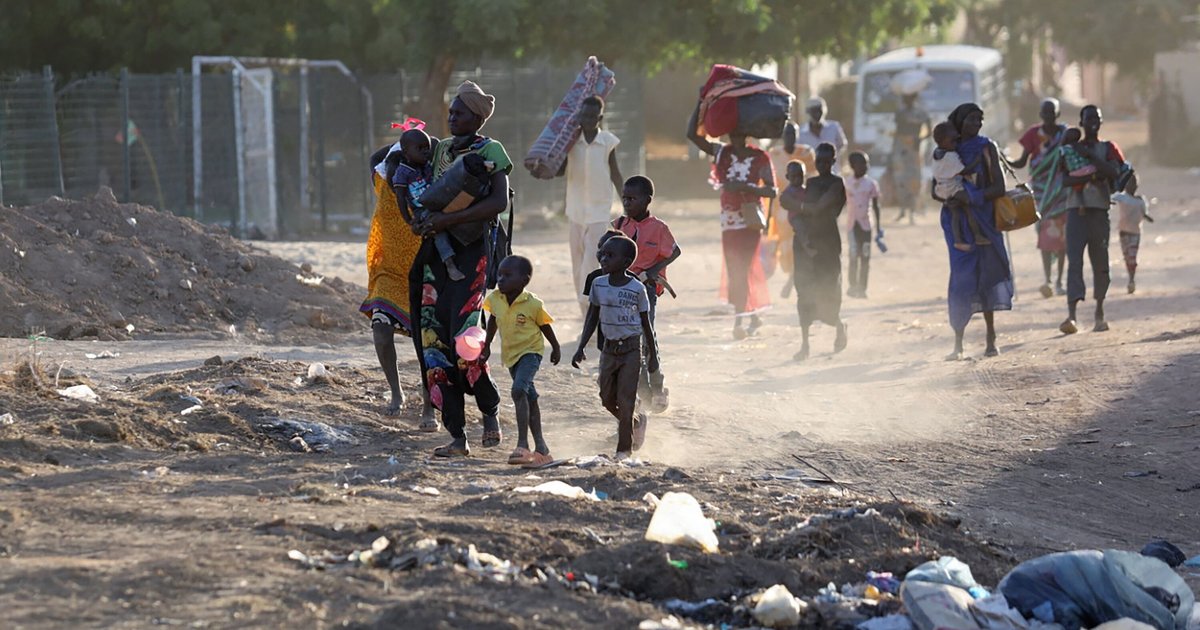
Nine United Nations agencies have resumed their activities in Khartoum after a hiatus that began with the outbreak of fighting on April 15, 2023. This development comes at a time when Sudan is grappling with a worsening humanitarian crisis, amidst ongoing conflicts in the Darfur, Kordofan, and Blue Nile regions.
The agencies that have returned to work include the Resident Coordinator's Office, the Office for the Coordination of Humanitarian Affairs (OCHA), the United Nations Development Programme, UN Women, UNESCO, and the United Nations High Commissioner for Refugees, along with departments focused on security, media, and projects.
Details of the Resumption
The UN flag was raised alongside the Sudanese flag over the main UN headquarters in Khartoum, symbolizing the international organization's return to the capital. These agencies had previously closed their offices and relocated their activities to safer areas, negatively impacting the speed of humanitarian response.
In her opening remarks, Dennis Brown, the Resident Coordinator and Humanitarian Coordinator in Sudan, emphasized that the UN's return is not merely an administrative procedure but a manifestation of a direct field commitment to the Sudanese people. She highlighted the challenging conditions faced by people in areas like South Kordofan, where communities are suffering from severe shortages of aid.
Background & Context
This return comes at a time when Sudan is facing significant humanitarian challenges, with reports indicating that approximately 20 million people are in urgent need of humanitarian assistance. More than 9 million internally displaced persons are experiencing acute shortages of food and medicine, necessitating a swift and effective response from the international community.
The country has witnessed ongoing conflicts for years, exacerbating the humanitarian situation. However, the UN's return represents an opportunity to rebuild trust and enhance stability, especially as some relative improvements in security conditions have been noted in certain areas.
Impact & Consequences
Political analyst Al-Noor Jadin believes that the UN's return to Khartoum is not just a symbolic step but reflects a response to an extremely complex humanitarian reality. He points out that the presence of UN agencies in the capital enhances the speed of response and restores confidence in the international community's ability to support Sudan.
The current challenges require transforming this UN presence from mere crisis management to long-term programs that address the root causes of the crisis and support the resilience of local communities. Haoliang Xu, the UN Assistant Secretary-General and Deputy Director of the UN Development Programme, confirmed that the goal is to transition to programs that enhance infrastructure, education, and empower women and youth.
Regional Significance
The UN's return to Khartoum is seen as an indicator of the potential for achieving peace and stability in a region plagued by conflicts. The success of this return depends on the ability of the international community and the Sudanese government to turn symbolism into tangible reality, which could positively impact humanitarian conditions in neighboring countries.
In conclusion, the UN's return to Khartoum remains a true test of its capacity to provide effective and sustainable support to the Sudanese people amidst ongoing war conditions. The success of these efforts will be measured by their impact on the lives of citizens and the improvement of their humanitarian conditions.