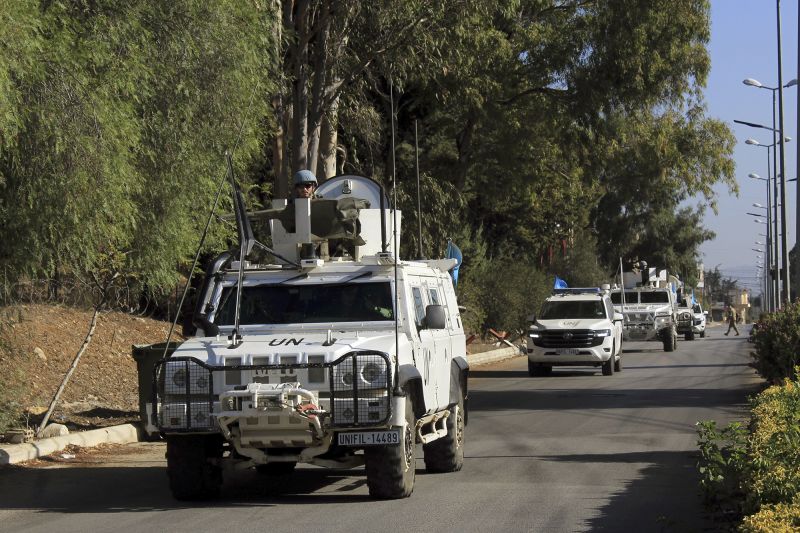
UN Secretary-General Antonio Guterres condemned the killing of an international peacekeeper and the injury of another in an incident that occurred in southern Lebanon. Guterres emphasized the necessity of holding those responsible for this attack accountable, highlighting the importance of protecting peacekeeping forces operating in conflict zones.
The incident, which took place in the region of southern Lebanon where the United Nations Interim Force in Lebanon (UNIFIL) is stationed, has raised widespread international concern, especially given the deteriorating security conditions in Lebanon. Guterres noted that this attack represents a blatant violation of international law and should not go unpunished.
Details of the Incident
According to reports, the attack occurred while peacekeeping forces were carrying out their routine duties in the area. The incident resulted in the death of a soldier from one of the countries participating in UNIFIL, while another was seriously injured. Specific details regarding the circumstances of the attack or the party responsible have not yet been clarified, which heightens the state of anxiety and tension in the region.
UNIFIL has been part of the United Nations' efforts to maintain peace and stability in Lebanon since 1978, and in recent years, it has faced several attacks, raising questions about the effectiveness of these forces in addressing increasing security challenges.
Background & Context
Historically, Lebanon has witnessed multiple conflicts, starting from the civil war in the 1970s to regional disputes that have affected its stability. In recent years, economic and political crises have intensified, leading to increased tensions among various political and sectarian factions.
This incident comes at a sensitive time as Lebanon seeks to regain its stability after years of consecutive crises. Additionally, the security situation in southern Lebanon is significantly influenced by tensions between Israel and Hezbollah, complicating the situation further.
Impact & Consequences
This incident may lead to an escalation of tensions in the region, especially if those responsible are not held accountable. The continued attacks on peacekeeping forces could adversely affect the United Nations' ability to carry out its missions in Lebanon, potentially reflecting on regional stability.
This incident serves as a reminder to the international community of the necessity to support peacekeeping efforts in conflict areas, as any decline in support could exacerbate humanitarian and security conditions.
Regional Significance
Lebanon is a pivotal point in regional conflicts, and any escalation of violence could impact neighboring countries. Events in Lebanon may reflect broader implications for stability in the Middle East, especially given the current crises in Syria and Iraq.
In conclusion, the need for comprehensive dialogue and national reconciliation in Lebanon remains essential to avoid further escalation. The international community must act urgently to support peace and stability efforts in the region.