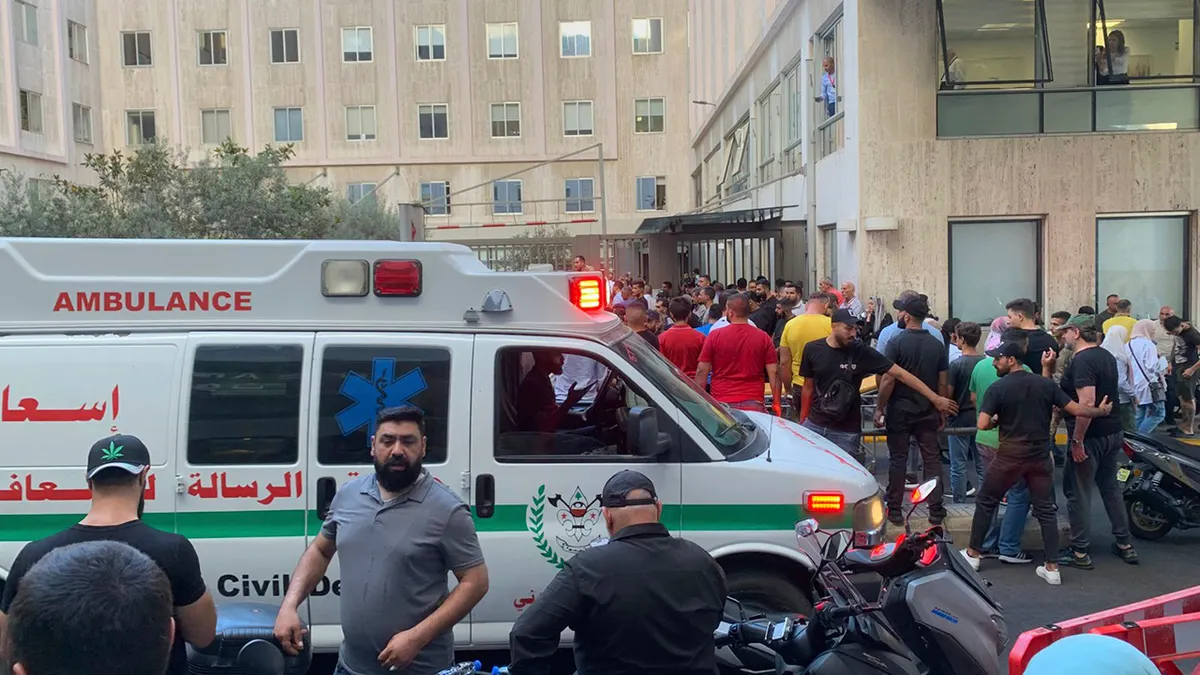
The United Nations has confirmed that the investigation into the attack that resulted in the deaths of three Indonesian peacekeepers in the United Nations Interim Force in Lebanon (UNIFIL) is ongoing, with results expected to be announced soon. The attack took place on March 29, raising international concerns about the safety of peacekeeping forces.
During a press conference, the spokesperson for the UN Secretary-General, Stefan Dujarric, stated that the attack on UNIFIL peacekeepers is unacceptable and those responsible must be held accountable. He noted that investigations are underway despite the challenges faced, as technical experts work to examine evidence at the incident site and communicate with relevant parties.
Details of the Incident
The attack occurred in an area near the location of the Indonesian forces in Lebanon, where the troops were fired upon by artillery on March 29, resulting in the death of Indonesian soldier Farizal Romadon. The following day, another convoy of Indonesian forces was attacked, leading to the deaths of two more personnel, Captain Zalmi Aditya Iskandar and Corporal Muhammad Noor Eishwan.
Dujarric also pointed out that the situation in the region is tense, with reports of significant explosions in the village of Naqoura near the UNIFIL headquarters, in addition to 62 violations of airspace reported on March 31, amidst increased Israeli military activity.
Background & Context
The United Nations Interim Force in Lebanon (UNIFIL) was established in 1978 to monitor the ceasefire between Lebanon and Israel and to ensure the withdrawal of Israeli forces from Lebanon. Since then, peacekeeping forces have faced numerous attacks, raising questions about the effectiveness of this force in achieving security and stability in the region.
Historically, the region has experienced ongoing tensions, particularly with the escalation of Israeli military activities in Lebanon, increasing the risk of attacks on peacekeeping forces. The Indonesian troops were redeployed to Lebanon as part of their commitment to participate in international peacekeeping operations.
Impact & Consequences
The recent attack highlights the dangers faced by peacekeeping forces in conflict areas and reflects the challenges the United Nations faces in achieving security. The continued attacks on these forces could negatively impact peace efforts in the region and complicate the security situation further.
It is expected that the results of the investigation will lead to actions by the United Nations, potentially resulting in calls for increased protection for peacekeeping forces, which could affect the UN's strategies in dealing with future conflicts.
Regional Significance
These events are significant for the Arab region, as they reflect the ongoing tensions between Lebanon and Israel and their impact on regional security. Attacks on peacekeeping forces could lead to a deterioration of relations between the involved countries, necessitating international intervention to ensure the safety of these troops.
In conclusion, the situation in Lebanon remains under scrutiny, as the international community looks forward to the results of the investigations, hoping that these outcomes will contribute to enhancing security and stability in the region.