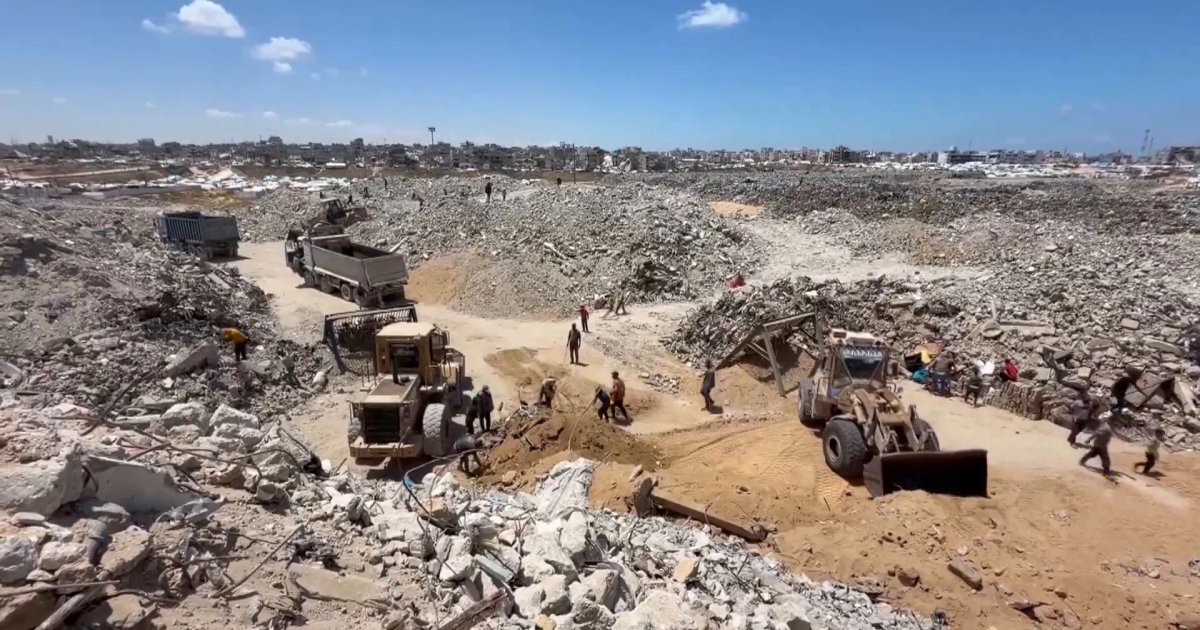
The United Nations continues its efforts in the Gaza Strip to remove approximately 60 million tons of debris, which has become a significant barrier to the daily lives of residents and negatively impacts the access to humanitarian aid. This project is part of the United Nations Development Programme, which seeks to address the rubble through five main sites, amidst field challenges and a severe shortage of heavy equipment necessary to accomplish this task.
The accumulated debris is a result of ongoing conflicts in the region, where much of the infrastructure and homes have been damaged. This situation necessitates urgent interventions to ensure a safe and healthy environment for the population, especially under the difficult humanitarian conditions that the sector is experiencing.
Event Details
A report by Ghazi Aloul indicates that the UN project aims to gradually remove the debris, focusing on the most affected areas. This project is part of broader efforts aimed at rebuilding Gaza and improving living conditions there. However, field teams face significant challenges, including a lack of heavy equipment and necessary resources.
The action plan includes prioritizing debris removal in vital areas, such as main roads and public facilities. The programme also seeks to involve the local community in reconstruction efforts, enhancing job opportunities and reducing unemployment in the region.
Background & Context
Historically, the Gaza Strip has witnessed numerous wars and conflicts that have led to widespread destruction of infrastructure. Since 2007, Israel has imposed a blockade on the sector, exacerbating the humanitarian situation. This situation has resulted in the accumulation of vast amounts of debris, making it difficult for residents to return to their normal lives.
The United Nations and the international community strive to provide the necessary support for reconstruction, but political and economic challenges remain. The current situation requires the concerted efforts of all stakeholders to ensure effective and sustainable outcomes.
Impact & Consequences
Removing debris in Gaza is not merely a humanitarian task; it is a fundamental step towards rebuilding the community. With the increasing number of displaced persons and refugees, it becomes essential to provide a safe and sustainable environment. Improving infrastructure will also contribute to boosting the local economy and opening new avenues for development.
These efforts require extensive international cooperation, where NGOs and civil society can play a significant role in supporting these initiatives. The success of the project depends on the stakeholders' ability to overcome current obstacles and achieve tangible results.
Regional Significance
The repercussions of the situation in Gaza extend beyond the sector, as humanitarian crises affect regional stability. Rebuilding Gaza could serve as a model for other conflict-affected areas. Additionally, improving humanitarian conditions in Gaza may contribute to enhancing peace and stability in the region.
In conclusion, the UN's efforts to remove debris in Gaza represent a vital step towards rebuilding the community and improving humanitarian conditions. This project requires the collaboration of all parties to achieve effective and sustainable results, opening new horizons of hope for the future.