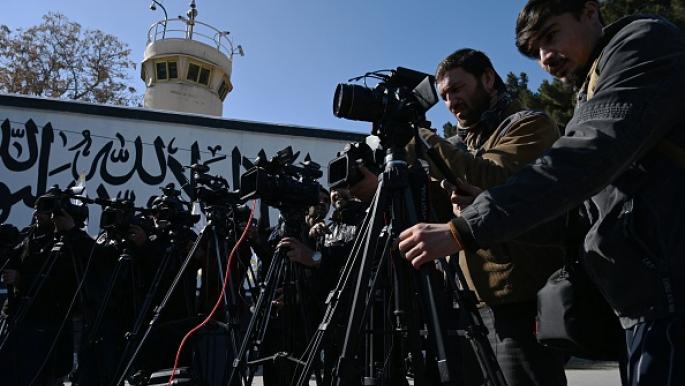
The United Nations expressed its grave concern on Thursday regarding the detention of at least three Afghan journalists, who were arrested by Taliban security forces last week. This development comes at a sensitive time when Afghanistan is witnessing a rise in restrictions on freedom of expression and human rights.
International fears regarding the deterioration of human rights conditions in Afghanistan have escalated since the Taliban regained power in August 2021. This return has led to strict limitations on media, adversely affecting journalists' ability to perform their work freely and safely.
Details of the Incident
The recent incident involves the arrest of the three journalists while they were covering local events. Local sources confirmed that the arrests were made without clear charges, raising questions about the legal basis for these actions. Reports also indicated that the journalists faced threats during their detention, increasing concerns about their safety.
These arrests are part of a broader campaign targeting journalists and activists who criticize Taliban policies. Several human rights organizations have issued statements condemning these detentions, calling for the immediate release of the detained journalists.
Background & Context
Since the Taliban's takeover, Afghanistan has experienced a notable decline in press freedom. Many media outlets have shut down, while others have been forced to alter their content to avoid targeting. In this context, freedom of expression is one of the fundamental rights under threat in the country, raising alarms within the international community.
Historically, Afghanistan has suffered from prolonged conflicts, impacting its political and social stability. With the Taliban's return, it has become evident that the challenges facing the country require an effective international response to uphold human rights.
Impact & Consequences
These arrests serve as an indicator of the increasing repression against journalists in Afghanistan, which may exacerbate the humanitarian situation in the country. Furthermore, the continuation of these policies could negatively affect relations between the Taliban and the international community, as calls for pressure on the group to ease restrictions on freedoms grow.
If the Taliban continues to violate journalists' rights, it may face diplomatic and economic repercussions, impacting its ability to secure international support. In this context, press freedom is an essential part of any successful political process.
Regional Significance
Press freedom is also a pivotal issue in the Arab world, where many countries face similar challenges. Events in Afghanistan may inspire journalists and activists in the region to uphold their rights and advocate for freedom of expression. These issues highlight the importance of international solidarity in confronting violations.
Ultimately, there must be an effective international response to address the challenges faced by journalists in Afghanistan, as freedom of expression is one of the foundations upon which democratic societies are built.