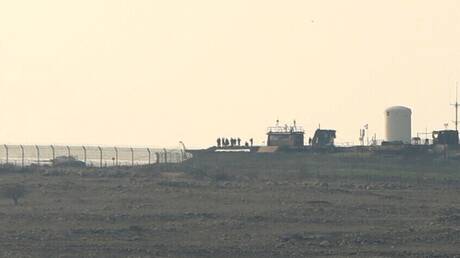
The UN Human Rights Council adopted resolution (L.8) concerning the human rights situation in the occupied Syrian Golan during its sixty-first session. This decision comes at a time when concerns about human rights violations in occupied territories are increasing, reflecting the international community's commitment to monitoring humanitarian conditions in this sensitive area.
The resolution emphasizes the need to respect the rights of local residents in the Golan and calls on Israeli authorities to cease all violations that contradict international human rights standards. It also stresses the importance of providing support to victims and enhancing accountability mechanisms.
Details of the Resolution
The resolution was approved by a majority vote, with many countries supporting it, reflecting the growing concern of the international community regarding the situation in the Golan. Speakers during the session noted that this resolution represents an important step towards enhancing human rights in occupied territories and reflects the UN's commitment to monitoring humanitarian conditions.
The session also addressed reports from international human rights organizations, which documented numerous violations faced by local residents, including arbitrary arrests, discrimination, and restrictions on freedom of expression. Many delegates pointed out that these violations require urgent action from the international community.
Background & Context
Historically, the occupied Syrian Golan is a strategic area that was seized by Israel during the 1967 war. Since then, the residents of the Golan have lived under difficult conditions, with their basic rights continuously violated. Israel has attempted to impose its control over the region through measures that contradict international law, exacerbating the humanitarian situation.
International reports on human rights in the Golan are part of broader efforts to monitor conditions in occupied territories. Many human rights organizations have issued reports documenting violations, contributing to increased pressure on the international community to take action.
Impact & Consequences
This resolution could have a significant impact on the situation in the Golan, reflecting the international community's commitment to monitoring human rights. This may lead to increased pressure on Israel to comply with international standards and could contribute to improving the humanitarian conditions for local residents.
Moreover, this resolution may open the door for further discussions on human rights in occupied territories and enhance the role of the UN in this context. It is likely to result in increased international support for victims and affected communities.
Regional Significance
This resolution is part of broader efforts to promote human rights in the Arab region. It reflects the growing concern among Arab countries regarding the situation in the Golan and strengthens their position in advocating for the rights of Palestinians and Syrians in occupied territories.
Additionally, this resolution may encourage Arab countries to adopt firmer stances towards Israeli violations, potentially leading to new diplomatic initiatives in the region. Ultimately, this resolution represents a step towards enhancing justice and accountability in the context of human rights.