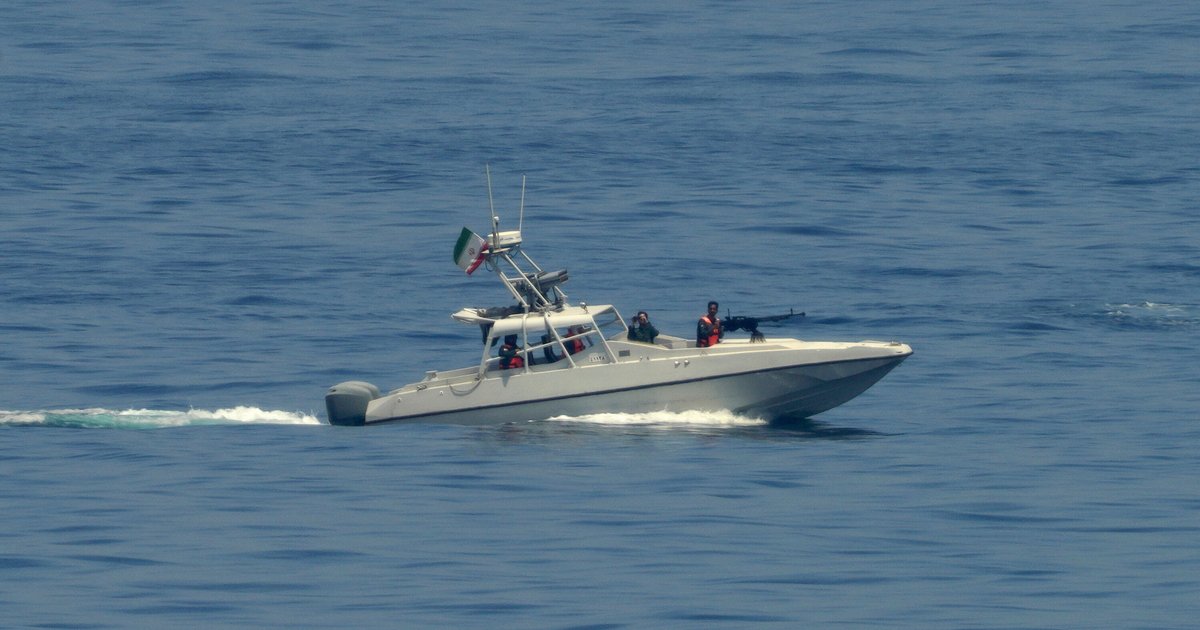
As tensions escalate in the Hormuz Strait, UN Secretary-General Antonio Guterres held phone discussions with Iranian Foreign Minister Abbas Araghchi, where they discussed the deteriorating conditions in the region and their impact on shipping. These talks come at a sensitive time, as the area has witnessed military escalations between the United States and Iran, leading to serious threats to maritime navigation.
During a press conference, UN spokesperson Stephan Dujarric confirmed that Guterres had also reached out to several international officials, including the US Ambassador to the UN Mike Pompeo, Egyptian Foreign Minister Badr Abdel Aty, and Pakistani Foreign Minister Ishaq Dar. These communications are expected to increase in the coming days.
Details of the Event
These developments follow a series of military strikes carried out by the United States and Israel against Iranian targets, including the capital Tehran, resulting in civilian casualties. In response, Iran launched attacks on Israeli sites and others affiliated with US forces in the region, exacerbating tensions.
The Hormuz Strait is a vital point in global shipping, with approximately 20% of the world's oil passing through it. As tensions rise, there is increasing concern about the possibility of an actual closure of the strait, which would significantly impact global oil prices.
Background & Context
Historically, the Arabian Gulf region has experienced ongoing tensions between Iran and Western countries, particularly the United States. Since Washington's withdrawal from the Iranian nuclear agreement in 2018, crises between the two sides have escalated, leading to a series of military clashes and hostile statements.
These crises are part of a broader struggle between regional and international powers, with Iran seeking to enhance its influence in the region, while the United States and its allies attempt to curb this influence. These dynamics have created an unstable environment affecting both regional and global security.
Impact & Consequences
The current escalation in the Hormuz Strait has significant implications for the global economy. If tensions persist, this could lead to unprecedented increases in oil prices, impacting global economies, especially those heavily reliant on oil imports.
Moreover, any closure of the Hormuz Strait could intensify conflict in the region, potentially necessitating greater international intervention. There are concerns that this situation could lead to a comprehensive military escalation, affecting security and stability in the Middle East.
Regional Significance
For Arab countries, the rising tensions in the Hormuz Strait represent a direct threat to their security and stability. Many Gulf countries rely on exporting oil through this strait, and any disruptions could significantly impact their revenues.
Furthermore, the situation may lead to increased tensions between Arab states and Iran, potentially exacerbating existing conflicts in the region. It is crucial for Arab nations to enhance cooperation among themselves to face these challenges and ensure the security of navigation in their territorial waters.