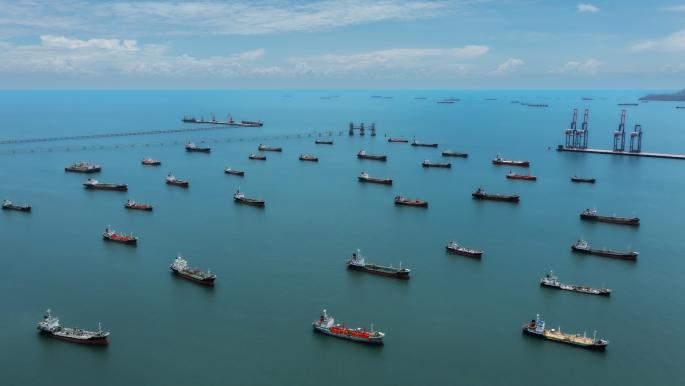
The United Nations has announced the formation of a working group aimed at developing a new mechanism to facilitate fertilizer trade through the Strait of Hormuz, one of the most important maritime passages in the world. This announcement comes at a sensitive time as concerns grow over the impact of geopolitical crises on global trade, especially amid escalating tensions in the region.
In a related context, U.S. Senator Marco Rubio expressed his firm rejection of imposing any transit fees on ships passing through the Strait of Hormuz, emphasizing the importance of maintaining freedom of navigation in this vital corridor. Rubio urged affected countries to take effective measures to protect their commercial interests.
Details of the Initiative
This step by the United Nations is part of its ongoing efforts to support global trade and ensure market stability. The Strait of Hormuz is a key transit point for oil and gas, witnessing significant traffic of commercial vessels. Fertilizer trade represents an important part of this movement, playing a vital role in global food security.
The new mechanism aims to streamline customs procedures and reduce restrictions that may hinder the movement of ships, thereby enhancing trade between countries. Improvements in port infrastructure and facilitation of inspection and customs clearance processes are expected to be part of this mechanism.
Background & Context
The Strait of Hormuz is a narrow waterway separating Iran from Oman, and it is considered one of the most important maritime passages in the world, through which approximately 20% of the world's total oil passes. Historically, the strait has witnessed numerous military and political tensions, affecting trade movement and leading to rising oil prices in global markets.
In recent years, concerns have increased regarding escalating tensions between Iran and the United States, impacting regional stability. These tensions have led to economic sanctions on Iran, affecting its oil and gas exports, and consequently impacting trade movement in the region.
Impact & Consequences
The new mechanism announced by the United Nations is seen as a positive step towards enhancing trade in the region and may help alleviate economic pressures on countries affected by crises. Rubio's rejection of transit fees reflects the United States' desire to maintain stability in navigation through the strait, which could have a positive impact on global markets.
However, the question remains about the effectiveness of this mechanism in addressing existing challenges, especially amid ongoing political tensions. The concerned countries may need to cooperate more closely to ensure the success of these efforts.
Regional Significance
The fertilizer trade is a vital sector in many Arab countries, playing a fundamental role in supporting agriculture and food security. Therefore, facilitating trade movement through the Strait of Hormuz could have a positive impact on Arab economies, especially those reliant on fertilizer imports.
Moreover, stability in navigation through the strait could contribute to enhancing confidence in Arab markets, potentially leading to increased investments and improved economic conditions in the region.
In conclusion, there is hope that these efforts will contribute to greater stability in the region and enhance cooperation among countries to face economic and political challenges.