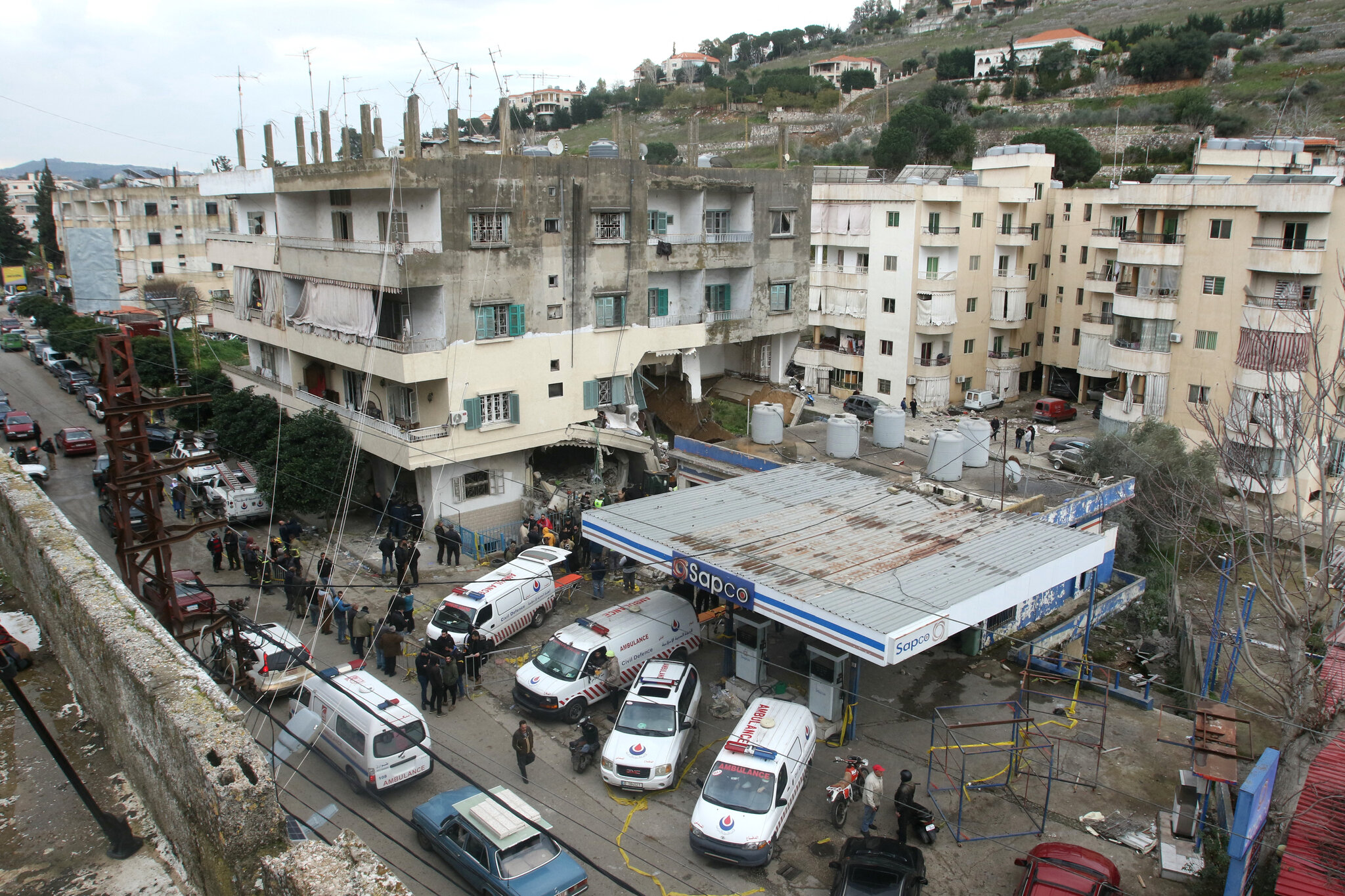
A United Nations peacekeeper, known as UNIFIL, was killed in southern Lebanon overnight, leading to angry reactions and condemnations from various parties. The soldier, who was of Indonesian nationality, is considered the first member of UNIFIL to be killed since the outbreak of the new war between Israel and Lebanese Hezbollah on March 2.
This incident comes at a highly sensitive time, as the region has witnessed significant military escalation, with Israeli airstrikes resulting in the deaths of several Lebanese journalists and medical practitioners, further intensifying tensions in the country.
Details of the Incident
According to reports, the incident occurred during an Israeli military operation in southern Lebanon, where Israeli forces were targeting sites believed to be associated with Hezbollah. These operations have raised concerns among local residents, who live under the strain of ongoing conflict. The Indonesian soldier was part of the UNIFIL mission aimed at maintaining peace and stability in the region, which has had its forces deployed to Lebanon since the Lebanese Civil War in the 1980s.
These events come at a critical time, as fears of a larger escalation in the conflict between Israel and Hezbollah are growing, which could have serious implications for regional security.
Background & Context
The UNIFIL mission was established in 1978 to monitor the ceasefire between Israel and Lebanon and has faced numerous challenges over the years. The recent conflict between Israel and Hezbollah began on March 2, with both sides exchanging military strikes, exacerbating the humanitarian situation in the region. These conflicts have led to the deaths of many civilians, raising concerns within the international community.
Lebanon, which is suffering from a crippling economic crisis, faces additional challenges as violence escalates. The Lebanese government, struggling with instability, finds itself in a difficult position as it must deal with both internal and external pressures.
Impact & Consequences
The killing of the Indonesian soldier is seen as a painful event not only for the United Nations but also for international efforts aimed at achieving peace in the region. This incident may affect the military operations of UNIFIL, as these forces could face increased risks amid rising violence.
Furthermore, this incident may increase pressure on the Lebanese government, which is expected to face criticism for its inability to protect civilians and international forces. The escalation of violence could also impact Lebanon's relations with other countries, particularly those contributing to peacekeeping forces.
Regional Significance
This incident highlights the importance of the security situation in Lebanon and its impact on regional stability. The conflict between Israel and Hezbollah is not just a local issue; it has repercussions for neighboring countries, including Syria and Palestine. Additionally, the escalation of violence could worsen humanitarian crises in the region, necessitating an urgent response from the international community.
In conclusion, the killing of the Indonesian soldier serves as a wake-up call regarding the deteriorating security situation in Lebanon and reflects the urgent need for greater international efforts to achieve peace and stability in the region.