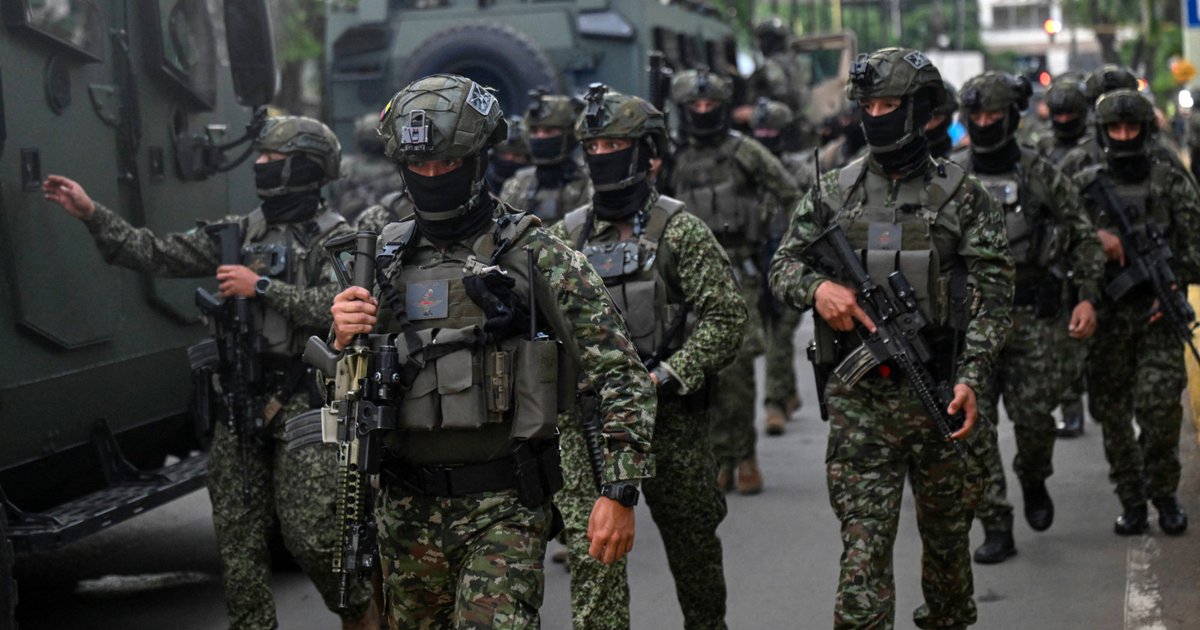
A UN working group focused on the phenomenon of mercenaries revealed in a report released on Friday that around 10,000 Colombian mercenaries have been recruited to participate in armed conflicts worldwide over the past decade. This revelation comes at a time when Colombia is suffering from economic decline, prompting many retired military personnel to seek job opportunities abroad.
The UN team explained that these mercenaries have been used in various conflicts, including Ukraine, Sudan, Yemen, and the Democratic Republic of the Congo. The report noted that some of these mercenaries are former fighters who have been unable to reintegrate into civilian life after leaving service, which exacerbates the phenomenon of mercenarism.
Details of the Recruitment
Michelle Small, the head and rapporteur of the team, confirmed that the deteriorating economic conditions in Colombia, along with the attractive salaries offered to mercenaries, are primary drivers behind this phenomenon. Small reported that many of these mercenaries are looking for work abroad, whether in legitimate or prohibited activities, reflecting the extent of the crisis faced by retired military personnel.
The team also pointed out that there are active recruitment networks through social media platforms such as Facebook, Instagram, TikTok, and Telegram, where available opportunities for mercenaries are promoted. Team member Joana de Deus Pereira clarified that some contracts for these mercenaries are considered legal, as is the case in Ukraine, where Colombians operate under the umbrella of the Ministry of Defense.
Background & Context
Historically, Colombia has suffered from decades of armed conflicts, resulting in the loss of hundreds of thousands of lives. The country has seen the emergence of militias and rebel movements, such as the Revolutionary Armed Forces of Colombia (FARC), the National Liberation Army, and the M-19 Movement. This historical background reflects the environment in which the phenomenon of mercenary recruitment has arisen, as many seek opportunities to survive under difficult conditions.
In a related context, Small revealed the difficult humanitarian conditions faced by mercenaries in conflicts, stating that many wish to return to Colombia, but their passports have been confiscated. Additionally, their families in Colombia struggle to obtain information about their situations abroad.
Impact & Consequences
Concerns are growing that the phenomenon of mercenary recruitment could exacerbate security conditions in the countries where these mercenaries engage. With the increasing global demand for Colombian military personnel, Colombia may become a hub for mercenary recruitment, potentially affecting regional stability.
The UN team welcomed the approval by President Gustavo Petro of a new law aimed at ratifying the 1989 international convention against the recruitment, use, financing, and training of mercenaries. This law could help mitigate this phenomenon, but it requires ongoing efforts to ensure its effective implementation.
Regional Significance
The phenomenon of mercenary recruitment is a global issue that could impact security conditions in many countries, including Arab nations. Amid ongoing conflicts in the region, some young Arabs may find themselves in similar situations, necessitating the need to address the root causes driving them to seek opportunities outside their countries.
In conclusion, this phenomenon reflects the significant challenges faced by Colombia and highlights the urgent need to provide job opportunities and improve economic conditions in the country to ensure that more youth do not slip into dangerous paths.