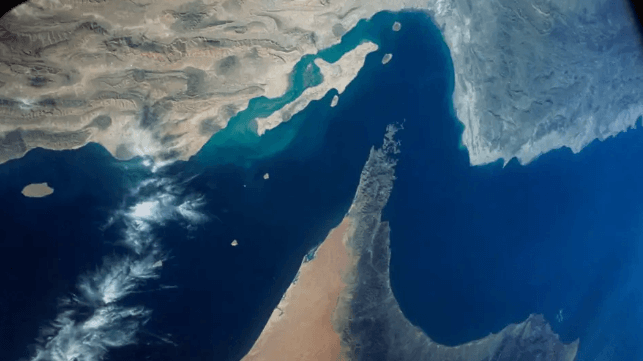
The United Nations has reported the necessity for immediate steps to restore maritime navigation in the Strait of Hormuz, which is considered one of the most vital shipping lanes in the world. This report arrives at a sensitive time as tensions in the region escalate, directly impacting global shipping and trade.
Navigation in the Strait of Hormuz is critical, with approximately 20% of the world's total oil passing through it. The report indicates that any disruption in navigation could lead to significant economic repercussions for both oil-producing and oil-consuming nations.
Details of the Situation
The report issued by the United Nations follows a series of maritime incidents in the strait, including attacks on oil tankers. The report calls on the concerned nations to take immediate actions to ensure the safety of navigation, including enhancing maritime security and coordinating efforts among countries.
Furthermore, the report highlights the importance of international cooperation in this area, as any threat to navigation in the strait can affect the stability of global markets. The United Nations has stressed the need for countries to commit to maritime security cooperation to protect this vital corridor.
Background & Context
The Strait of Hormuz, located between Iran and Oman, is one of the most significant maritime passages in the world, linking the Arabian Gulf to the Sea of Oman. Historically, the strait has witnessed numerous conflicts and tensions, especially amid political and military strife in the region.
In recent years, tensions in the area have escalated due to sanctions imposed on Iran and regional disputes. This has led to an increase in attacks on commercial vessels, raising concerns within the international community regarding the safety of navigation in the strait.
Impact & Consequences
A halt in navigation through the Strait of Hormuz could lead to a significant spike in oil prices, impacting the global economy. Additionally, any escalation in tensions could provoke military responses from the involved nations, further complicating the situation in the region.
The report calls for urgent measures to prevent any escalation, as stabilizing navigation in the strait is crucial for maintaining global market stability. Enhancing maritime security could also help mitigate risks associated with maritime trade.
Regional Significance
For Arab countries, any disruption in navigation through the Strait of Hormuz could directly affect their economies, particularly those reliant on oil exports. Moreover, regional tensions may impact the security and stability of neighboring countries.
Therefore, cooperation between Arab nations and major powers in maritime security is essential to protect economic and security interests in the region. It is vital for Arab countries to enhance their maritime capabilities and collaborate with international partners to ensure the safety of navigation in this critical corridor.