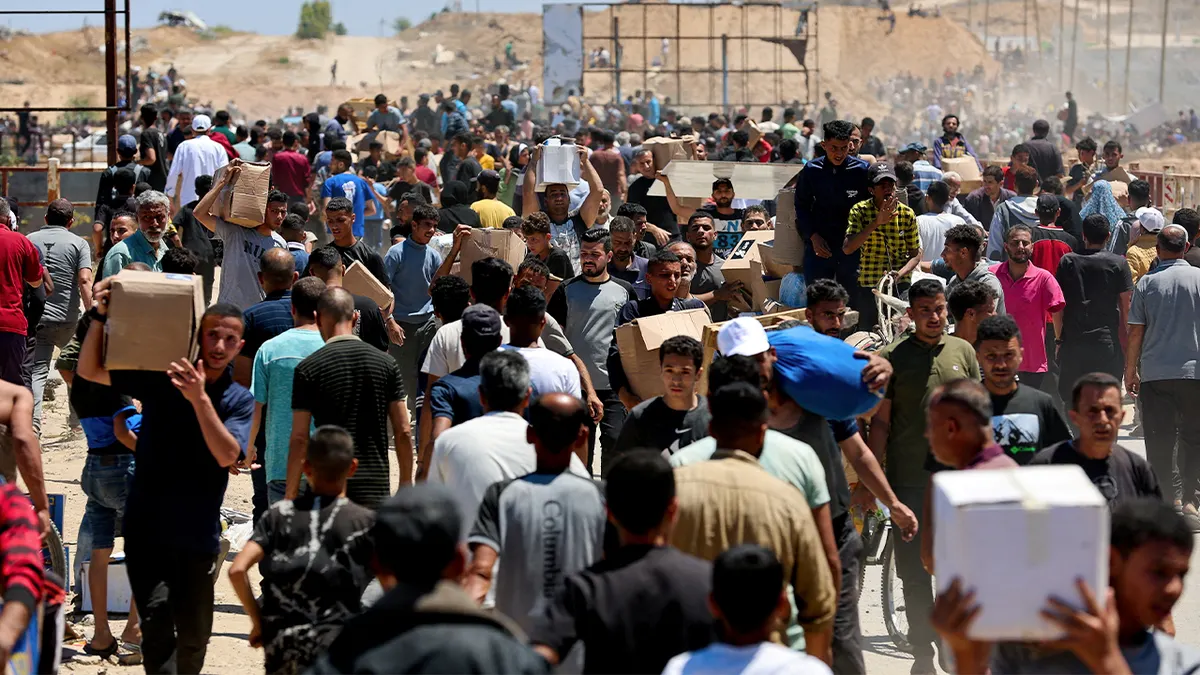
The United Nations Population Fund reports that the humanitarian situation in Lebanon is a continuously reopening wound, highlighting the significant challenges faced by the population amid successive crises. The fund indicated that the current situation requires an urgent response from the international community to support Lebanon in overcoming these crises.
Crises in Lebanon are escalating, with citizens suffering from the repercussions of economic, political, and social turmoil. Reports have shown that the poverty rate has risen dramatically, negatively impacting the lives of millions of Lebanese. Additionally, health and educational crises are worsening, further increasing the suffering of the population.
Details of the Crisis
The United Nations Population Fund revealed that over 80% of Lebanese live below the poverty line, while the unemployment rate has exceeded 40%. These figures reflect the difficult situation faced by citizens, who struggle to obtain basic necessities such as food and medicine. Ongoing political crises hinder government efforts to provide essential services.
Concerns are growing over the spread of diseases due to the deterioration of the healthcare system, with many hospitals suffering from shortages of equipment and medications. The fund warned that these conditions could lead to outbreaks of infectious diseases, posing a significant risk to public health.
Background & Context
Lebanon's history is filled with crises, from the civil war that lasted for many years to the current economic and political challenges. In recent years, Lebanon has experienced an unprecedented economic collapse, with the local currency losing more than 90% of its value. This collapse has exacerbated humanitarian conditions, making it essential for the international community to take action to support Lebanon.
It is noteworthy that Lebanon hosts a large number of Syrian refugees, which increases pressure on infrastructure and public services. This significant influx of refugees places an additional burden on the already struggling Lebanese economy.
Impact & Consequences
The repercussions of the situation in Lebanon extend beyond its borders, affecting regional stability. Humanitarian and political crises could lead to increased tensions in the region, necessitating urgent intervention from the international community. Furthermore, the continuation of these crises may result in a flow of more refugees into neighboring countries, increasing the pressure on those nations.
A coordinated response from countries and international organizations is essential to help Lebanon navigate these crises. Financial and humanitarian support is vital to maintaining stability in the country.
Regional Significance
The situation in Lebanon serves as an indicator of the crises that other countries in the region may face. Economic and political crises could exacerbate humanitarian conditions in other nations, necessitating proactive measures to prevent similar crises. Arab countries must collaborate in providing support and assistance to nations facing similar challenges.
In conclusion, the situation in Lebanon represents a continuously reopening wound that requires urgent international response. Coordinated efforts are necessary to support Lebanon in overcoming these crises, ensuring stability for the entire region.