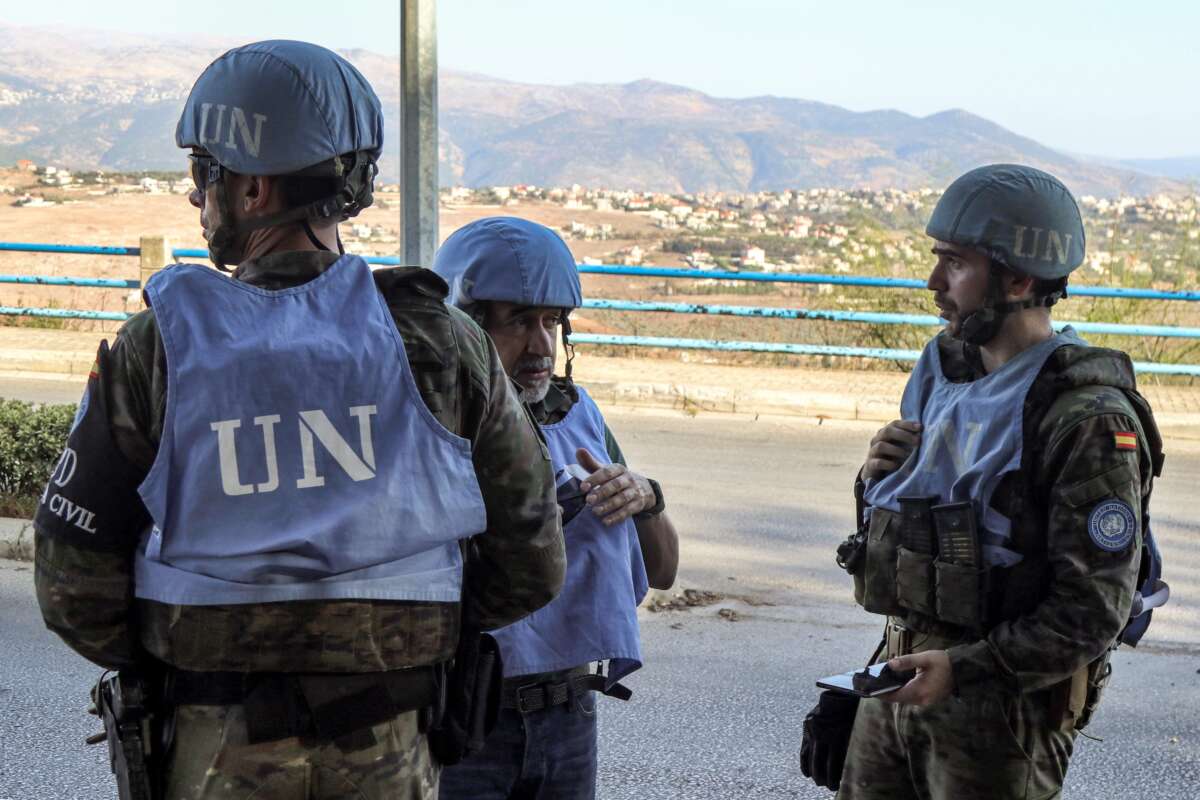
The United Nations has disclosed shocking details concerning the deaths of three Indonesian soldiers serving in peacekeeping forces in Lebanon, with the incidents occurring on March 29 and 30. UN spokesperson, Stephanie Dujarric, reported that initial investigations suggest the first incident was caused by an Israeli tank shell.
According to available data, it was determined that the shell responsible for the soldiers' deaths was of 120 mm caliber, fired from a Merkava tank, targeting a UN position in the It Taybe area. Israeli forces had been informed of the peacekeepers' locations on several occasions prior to the incident.
Details of the Incidents
Regarding the second incident, which occurred on March 30, investigations revealed that the explosion was the result of an improvised explosive device (IED) activated by one of the soldiers. Evidence indicates that this device may have been assembled by the Hezbollah group, complicating the security situation in the region.
The soldiers who lost their lives in these incidents are: Colonel Zulmi Aditya Iskandar, Sergeant First Class Muhammad Noor Eishwan, and Corporal Farizal Romadon. The governments of Indonesia, Lebanon, and Israel have been notified of the incident.
Background & Context
The UN peacekeeping mission in Lebanon, known as UNIFIL, has been deployed in the region since 1978 to maintain peace and security. The mission has faced numerous challenges, particularly in light of ongoing tensions between Israel and Hezbollah. The recent incidents underscore the increasing risks faced by peacekeepers in volatile areas.
In recent years, the security environment in Lebanon has deteriorated, with heightened clashes between various factions. The presence of armed groups, including Hezbollah, poses significant threats to international peacekeeping forces, making their operations increasingly perilous.
Impact & Consequences
The deaths of the Indonesian soldiers have raised alarms regarding the safety of peacekeeping missions in conflict zones. The UN has called for a comprehensive investigation into the incidents to ensure accountability and prevent future occurrences. This tragic event serves as a reminder of the dangers faced by those who serve in peacekeeping roles.
Moreover, the situation has sparked discussions about the need for enhanced security measures for peacekeepers, particularly in regions where hostilities are prevalent. The international community must respond to these challenges to safeguard the lives of those dedicated to maintaining peace.
Regional Significance
The implications of these incidents extend beyond the immediate loss of life. They highlight the precarious nature of peacekeeping efforts in Lebanon and the broader Middle East. As tensions rise, the potential for further violence increases, threatening regional stability.
Furthermore, the involvement of Hezbollah in these incidents raises concerns about the group's influence and capabilities. The international community must remain vigilant and proactive in addressing the underlying issues that contribute to such violence.
In conclusion, the tragic deaths of the Indonesian soldiers serve as a critical reminder of the ongoing challenges faced by peacekeeping forces in conflict zones. It is imperative for the international community to take decisive action to protect those who risk their lives for peace.