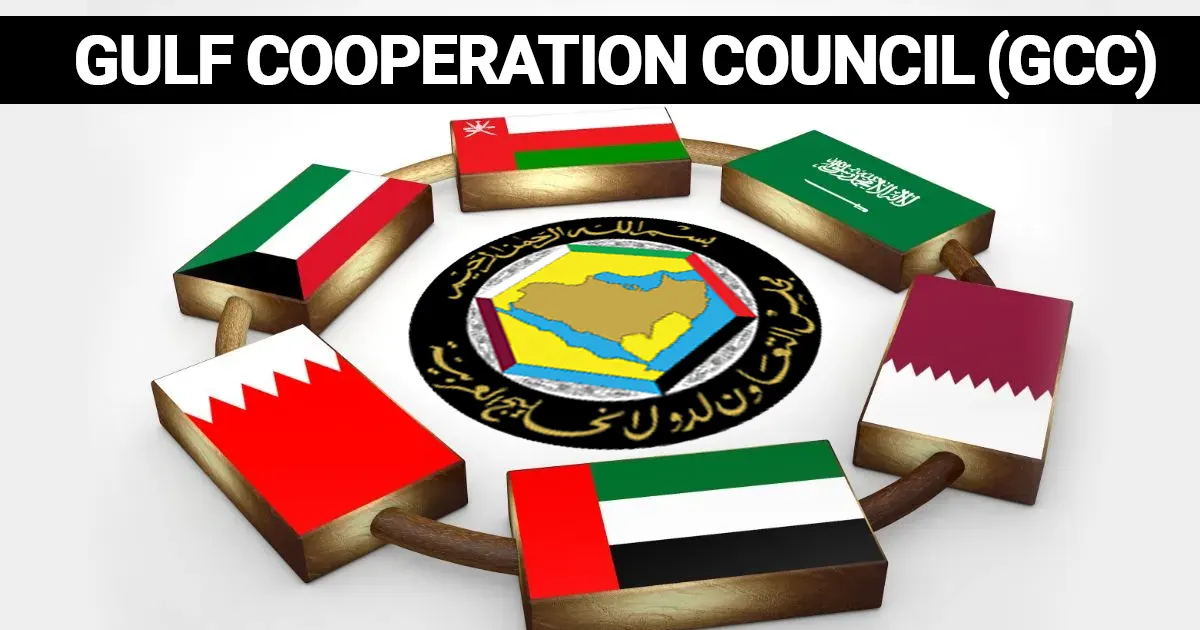
The UN Security Council, in its recent session, reaffirmed its steadfast commitment to the sovereignty, independence, and territorial integrity of the Gulf Cooperation Council (GCC) countries. This affirmation comes at a sensitive time marked by increasing tensions in the region, reflecting the crucial role that Gulf nations play in achieving regional stability.
During the session, a range of security issues affecting Gulf countries were discussed, with council members emphasizing the need to enhance cooperation among GCC member states to address common challenges. The importance of dialogue as a means to resolve disputes and achieve peace in the region was also underscored.
Details of the Session
The special session of the Security Council was convened at a time when the region is witnessing a rise in political and military tensions, particularly due to ongoing crises in some neighboring countries. Several member states expressed their concerns regarding the security situation in the Gulf, stressing the necessity of supporting the GCC countries in their efforts to protect their sovereignty and independence.
A series of reports highlighting the security threats faced by Gulf nations were reviewed, including terrorist threats and external interventions. The council emphasized the importance of strengthening the defensive capabilities of Gulf countries as part of their comprehensive security strategy.
Background & Context
The Gulf Cooperation Council was established in 1981 in response to the security and political challenges faced by the region at that time. Since its inception, the council has worked to enhance cooperation among member states across various fields, including security, defense, and economics.
Over the years, Gulf countries have experienced numerous crises, from the Gulf War in the 1990s to the current tensions. These events have underscored the need for an effective mechanism for security cooperation among member states, positioning the council as a pivotal player in maintaining regional stability.
Impact & Consequences
The Security Council's affirmation of its commitment to the sovereignty of Gulf countries is a significant step in strengthening their position against increasing challenges. This affirmation may enhance the ability of Gulf nations to confront security threats and reflects international support for their efforts to maintain security and stability.
This support is expected to foster greater cooperation among Gulf countries, which could contribute to improved security coordination and information sharing, essential for addressing common threats.
Regional Significance
The Gulf countries are among the most important players in the Arab region, playing a central role in economic and political issues. The stability of these nations translates to stability for the entire region, positively impacting security and development in neighboring countries.
Furthermore, enhancing security cooperation among Gulf states may pave the way for increased Arab collaboration in other areas, such as economics and culture, contributing to stronger relationships among Arab nations.