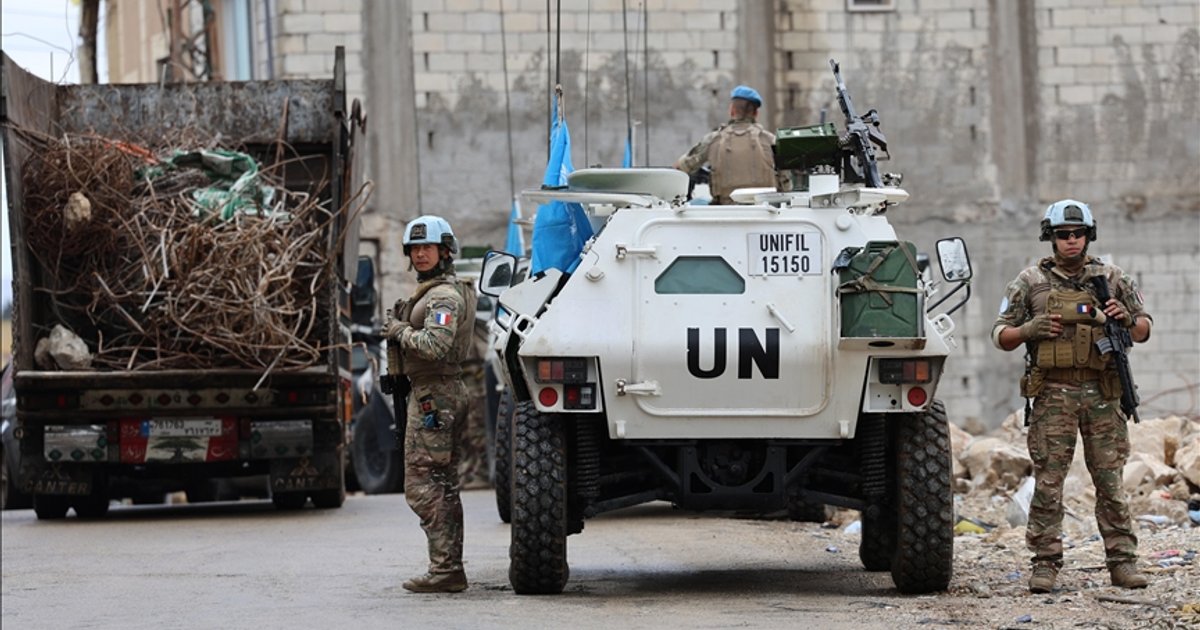
The UN Security Council condemned the Israeli attacks that targeted the United Nations Interim Force in Lebanon (UNIFIL), which resulted in the deaths of three peacekeepers and injuries to five others. These incidents occurred in southern Lebanon, an area experiencing increasing tensions between Israel and Hezbollah, raising international concerns about regional stability.
These attacks come at a sensitive time, as UNIFIL has been working to enhance security and stability in Lebanon since 1978, following the Israeli-Lebanese conflict. The UN Secretary-General emphasized that these attacks represent a blatant violation of international law and called for a comprehensive investigation to identify those responsible for these assaults.
Details of the Incident
According to reports, the attacks occurred during routine patrols by UNIFIL forces in southern Lebanon, where the troops were fired upon from Israeli positions. A spokesperson for UNIFIL noted that the attacks come amid escalating tensions in the region, and that the international forces are working to protect civilians and ensure security.
Local sources reported that these Israeli attacks are not the first of their kind, as the region has witnessed several previous assaults, raising fears of a larger escalation in the conflict. Reinforcements from UNIFIL have been sent to the area to bolster security and respond to any potential threats.
Background & Context
UNIFIL was established in Lebanon after the 1978 war, with the aim of monitoring the ceasefire between Lebanon and Israel. Since then, the region has seen numerous armed conflicts, including the 2006 war between Israel and Hezbollah. These conflicts have exacerbated the humanitarian situation in Lebanon, where the population suffers from the aftermath of war and poverty.
In recent years, tensions between Israel and Hezbollah have increased, particularly following repeated attacks from both sides. Additionally, the political situation in Lebanon, which is grappling with economic and political crises, complicates the security landscape in the region.
Impact & Consequences
Analyses suggest that Israeli attacks on UNIFIL forces could lead to an escalation of tensions in the region, potentially affecting peace and stability efforts in Lebanon. These events may also strengthen Hezbollah's position, which could use them to justify any military responses against Israel.
Moreover, the continued attacks on UNIFIL forces could undermine confidence in the UN's ability to maintain security in the region, which may negatively impact peace efforts in the Middle East.
Regional Significance
The recent events in Lebanon are part of a larger picture of tensions in the Arab region, where conflicts and disputes are on the rise. The ongoing Israeli attacks on UNIFIL forces could affect relations between Arab countries and Israel, intensifying divisions within the region.
Ultimately, hope remains pinned on the international community to pressure for peace and stability in Lebanon, avoiding further escalation that could lead to dire consequences for civilians in the area.