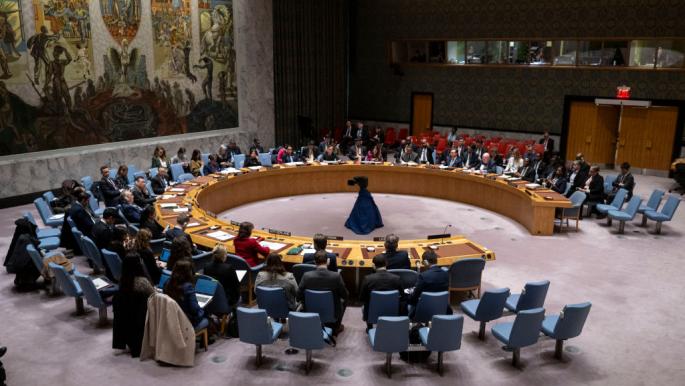
The UN Security Council is convening closed consultations this Friday morning to discuss the attacks targeting civilian infrastructure in Iran, at the request of Russia. These consultations come at a sensitive time as tensions in the region escalate, raising concerns about the implications of these attacks on regional and international security.
The attacks carried out by the United States and Israel on Iranian territory, which targeted civilian facilities, have sparked angry reactions from Tehran, which considers these actions a blatant violation of national sovereignty. In this context, Russia seeks to draw the international community's attention to these violations, reflecting the divergent positions among Security Council member states.
Details of the Incident
The recent attacks targeting Iran involved precise military operations aimed at vital facilities, resulting in significant destruction of civilian infrastructure. These attacks have led to heightened tensions in the region, with Tehran viewing these actions as a declaration of war. In this framework, Russia aims to emphasize the necessity of respecting the sovereignty of nations and refraining from interference in their internal affairs.
The Security Council consultations are also expected to address international reactions to these attacks, as opinions among member states vary on how to handle this crisis. The discussions will also cover the potential repercussions of these attacks on regional security, especially amid escalating tensions between Iran and the United States and its allies.
Background & Context
Historically, relations between Iran and the United States have been marked by ongoing tensions since the Islamic Revolution in 1979. These tensions have particularly escalated in recent years, following the US withdrawal from the Iranian nuclear deal and the imposition of severe economic sanctions on Tehran. In this context, the recent attacks are seen as part of a broader strategy aimed at undermining Iranian influence in the region.
Additionally, Israel, which views Iran as an existential threat, has conducted several military operations against Iranian targets in Syria and elsewhere. These operations reflect Tel Aviv's policy of countering what it perceives as threats from Iran and its allies in the region, further complicating the security situation.
Impact & Consequences
These attacks raise concerns about a larger military escalation in the region, as Iran may respond to these attacks with retaliatory operations. Moreover, military escalation could destabilize neighboring countries, threatening overall regional security. In this context, these events may impact global oil markets, as Iran is considered one of the key players in the energy market.
Furthermore, these developments may lead to a reassessment of major powers' strategies in the region, with some countries possibly seeking to strengthen their alliances or alter their policies towards Iran. These events could also affect relations between Russia and the West, as Moscow seeks to enhance its role as a mediator in regional conflicts.
Regional Significance
Arab countries neighboring Iran are on high alert, as any military escalation could affect their stability. In this context, some Arab nations may seek to bolster their security cooperation to counter potential threats. Additionally, these events may lead to increased divisions among Arab states regarding how to deal with Iran, complicating the political landscape in the region.
In conclusion, the Security Council consultations today reflect the importance of international dialogue in addressing regional crises. It remains to be seen how events will unfold in the coming days and whether they will lead to further escalation or diplomatic efforts for de-escalation.