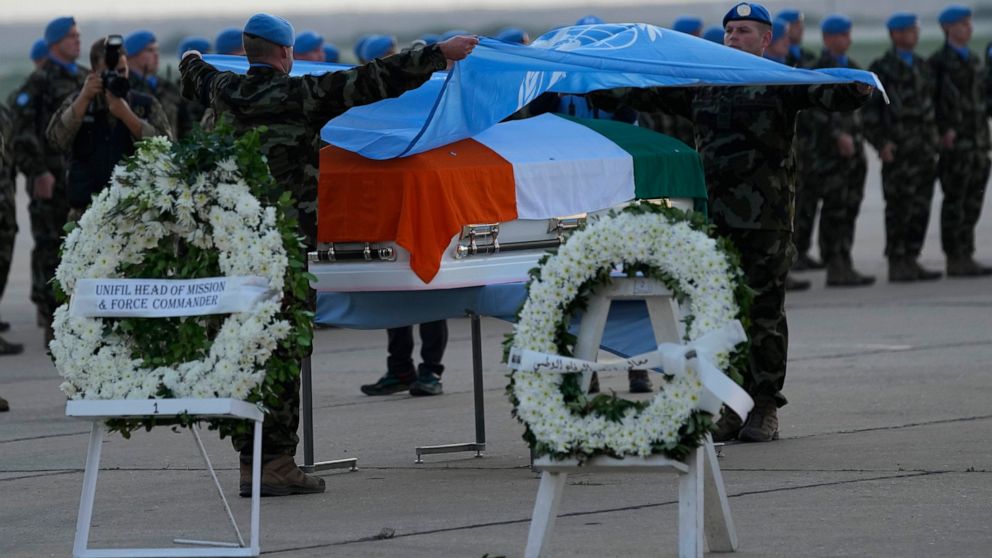
The UN Security Council held an emergency session under the agenda item "The Situation in the Middle East," called by France and Indonesia, to discuss the deteriorating conditions in Lebanon. This session comes in the wake of attacks targeting the United Nations Interim Force in Lebanon (UNIFIL), which led to the deaths of three members of the Indonesian contingent.
Jean-Pierre Lacroix, the Under-Secretary-General for Peace Operations, briefed the council, emphasizing the importance of protecting peacekeeping forces in Lebanon and pointing out the increasing challenges these forces face amid the tense security situation.
Details of the Incident
The recent attacks on UNIFIL forces in Lebanon represent a serious escalation in the security situation in the region. These attacks resulted in the deaths of three Indonesian peacekeepers, raising international concern about the safety and security of the personnel operating in the area. Many members of the Security Council called for urgent measures to protect these forces and ensure the continuation of their mission to maintain peace and stability in Lebanon.
Lacroix also addressed the importance of cooperation among council member states to ensure that such attacks do not recur, highlighting the urgent need to enhance international efforts to support stability in Lebanon.
Background & Context
The United Nations Interim Force in Lebanon (UNIFIL) was established in 1978 to maintain peace and security in the region following the Lebanese-Israeli conflict. Since then, these forces have faced significant challenges, including repeated attacks from armed groups. In recent years, tensions among various Lebanese factions have escalated, complicating UNIFIL's mission.
The current reality in Lebanon is characterized by fragility, as the country suffers from severe economic and political crises. These conditions make it difficult for peacekeeping forces to perform their duties effectively, raising questions about the future of stability in Lebanon.
Impact & Consequences
The killing of peacekeeping personnel could have serious repercussions for regional and international security. Attacks on UNIFIL may lead to heightened tensions between Lebanon and the countries contributing to the peacekeeping forces, which could negatively impact peace efforts in the region.
Moreover, these events may affect relations between Lebanon and the international community, as pressure may increase on the Lebanese government to enhance security and protect peacekeeping forces. Should the attacks persist, some countries may reconsider their participation in UNIFIL, which could affect the force's ability to carry out its mission.
Regional Significance
The situation in Lebanon has direct implications for neighboring countries, as any escalation in security conditions could lead to an influx of refugees or increased border tensions. Furthermore, Lebanon's stability is a crucial element for the overall stability of the region, as any security collapse could open the door to external interventions or escalate regional conflicts.
In conclusion, the emergency session of the Security Council reflects the growing international concern regarding the situation in Lebanon and underscores the importance of international cooperation to protect peacekeeping forces and ensure regional stability.