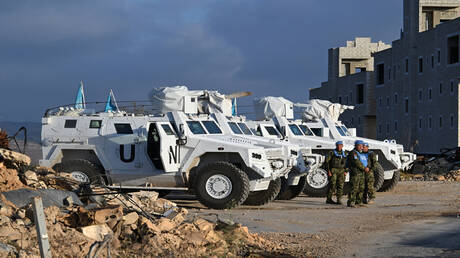
The UN Security Council held an emergency session on Tuesday to discuss the deteriorating conditions in Lebanon, following the targeting of the United Nations Interim Force in Lebanon, known as UNIFIL, which has resulted in the deaths of three of its personnel. These developments come at a time when Lebanon is witnessing a rise in tensions between Hezbollah and Israel, complicating the security situation in the region.
This session comes at a sensitive time, as fears of escalating violence in southern Lebanon, a historically sensitive area, are increasing. Several member states of the Security Council expressed their concerns about the current situation, calling for the protection of UNIFIL forces and the necessary support for them to carry out their missions.
Details of the Incident
During the session, accusations were exchanged between representatives of Israel and Lebanon, with Israel accusing Hezbollah of being responsible for the attacks on UNIFIL forces, while the Lebanese government responded by stating that Israel is the one violating Lebanese sovereignty and targeting civilians. Some diplomats indicated that these accusations could complicate peace and stability efforts in the region.
The importance of UNIFIL's role in maintaining security in southern Lebanon was also highlighted, as these forces monitor the borders and prevent any military escalation. The UN Secretary-General emphasized that UNIFIL needs greater support to ensure the safety of its personnel and enable them to perform their duties effectively.
Background & Context
UNIFIL was established in 1978 following the conflict between Lebanon and Israel, with the aim of maintaining peace and security in the region. Since then, these forces have faced numerous challenges, including repeated attacks from armed groups. In recent years, tensions have significantly escalated, especially following the recent conflict between Hezbollah and Israel, leading to increased risks for UNIFIL forces.
Historically, southern Lebanon has been the scene of numerous armed conflicts, suffering from the effects of civil wars and regional disputes. With the rise of military activities in the area, UNIFIL has faced greater challenges in executing its missions.
Impact & Consequences
This session serves as a warning to the international community about the necessity to act to protect UNIFIL forces and ensure stability in Lebanon. If attacks on UN forces continue, this could exacerbate the security situation, threatening peace in the entire region.
Moreover, the escalating tensions between Hezbollah and Israel could affect Lebanon's relations with other countries, potentially increasing Lebanon's isolation on the international stage. Any military escalation could also lead to serious humanitarian consequences, as the Lebanese people are already suffering from economic and social crises.
Regional Significance
The situation in Lebanon is part of the larger picture of security in the Arab region. The tensions between Hezbollah and Israel could impact stability in neighboring countries such as Syria and Palestine, complicating regional crises further. Additionally, any escalation could lead to a flow of refugees into neighboring countries, increasing the pressures on these nations that are already facing their own crises.
In conclusion, the situation in Lebanon remains under international scrutiny, requiring urgent international cooperation to ensure the protection of UNIFIL forces and achieve stability in the region. Continued tensions could lead to dire consequences for security and peace in the Middle East.