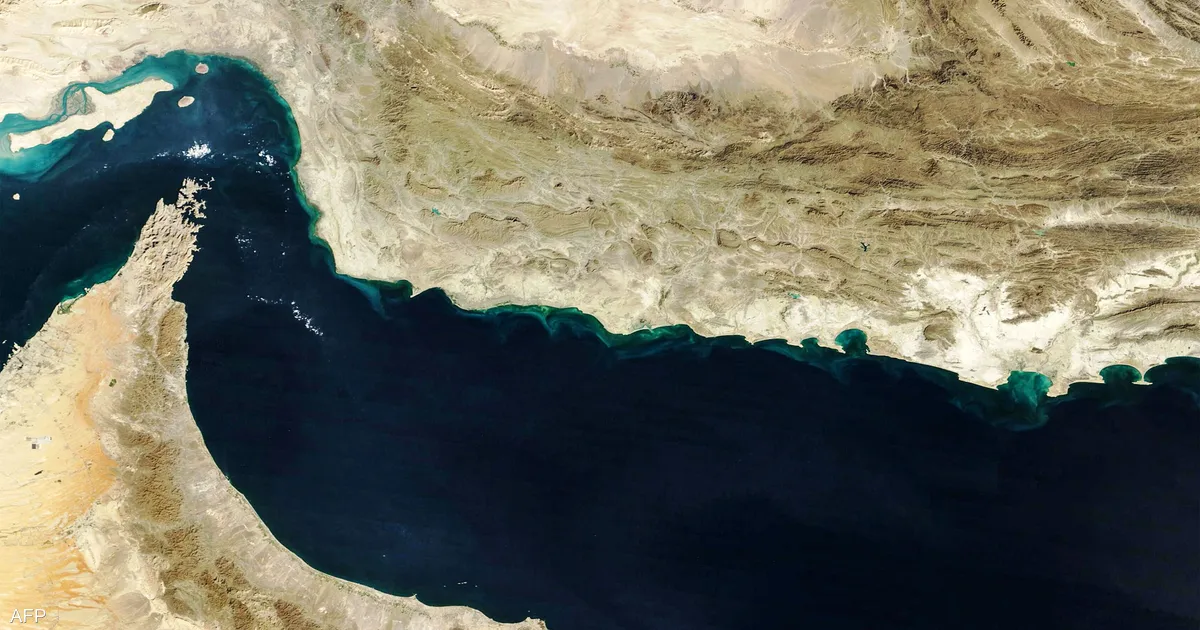
The UN Security Council failed to approve a resolution proposed by Bahrain aimed at opening the Strait of Hormuz during an emergency session convened to discuss the security situation in the region. This failure comes at a time when the area is experiencing increasing tensions, as the Strait of Hormuz is one of the world's most important waterways, through which approximately 20% of the world's oil passes.
The Bahraini proposal, submitted amid escalating tensions between Iran and the United States, aimed to enhance maritime security and ensure freedom of navigation in the strait. However, the council was unable to reach a consensus among its members, reflecting deep divisions among the member states.
Details of the Event
During the session, several interventions were made by member states, with some emphasizing the importance of maintaining freedom of navigation in the Strait of Hormuz, while others expressed concern over military escalation in the region. The proposal was put to a vote but did not receive enough support for approval.
This step is part of Bahrain's efforts to enhance its role in regional issues, especially amid the growing tensions between Iran and Western countries. However, the failure to pass this resolution may weaken Bahrain's position on the international stage.
Background & Context
The Strait of Hormuz is a vital transit point for oil and natural gas, and it periodically witnesses tensions among competing countries for influence in the region. In recent years, these tensions have intensified, particularly following the United States' withdrawal from the nuclear agreement with Iran and the re-imposition of sanctions.
There are also increasing concerns that any escalation in the region could have negative impacts on the global economy, as oil prices could be significantly affected in the event of any closure of the strait.
Impact & Consequences
The repercussions of the failure to approve Bahrain's resolution extend beyond the region, potentially affecting the stability of global oil markets. If tensions continue, we may witness a rise in oil prices, which would impact the global economy as a whole.
Moreover, this failure could bolster Iran's position in the region, as it would be seen as a diplomatic victory against international pressures. It may also lead to increased tensions between Gulf states and Iran, complicating peace efforts in the area.
Regional Significance
These developments are of great importance to Arab countries, as the stability of the region heavily relies on security in the Strait of Hormuz. Any escalation in tensions could affect trade and maritime transport, negatively impacting Arab economies.
In conclusion, Arab nations must work to enhance cooperation among themselves to protect their interests in the face of regional and international challenges. The failure to approve the Bahraini resolution highlights the need for new strategies to address the escalating crises in the region.