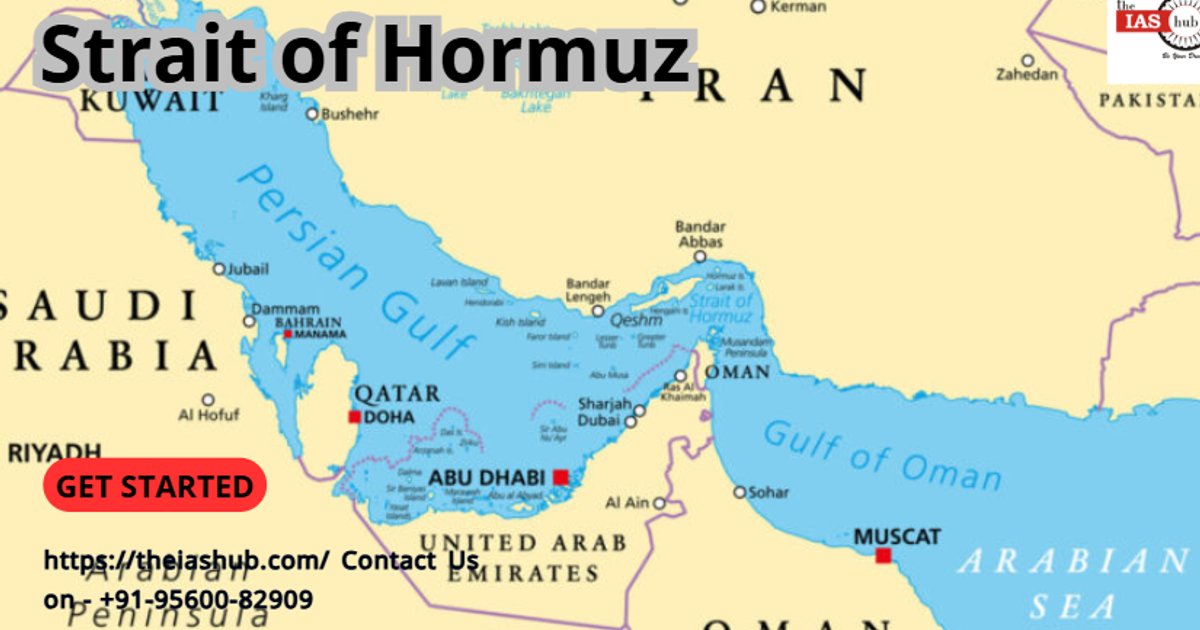
The UN Security Council is preparing to vote on a revised proposal aimed at opening the Strait of Hormuz, which is considered one of the most important maritime passages in the world. This vote comes at a sensitive time, as tensions in the region are escalating, raising concerns about maritime security.
The proposal, which has been significantly toned down, seeks to address the increasing crises in the area, where the Strait of Hormuz is a vital artery for transporting oil and natural gas. This proposal reflects the international community's concern regarding stability in this strategic region.
Details of the Event
The vote on the proposal is expected to take place during the next session of the Security Council, where this vote is seen as an important step in an effort to ease tensions among the involved nations. Observers note that the proposal may face opposition from some member states, which could impact its outcomes.
This move comes at a time when fears of escalating conflicts in the region are rising, as attacks on commercial vessels increase and repeated incidents are recorded in the waters surrounding the Strait of Hormuz. This strait is a vital transit point for approximately 20% of global oil supplies.
Background & Context
The Strait of Hormuz, which stretches between Iran and Oman, is considered one of the busiest maritime passages in the world. Historically, the strait has witnessed numerous conflicts and tensions, particularly between Iran and the United States. In recent years, tensions have escalated significantly, with Western nations accusing Iran of hostile actions against commercial vessels.
In 2019, the strait experienced a series of attacks on oil tankers, leading to an increased U.S. military presence in the region. These events have also resulted in growing calls from the international community to secure freedom of navigation in these vital waters.
Impact & Consequences
If the proposal is passed, it could contribute to easing tensions in the region, potentially enhancing the stability of global oil markets. Opening the Strait of Hormuz is seen as a necessary step to ensure the flow of oil supplies, which is vital for global economies.
However, some analysts point out that this proposal may not be sufficient to address the root issues leading to tensions in the region. Dialogue among the involved nations is considered essential for achieving lasting stability.
Regional Significance
The Arab countries neighboring the Strait of Hormuz, such as the United Arab Emirates and Oman, are among those most affected by the tensions in this area. The stability of navigation in the strait is crucial for Arab economies, as many countries rely on oil and gas exports.
If the proposal is passed, it could enhance the ability of Arab nations to secure their energy supplies, contributing to the stability of their local markets. Additionally, opening the strait may foster regional cooperation in maritime security.
In conclusion, the upcoming vote in the Security Council is an important step in the context of rising tensions in the region. It remains to be seen how the outcomes of this vote will affect security and stability in the Strait of Hormuz, and whether it will contribute to enhancing regional and international cooperation.