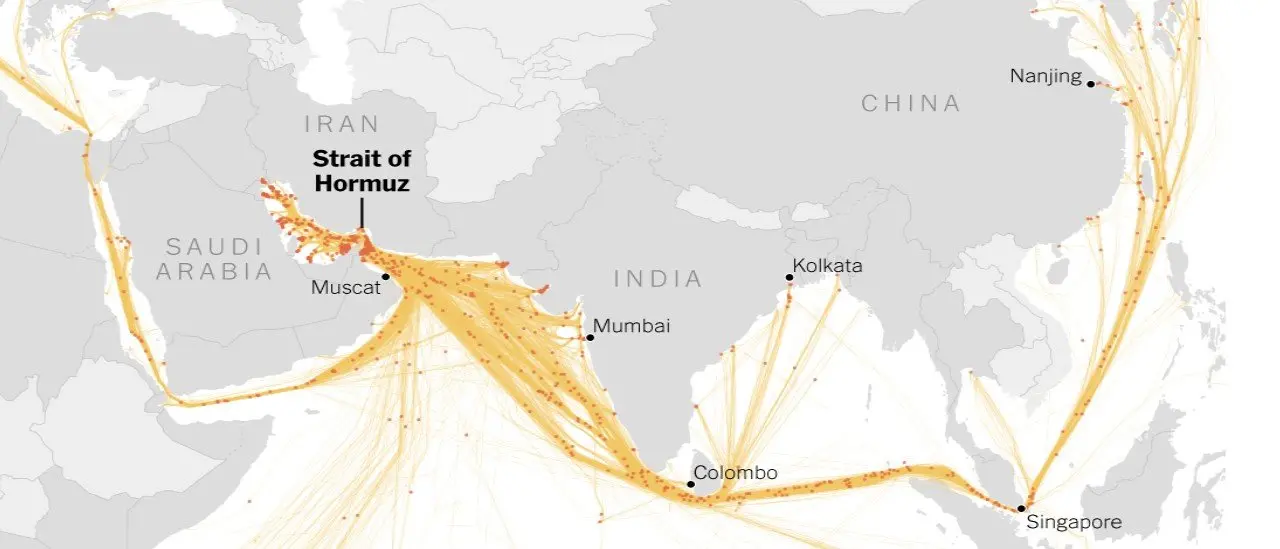
The UN Security Council is preparing to vote on a softened resolution aimed at opening the Strait of Hormuz, which is considered one of the most vital maritime passages in the world. Both Russia and China are playing a pivotal role in this decision, complicating the international political landscape amid rising tensions in the region.
This move comes at a time when the world is witnessing a surge in oil prices, making it essential to ensure the safety of navigation in the Strait of Hormuz, through which approximately 20% of global oil supplies pass. This situation has raised concerns among many countries that rely on these supplies to maintain the stability of their economies.
Details of the Event
Member states of the Security Council are seeking to reach a consensus on the resolution, which has been modified to be more acceptable to various parties. A vote is expected in the coming days, which could significantly impact international relations in the region.
The Strait of Hormuz is a strategic point, linking the Arabian Gulf with the Gulf of Oman. The area has seen increasing tensions in recent years, particularly between Iran and the United States, which underscores the importance of this decision.
Background & Context
Historically, the Strait of Hormuz has been the theater of numerous conflicts, with escalating tensions between major powers. In 2019, oil tankers were attacked in the region, raising fears about the safety of navigation. These events led to international calls to ensure freedom of navigation in the strait.
Major powers, including the United States, are seeking to bolster their military presence in the region to protect their interests. In contrast, Iran continues to threaten to close the strait if its interests are jeopardized, further complicating the situation.
Impact & Consequences
If the resolution is adopted, it could lead to an improvement in the security situation in the region, potentially contributing to the stabilization of oil prices. However, member states may face challenges in implementing the resolution, especially if the involved parties do not cooperate.
Russia and China are among the countries that could influence the outcome of the vote, as each seeks to enhance its influence in the region. Support from these two nations for the resolution could lead to a shift in the balance of power within the Security Council.
Regional Significance
This resolution holds significant importance for Arab countries, many of which rely on oil supplies from the Gulf. Additionally, the stability of navigation in the Strait of Hormuz directly affects the Arab economy, making it crucial to closely monitor the voting results.
In conclusion, the vote on this resolution represents an opportunity to enhance international cooperation and ensure regional stability. However, the question remains as to whether major powers can achieve consensus amid existing tensions.