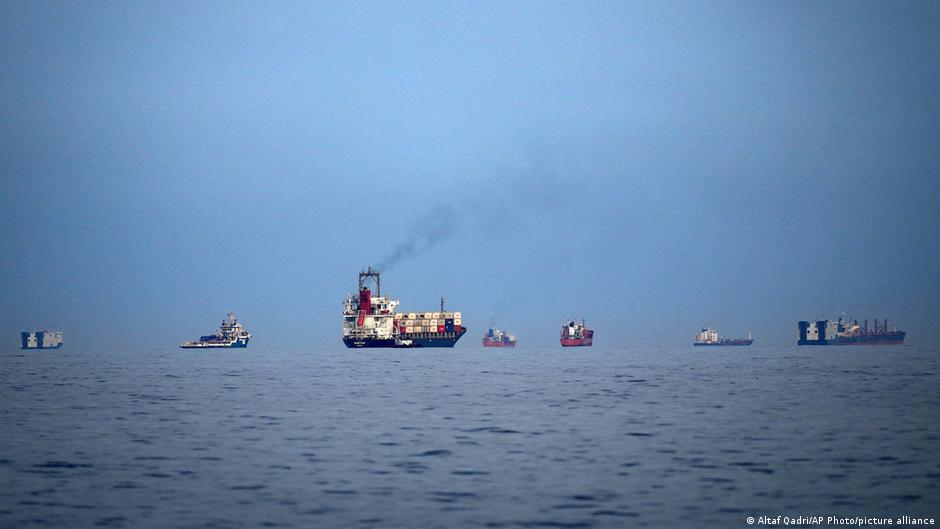
The UN Security Council is preparing to vote on a Bahraini resolution aimed at allowing countries to use defensive, rather than offensive, measures to secure the passage of ships through the Hormuz Strait. This vote comes at a critical time, as disruptions in oil flow are impacting the global economy, with approximately a quarter of the world's oil needs passing through this strait.
The resolution, which has garnered support from six Gulf countries in addition to Jordan, represents an important step in addressing the threats facing international navigation in this vital corridor. The final version of the resolution has undergone significant amendments compared to earlier drafts that included the potential use of military force.
Details of the Resolution
The final version of the resolution permits countries to use all necessary and appropriate defensive measures in the Hormuz Strait and adjacent waters to ensure the passage of ships for a period of no less than six months. This decision follows a virtual meeting led by the United Kingdom, where over 40 countries participated to discuss diplomatic and economic ways to pressure Iran to open the shipping route in Hormuz.
It is worth noting that the five permanent members of the Security Council, namely the United States, the United Kingdom, China, France, and Russia, can exercise their veto power against any resolution that conflicts with their interests. Russia and China have strongly opposed earlier drafts that allowed for the use of offensive force.
Background & Context
Historically, the Hormuz Strait is considered a vital strategic point, through which approximately 20% of the world's total oil passes. The region has witnessed increasing tensions in recent years, particularly with the escalation of the conflict between Iran and the United States and its allies. These tensions have led to economic sanctions on Iran, significantly impacting its economy and resulting in military escalation in the region.
Recently, the Iranian Foreign Minister indicated that attacks on civilian infrastructure would not force Iranians to surrender, referring to the military pressures faced by the country. Recent U.S. strikes have resulted in injuries to dozens of civilians, further heightening tensions in the region.
Impact & Consequences
If the resolution is adopted, it could enhance security in the Hormuz Strait, contributing to the stability of global oil markets. However, at the same time, this move may increase tensions between Iran and Western countries, especially if Tehran perceives these measures as a threat to its national security.
Moreover, the rise in oil prices, which have surpassed $111 per barrel, reflects growing concerns in the markets regarding the stability of supplies. Consequently, any escalation in the conflict could lead to further price increases, impacting the global economy.
Regional Significance
The Arab Gulf states are among the most affected by tensions in the Hormuz Strait, as their economies heavily rely on oil exports. Therefore, any escalation in the conflict could negatively impact the stability of the region and increase economic pressures.
In conclusion, the vote on the Bahraini resolution represents an important step in efforts to secure international navigation in the Hormuz Strait. However, the question remains regarding how Iran will respond to this move and whether it will lead to further escalation in the region.