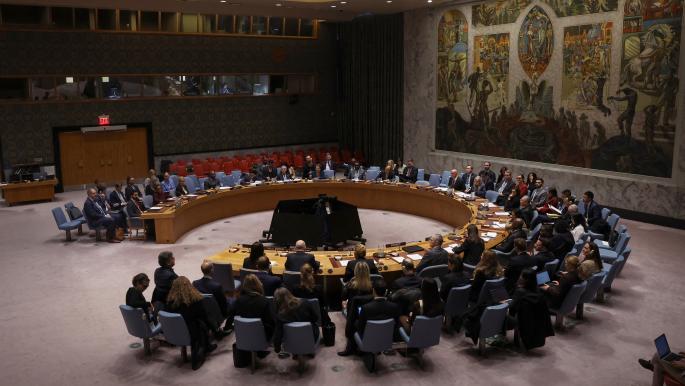
The UN Security Council is preparing to vote today, Tuesday, on a resolution aimed at enhancing security in the Strait of Hormuz, after a series of delays caused by disagreements among member states. This decision comes at a critical juncture, as the Strait of Hormuz is considered one of the most vital waterways in the world.
Concerns are growing over potential threats to navigation in this crucial strait, through which approximately 20% of the world's total oil passes. Recent incidents in the region have raised alarms within the international community, prompting Security Council member states to take urgent action.
Details of the Proposed Resolution
The resolution being put to vote includes new measures aimed at enhancing maritime security, such as increasing naval patrols and sharing information among the concerned nations. The original text of the proposal has been amended to better align with the perspectives of member states, reflecting a desire to reach a consensus.
Although the proposal is considered a softened version compared to the stricter measures previously suggested, it represents an important step towards addressing security issues in the region. The proposal is expected to face challenges during the vote, as some countries continue to express their reservations.
Background & Context
The Strait of Hormuz is a vital transit point for oil and natural gas, and it has been experiencing recurring tensions due to regional disputes. In recent years, tensions have escalated between Iran and Western nations, increasing concerns about the safety of navigation in the strait.
In 2019, the region witnessed a series of attacks on oil tankers, leading to international calls for enhanced maritime security. Some countries responded by bolstering their military presence in the area, further complicating the security situation.
Impact & Consequences
If the resolution is adopted, it could contribute to improving the security situation in the Strait of Hormuz, which may positively impact oil prices and global markets. However, any failure to reach a consensus could lead to an escalation of tensions, negatively affecting the global economy.
This move is also a test of the Security Council's ability to address complex security issues in the region. The challenges faced by member states in reaching a consensus reflect existing political divisions.
Regional Significance
The decision is crucial for Arab countries that rely on exporting oil through the strait. It underscores the importance of international cooperation in ensuring maritime security, especially given the geopolitical stakes involved.
In conclusion, the outcome of this vote will not only influence the security dynamics in the Strait of Hormuz but also have broader implications for global economic stability and international relations.