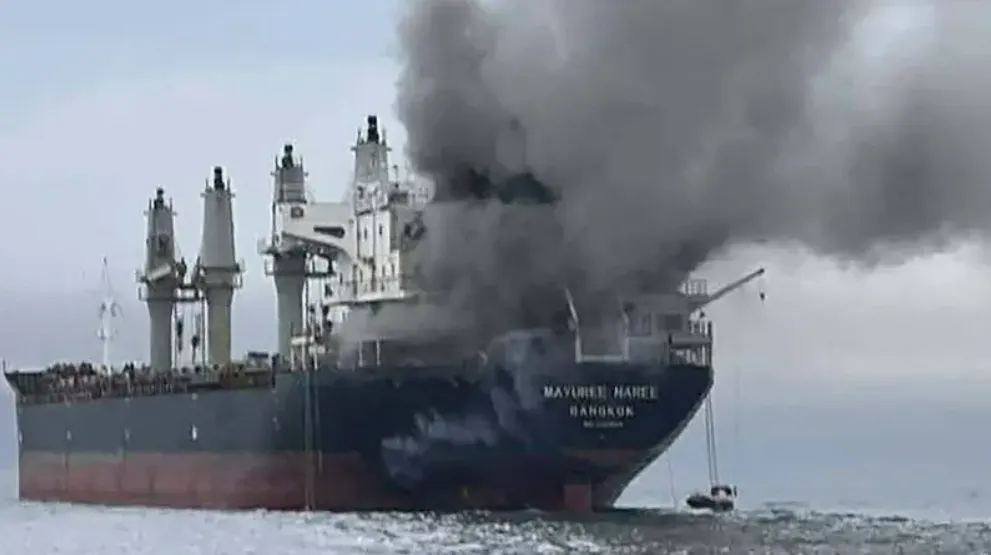
The UN Security Council is preparing to vote on Saturday on a draft resolution proposed by Bahrain, aimed at reopening the Hormuz Strait to maritime navigation. This decision comes at a sensitive time, as tensions in the region have escalated due to repeated Iranian attacks on commercial vessels.
The draft resolution includes a provision allowing UN member states to use military force if necessary to ensure freedom of navigation in the strait. This provision indicates that the Security Council permits member states, either individually or through multinational partnerships, to use necessary means to defend navigation in the Hormuz Strait and the surrounding waters.
Details of the Event
The vote on the draft resolution has been postponed several times, as the original text underwent modifications aimed at avoiding a veto from Russia or China. France is expected to vote in favor of the resolution, increasing its chances of passage; however, the resolution requires at least nine votes, with permanent member states abstaining from voting against it.
This move comes amid intense diplomatic efforts by France and Britain to form an international coalition to ensure safe passage through the strait, with both countries agreeing that any operation to escort vessels should be peaceful. French President Emmanuel Macron emphasized the need to avoid military escalation in the region, stating that military solutions are unrealistic.
Background & Context
The Hormuz Strait is a vital point for maritime navigation, through which approximately 20% of the world's oil passes. In recent years, the strait has witnessed an escalation in Iranian attacks on vessels, prompting Bahrain to present this draft to the Security Council. The Iranian maritime blockade poses a threat to international peace and security, necessitating swift international action.
Historically, the region has experienced similar tensions, especially following the Western intervention in Libya in 2011, which led to an increase in Russian influence. Russia is considered an ally of Iran, complicating the situation in the Security Council.
Impact & Consequences
If the resolution is passed, it could lead to increased tensions in the region, as Iran may respond to any military intervention. This situation reflects the significant gap between American and European strategies, with the United States seeking to use force, while European countries prefer peaceful solutions.
On the other hand, these developments could affect global oil markets, as any escalation in the region may lead to rising oil prices, impacting the global economy. Additionally, this resolution could pave the way for new military interventions in the region, further complicating security conditions.
Regional Significance
This resolution represents a real test for Arab countries, requiring them to unite to confront Iranian threats. Any escalation in the region could impact relations between Arab states and Iran, necessitating urgent diplomatic action.
In conclusion, the fate of the draft resolution hangs in the balance of the Security Council vote, highlighting the importance of international cooperation in ensuring security and stability in the region.