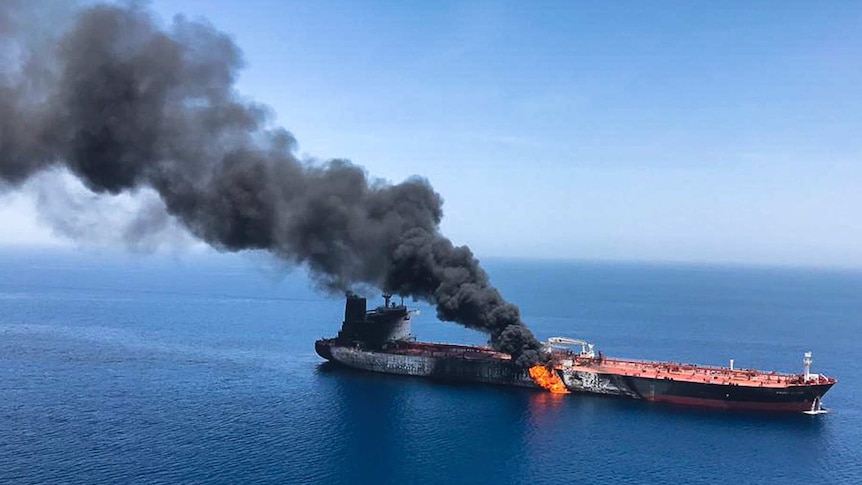
On Friday, the UN Security Council will vote on a resolution proposed by Bahrain to authorize 'defensive' force to protect shipping in the Strait of Hormuz from Iranian attacks. This step comes amid rising tensions in the region following strikes by the United States and Israel, which led to a month-long war in the Middle East.
The Strait of Hormuz is one of the most important waterways in the world, through which approximately 20% of the world's total oil passes. Iran's control over this vital corridor threatens fuel supplies and negatively impacts the global economy. This tension coincides with escalating military and political pressures in the region, making it essential to take measures to protect maritime navigation.
Details of the Resolution
The resolution that the Security Council will vote on aims to authorize member states to use force to protect commercial vessels in the Strait of Hormuz. This proposal was submitted by Bahrain, which is facing increasing Iranian threats. The resolution includes the possibility of deploying naval forces to protect commercial ships, which could escalate the situation in the region.
This move follows a series of attacks targeting commercial vessels in the strait, with the United States accusing Iran of being behind these attacks. These events have raised widespread international concern regarding the security of navigation in this vital area.
Background & Context
Historically, the Strait of Hormuz has witnessed numerous tensions, especially during periods of political crises in the region. Since the Iranian Revolution in 1979, Iran has become a key player in regional tensions, seeking to enhance its influence in the Arabian Gulf. US and Israeli policies in the region have exacerbated these tensions, making it necessary to seek mechanisms to protect navigation.
In recent years, attacks on commercial vessels have increased, prompting countries to reassess their security strategies. Reports have shown that Iran has used these attacks as a means to pressure Western nations, complicating the situation in the region.
Impact & Consequences
If the resolution is adopted, it could lead to increased military tensions in the region, as member states may intervene directly to protect their interests. Such intervention could provoke reactions from Iran, potentially escalating the conflict. Additionally, any escalation in the region could impact global oil prices, negatively affecting the world economy.
Furthermore, this step could lead to a divide in the international community, as some countries may oppose military intervention in the region. This division could weaken the international community's ability to address future crises.
Regional Significance
The Arab Gulf states are among the most affected by the tensions in the Strait of Hormuz, as their economies heavily rely on oil exports. Any escalation in the region could threaten the stability of these countries, jeopardizing regional security. Moreover, any military intervention could provoke popular reactions in Arab nations, further complicating the situation.
Ultimately, the question remains about how the international community will address these tensions and whether there are effective mechanisms to protect navigation in the Strait of Hormuz without escalating the conflict. The situation in the region requires extreme caution and international cooperation to ensure security and stability.