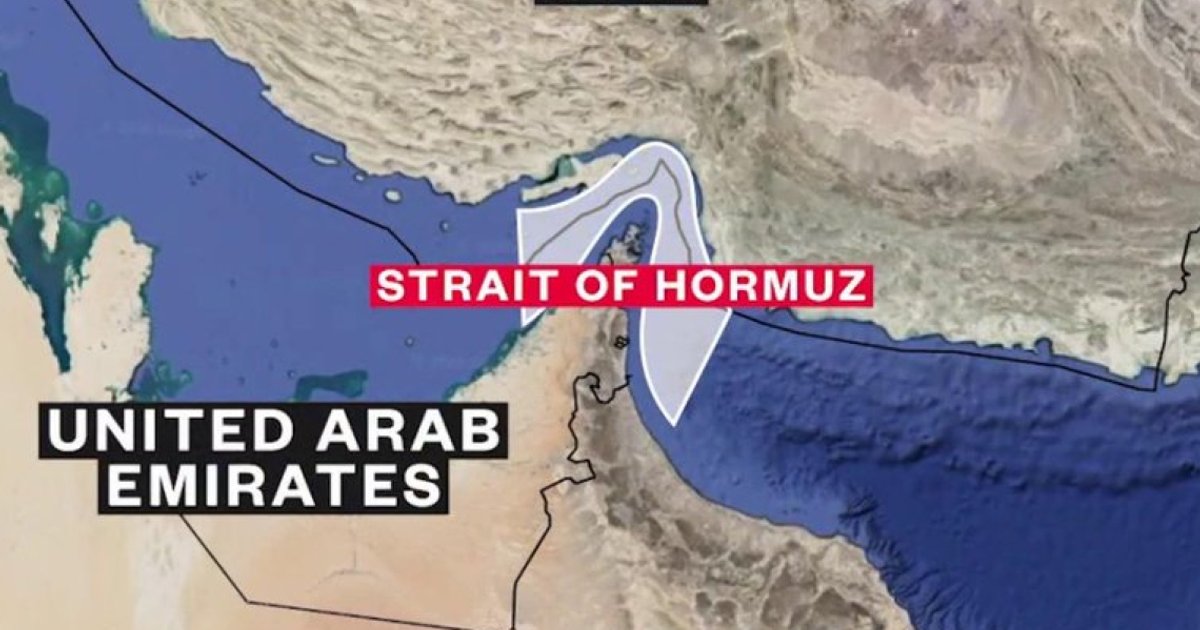
The UN Security Council voted in its latest session on a resolution aimed at securing navigation in the Strait of Hormuz, which is a vital artery for global trade. This vote occurs at a sensitive time, as concerns grow over escalating tensions in the region and their impact on maritime security.
The Strait of Hormuz is a key transit point for approximately 20% of the world's total oil supply, making it a strategic focal point for many nations. In recent years, the region has witnessed numerous maritime incidents that have affected navigation, prompting the international community to take serious steps to ensure the safety of vessels.
Details of the Resolution
In a session held yesterday, Security Council members unanimously voted on the resolution aimed at enhancing security in the Strait of Hormuz. The resolution calls on member states to cooperate in securing navigation and sharing information regarding potential threats. It also emphasizes the importance of respecting freedom of navigation in international waters.
This initiative is part of broader international efforts to address security challenges in the region, where tensions between Iran and the United States represent one of the most significant factors affecting maritime security. Many countries have expressed their willingness to participate in navigation security operations, reflecting the international community's commitment to addressing shared challenges.
Background & Context
Historically, the Strait of Hormuz has experienced numerous crises that have impacted navigation. In 1980, a war broke out between Iraq and Iran, disrupting shipping in the area. Since then, the region has become a stage for political and military tensions, making navigation security critically important.
In recent years, tensions have notably escalated, particularly following the United States' withdrawal from the nuclear agreement with Iran in 2018. This has led to increased maritime provocations, including attacks on oil tankers, raising concerns within the international community.
Impact & Consequences
This resolution is a significant step towards enhancing security in the Strait of Hormuz, as it is expected to help mitigate risks associated with navigation. It also reflects the international community's commitment to addressing the security challenges facing the region.
Improving security in the Strait of Hormuz is anticipated to enhance economic stability in the region, as many countries rely on oil movement through this passage. Additionally, it could foster greater trust among competing nations, potentially opening the door for broader diplomatic dialogue.
Regional Significance
Securing navigation in the Strait of Hormuz is a vital issue for Arab countries, many of which depend on oil exports through this route. Any escalation in tensions could negatively impact the Arab economy and increase transportation costs.
Moreover, enhancing security in the region could contribute to improving relations between Arab states and Iran, potentially leading to greater stability. Cooperation in securing navigation could serve as a starting point for broader dialogue on regional issues.
In conclusion, the vote on the resolution represents an important step towards enhancing security in the Strait of Hormuz and reflects the international community's commitment to addressing shared challenges. There is hope that this decision will contribute to achieving stability and peace in the region.