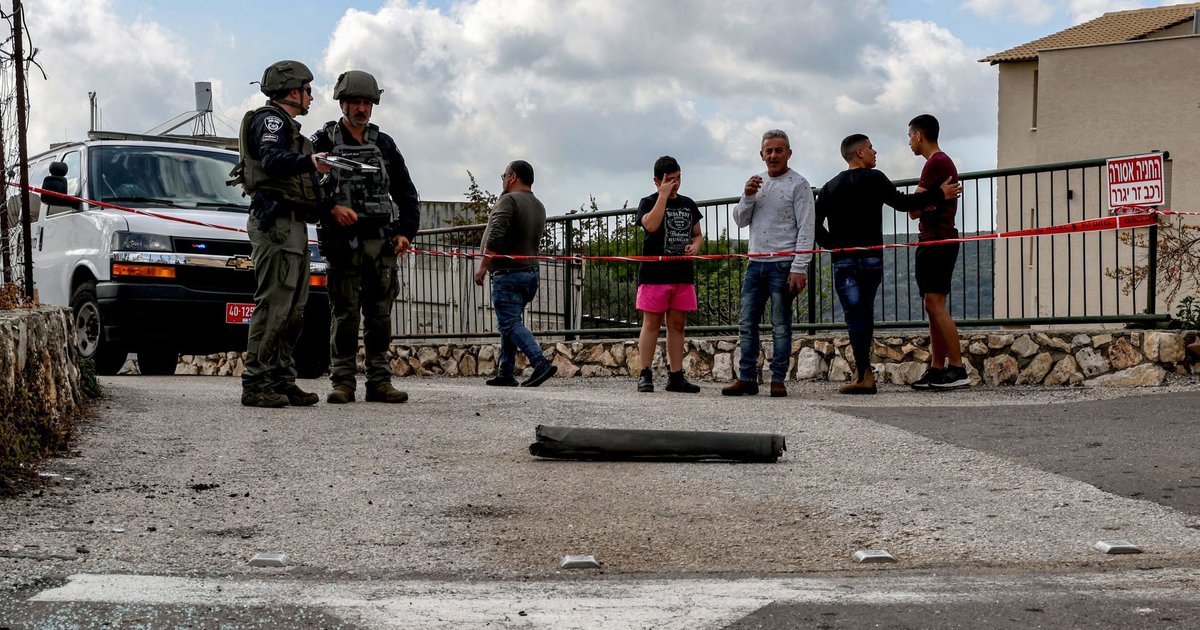
UN Secretary-General Antonio Guterres has called on Israel to cease all military operations in Lebanon, warning against a repeat of the Gaza model. These remarks come at a time when the region is witnessing escalating tensions, raising international concerns about the humanitarian situation in Lebanon.
Guterres, speaking at a press conference, noted that the continuation of military operations could exacerbate the humanitarian situation and increase civilian suffering. He emphasized the need to respect human rights and international law, stressing the importance of peaceful dialogue to resolve conflicts.
Details of the Event
Guterres's call comes at a sensitive time, as fears grow of a military escalation that could affect Lebanon amid ongoing tensions between Israel and Hezbollah. Recently, the Lebanese-Israeli border has witnessed exchanges of gunfire, heightening concerns about the stability of the region.
In this context, Guterres confirmed that the United Nations is closely monitoring the situation and is ready to provide humanitarian assistance to affected civilians. He also urged all parties to exercise restraint and avoid any escalation that could lead to further violence.
Background & Context
Historically, Lebanon has experienced multiple military conflicts, particularly with Israel, with the Lebanese Civil War (1975-1990) and the conflict with Israel in 2006 being significant events that impacted the country's stability. This background makes Guterres's current statements highly significant, reflecting international concern over the potential repetition of past scenarios.
Furthermore, the humanitarian situation in Lebanon is suffering from multiple crises, including the repercussions of the economic and political crisis that has plagued the country since 2019. These crises make civilians more vulnerable in the event of any new conflict.
Impact & Consequences
Guterres's call may influence Israeli policies towards Lebanon, potentially forcing the Israeli government to reassess its military strategies in the region. Additionally, these statements could bolster the position of those advocating for peaceful dialogue in Lebanon, which may contribute to easing tensions.
Moreover, the international community, particularly major powers, may intervene more actively to curb escalation, potentially leading to new diplomatic efforts aimed at achieving stability in the region.
Regional Significance
The situation in Lebanon is part of the larger picture of the Arab-Israeli conflict, where events in Lebanon affect relations between Arab states and Israel. Any escalation in Lebanon could negatively impact conditions in neighboring countries, such as Syria and Palestine.
Ultimately, Guterres's call serves as a reminder to the international community of the necessity to work towards peace and stability in the region, as violence only leads to further suffering for civilians and complicates opportunities for peaceful solutions.