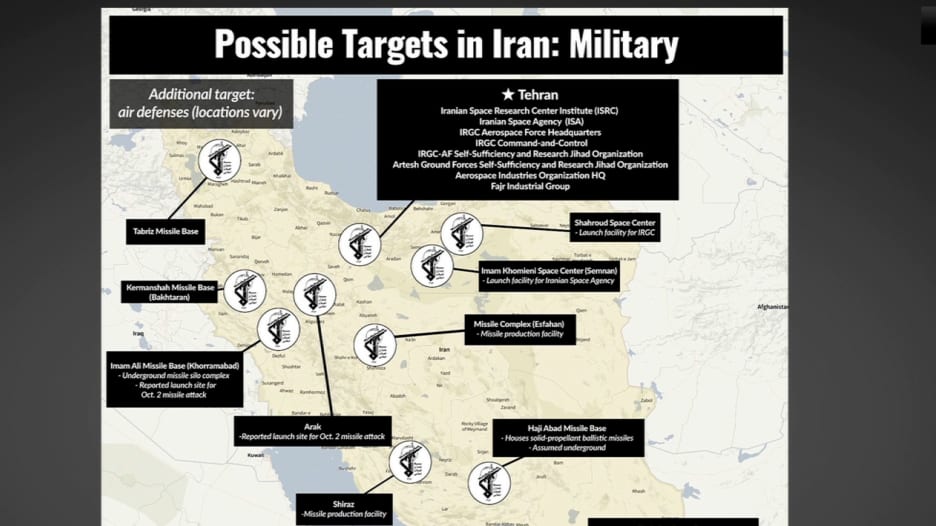
The United Nations has warned of the risk of environmental and humanitarian disasters if military strikes continue near Iranian and Israeli nuclear sites. These warnings come at a sensitive time when the world is witnessing increasing tensions in the Middle East, raising fears of escalating military conflicts.
In this context, global oil prices have significantly declined following President Donald Trump's announcement of negotiations with Iran, reflecting the impact of political situations on global markets. Oil is considered one of the most important economic resources in the region, and any deterioration in security conditions could lead to significant fluctuations in its prices.
Details of the Incident
Reports indicate that military strikes approaching nuclear sites could have dire consequences, not only regionally but also globally. The United Nations has confirmed that any attack on these sites could lead to radioactive leaks, posing a real threat to regional and international security.
Experts have also pointed out that military escalation in the region could trigger chain reactions from neighboring countries, potentially leading to greater conflict escalation. The nuclear sites in Iran and Israel are sensitive points, housing advanced technologies that could affect the balance of power in the region.
Background & Context
Historically, the Middle East has witnessed ongoing tensions between Iran and Israel, with each accusing the other of seeking to destabilize the region. For years, Iran has been pursuing the development of its nuclear program, raising concerns in the international community, particularly from Israel and the United States.
In recent years, tensions have escalated, with Israel conducting airstrikes on Iranian sites in Syria, heightening the conflict. In response, Iran continues to advance its nuclear program, increasing fears of a nuclear arms race in the region.
Impact & Consequences
Military strikes near nuclear sites could have severe consequences at both regional and international levels. In the event of a radioactive leak, this could affect the health of populations in neighboring countries, necessitating an urgent response from the international community.
Moreover, the decline in oil prices due to tensions could impact the global economy, as many countries rely on oil as a primary source of revenue. Any escalation in the conflict could lead to a resurgence in oil prices, negatively affecting the global economy.
Regional Significance
Arab countries neighboring Iran and Israel find themselves in a precarious position, as they may be directly affected by any military escalation. Fears of the conflict's repercussions could lead to increased tensions within these nations, potentially impacting their internal stability.
Additionally, the tense situation could exacerbate humanitarian crises in the region, where many Arab countries are already suffering from internal conflicts and economic crises. Thus, any escalation in the conflict could increase the suffering of Arab populations.
In conclusion, the situation in the Middle East remains complex, with political and economic interests intertwined. The current situation requires the international community to act swiftly to avoid potential disasters that could affect international security and peace.