The United Nations Development Programme (UNDP) has issued a stark warning in its latest assessment that the ongoing military escalation in the Middle East, now entering its fifth week, could lead to economic losses of up to $194 billion, posing an unprecedented threat to the development trajectory of the Arab region.
This assessment, the most grim since the outbreak of hostilities, indicates that the repercussions will not be confined to areas of direct conflict but will also impact the hard-won developmental gains, potentially erasing the total expected growth for the region in 2025.
Details of the Event
According to estimates, economic losses could range between $120 billion and $194 billion, which corresponds to a percentage of between 3.7% and 6.0% of the region's total GDP. It is also expected that the unemployment rate will rise by 4 percentage points, translating to a loss of 3.6 million jobs, a number that exceeds the total jobs created in 2025.
The report, titled "Military Escalation in the Middle East: Economic and Social Implications for the Arab Region," reveals the structural vulnerabilities in the region, where military escalation, even if short-term, can lead to profound social and economic consequences that may persist in the long term.
Background & Context
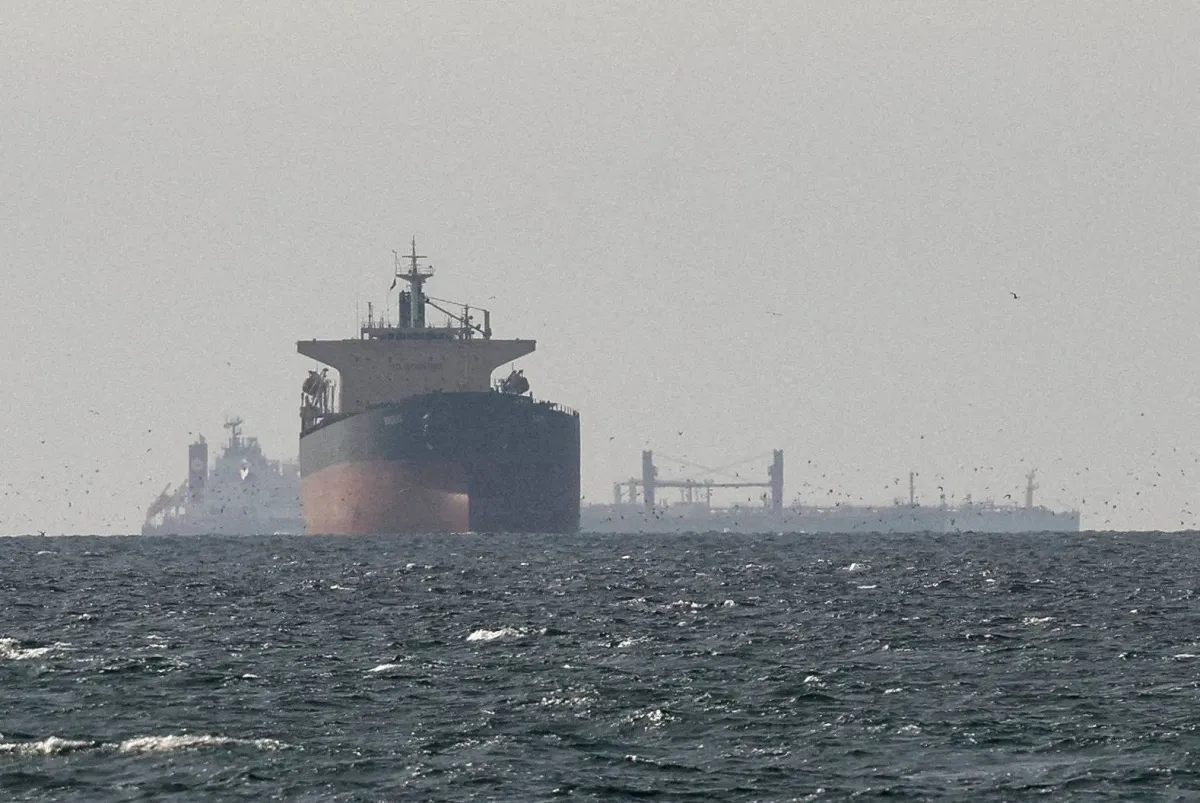
This assessment comes at a time when the region is grappling with multiple crises, with the Strait of Hormuz representing a vital choke point through which 20% of global oil and gas supplies pass. The report noted that the strait has effectively entered a state of "actual closure," leading to a structural shock in energy and commodity flows, and pushing oil prices to record levels.
Simulation models suggest that the continued closure of vital waterways could increase trade costs by as much as 100 times. This logistical paralysis threatens food security and pharmaceutical supply chains in countries reliant on imports through these routes.
Impact & Consequences
The economic repercussions are not uniform but vary significantly between the Gulf Cooperation Council (GCC) countries and the Mashreq region. Estimates indicate that GCC countries could lose between 5.2% and 8.5% of their GDP, potentially resulting in the loss of 3.1 million jobs.
In the Mashreq region, the impact transcends numbers to become a humanitarian disaster, with an additional 2.85 to 3.30 million people potentially pushed into poverty, representing over 75% of the total increase in poverty across the region.
Regional Significance
Human development levels in the region are expected to decline by between 0.2% and 0.4%, equivalent to a setback of nearly half a year of progress in this area. The ongoing crisis also puts monetary stability at risk, as central banks may be forced to raise interest rates to combat imported inflation.
In conclusion, the UN Assistant Secretary-General called for a reassessment of the strategic options for countries in the region, emphasizing the importance of enhancing regional cooperation to diversify economies and expand production bases.