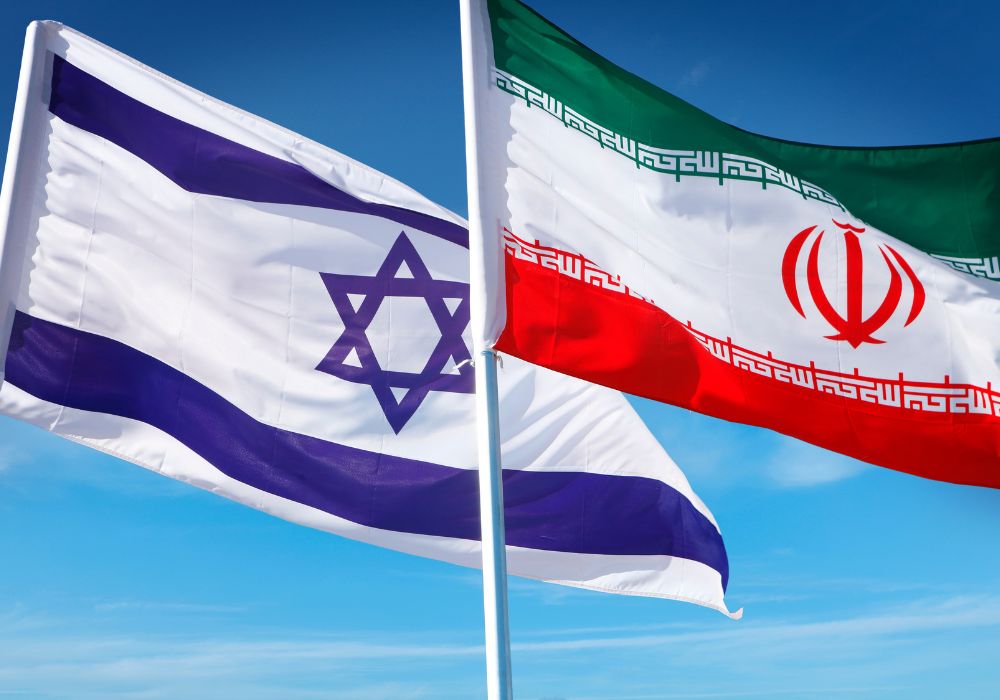
Jorge Moriera da Silva, an official at the UN Office for Project Services, has warned that the ongoing disruptions related to the conflict with Iran could lead to an increase in the number of hungry people worldwide by approximately 45 million. This statement was made during an interview with Al Jazeera, where he confirmed that the ban on fertilizer shipments through the Hormuz Strait is a major factor in worsening this crisis.
Last week, da Silva explained that global agriculture heavily relies on fertilizer flows through the Gulf, and any prolonged disruption in these flows could lead to a broader humanitarian crisis, especially in vulnerable regions of Asia and Africa, where food systems are already under significant pressure.
Details of the Situation
The Hormuz Strait is considered one of the most important waterways in the world, through which approximately 20% of the total global oil trade passes. As tensions escalate between Iran and Western nations, this region has become susceptible to bottlenecks affecting shipping movements, including fertilizer shipments that are essential for agriculture.
Concerns are mounting that the continuation of these disruptions could worsen food conditions in many countries, where numerous farmers depend on imported fertilizers to ensure their agricultural output. Da Silva pointed out that this crisis could particularly impact countries suffering from poverty, increasing the number of people facing hunger.
Background & Context
Historically, the Gulf region has experienced recurring political and military tensions, affecting both regional and international stability. Since 2019, tensions between Iran and the United States have escalated, leading to a series of events that have impacted trade movements in the region. These tensions have heightened fears of potential military conflicts that could disrupt shipping activities.
Fertilizers are essential components of modern agriculture, contributing to increased productivity and improved crop quality. With the global population on the rise, the demand for sustainable food production is increasing, making any disruption in fertilizer supplies a real threat to global food security.
Impact & Consequences
If disruptions in the Hormuz Strait continue, this could lead to rising food prices worldwide, affecting the most vulnerable populations. Estimates suggest that rising prices could push more families into poverty, increasing the number of people in need of humanitarian assistance.
Moreover, these conditions could exacerbate humanitarian crises in regions such as Yemen and Syria, where these countries are already suffering from ongoing conflicts and deteriorating economic conditions. Therefore, any increase in food prices could worsen the humanitarian situations in these areas.
Regional Significance
The implications of the situation in the Hormuz Strait extend beyond immediate food security concerns. The region's stability is crucial not only for the countries directly involved but also for global trade and economic stability. Disruptions here could have ripple effects across various sectors, impacting everything from energy prices to international relations.
In conclusion, the warnings from the UN highlight a potential food crisis that could affect millions of people worldwide, necessitating urgent action to mitigate the risks associated with ongoing disruptions in the Hormuz Strait.