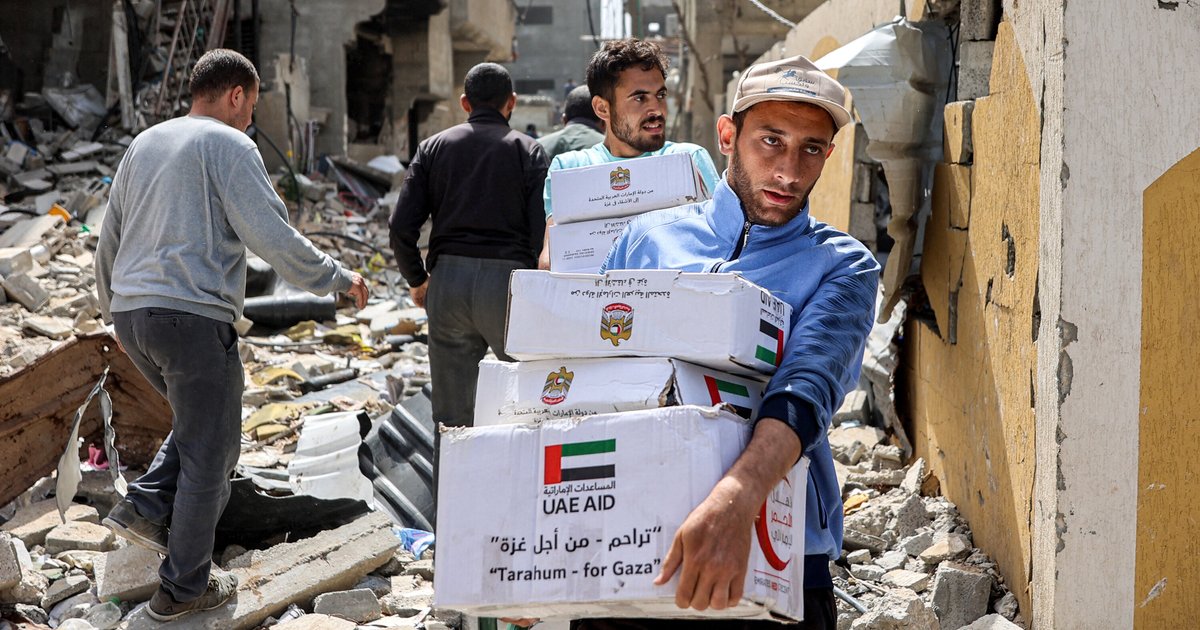
The spokesperson for the United Nations Office for the Coordination of Humanitarian Affairs, Olga Cherevko, has warned that increasing tensions in the Middle East have led to a decline in international focus on the humanitarian conditions in the Gaza Strip. She emphasized that the situation in the region remains extremely perilous, despite the recent ceasefire.
In an interview with Anadolu Agency, Cherevko explained that recent regional events, including ongoing conflicts in neighboring countries, have contributed to the marginalization of humanitarian issues in Gaza. She pointed out that these conditions require urgent attention from the international community, as the population suffers from a severe shortage of humanitarian aid.
Details of the Situation
These warnings come at a time when the Middle East is witnessing a rise in tensions, causing major powers to become preoccupied with other issues, negatively impacting relief efforts in Gaza. Reports indicate that many humanitarian organizations are facing difficulties in reaching those in need due to imposed restrictions.
The residents of Gaza are living under immense pressure, with many suffering from food insecurity and a lack of clean water. Studies have shown that over 80% of the population relies on humanitarian assistance to survive, exacerbating the humanitarian crisis.
Background & Context
Historically, the Gaza Strip has experienced numerous humanitarian crises due to recurring conflicts and the imposed blockade. The ongoing conflict between Palestinian factions and Israel has worsened conditions, making Gaza one of the most densely populated areas in the world, with extremely difficult living conditions.
Over the years, the United Nations and various humanitarian organizations have attempted to provide assistance, but political and economic tensions in the region often hinder these efforts. Reports have indicated that the situation in Gaza requires a coordinated and urgent international response.
Impact & Consequences
The recent warnings from the United Nations underscore the necessity of refocusing on the humanitarian conditions in Gaza, as ignoring this issue could lead to worsening crises. The continued deterioration of humanitarian conditions may contribute to increased tensions in the region, which could negatively affect regional security.
Furthermore, a lack of prompt response could lead to the spread of diseases and rising poverty rates, increasing the suffering of the population. The international community is urged to take immediate action to provide the necessary support and assistance to alleviate the suffering of Gaza's residents.
Regional Significance
The situation in Gaza serves as a bellwether for humanitarian crises in the region, as the deterioration of conditions in Gaza could impact the stability of neighboring countries. Instability in Gaza could lead to an influx of refugees and heightened tensions in surrounding nations, necessitating greater attention from Arab countries and the international community.
In conclusion, the situation in Gaza requires an urgent response from all concerned parties, as neglecting humanitarian conditions will only exacerbate crises and increase suffering. There must be a coordinated international effort to ensure the provision of necessary aid and improve the living conditions of the population.