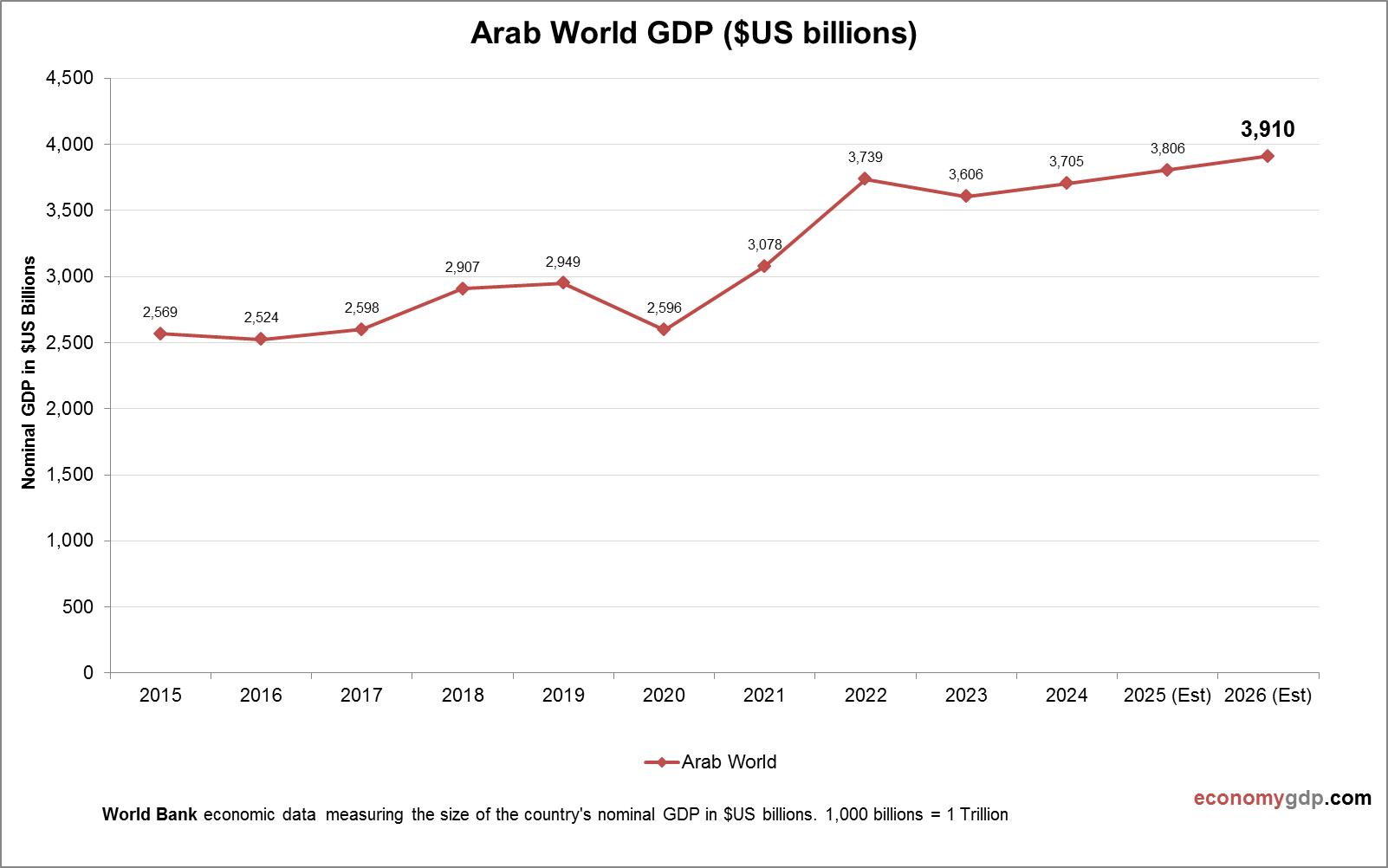
UN reports indicate that the GDP of Arab countries may contract by 6% this year, reflecting increasing negative impacts on their economies. This warning comes as the region faces significant economic challenges due to multiple crises.
Concerns are growing that political and economic crises could exacerbate conditions in many Arab nations, with forecasts suggesting that economic growth could be significantly affected by the repercussions of the COVID-19 pandemic, rising food and energy prices, as well as geopolitical crises.
Details of the Event
The United Nations Development Programme has issued a report highlighting the challenges facing Arab countries, noting that the anticipated contraction in GDP could worsen unemployment and poverty rates in the region. The report pointed out that the most affected countries are those suffering from internal conflicts or chronic economic crises.
The report also added that many Arab countries may need to reassess their economic and social policies to address these challenges. These new policies are expected to require substantial investments in infrastructure, education, and health to improve living conditions for the population.
Background & Context
Historically, Arab countries have experienced economic fluctuations due to political and social crises. The Arab revolutions over the past decade have led to radical changes in many regimes, impacting economic stability. Additionally, regional crises such as the conflict in Syria and Yemen, along with economic crises in Lebanon and Sudan, have contributed to worsening conditions.
It is noteworthy that the Arab region heavily relies on oil exports, making it vulnerable to fluctuations in global oil prices. With increasing economic pressures, it has become essential to diversify Arab economies and reduce dependence on natural resources.
Impact & Consequences
These contractions are expected to exacerbate social and economic conditions, with forecasts indicating rising poverty and unemployment rates. Moreover, economic contraction could lead to a decline in foreign investments, increasing pressure on governments to provide job opportunities and improve living standards.
Furthermore, economic contraction may affect the ability of Arab countries to meet the needs of their citizens, potentially leading to increased public protests and demands for reforms. Consequently, governments face significant challenges in how to address these crises.
Regional Significance
These warnings serve as a wake-up call for Arab countries, which must take urgent steps to address economic and social crises. This requires greater cooperation among Arab nations and coordination of economic policies to achieve stability and sustainable growth.
In conclusion, Arab countries must be prepared to face upcoming economic challenges by enhancing regional cooperation, adopting flexible economic policies, and investing in vital sectors that promote growth and create job opportunities.