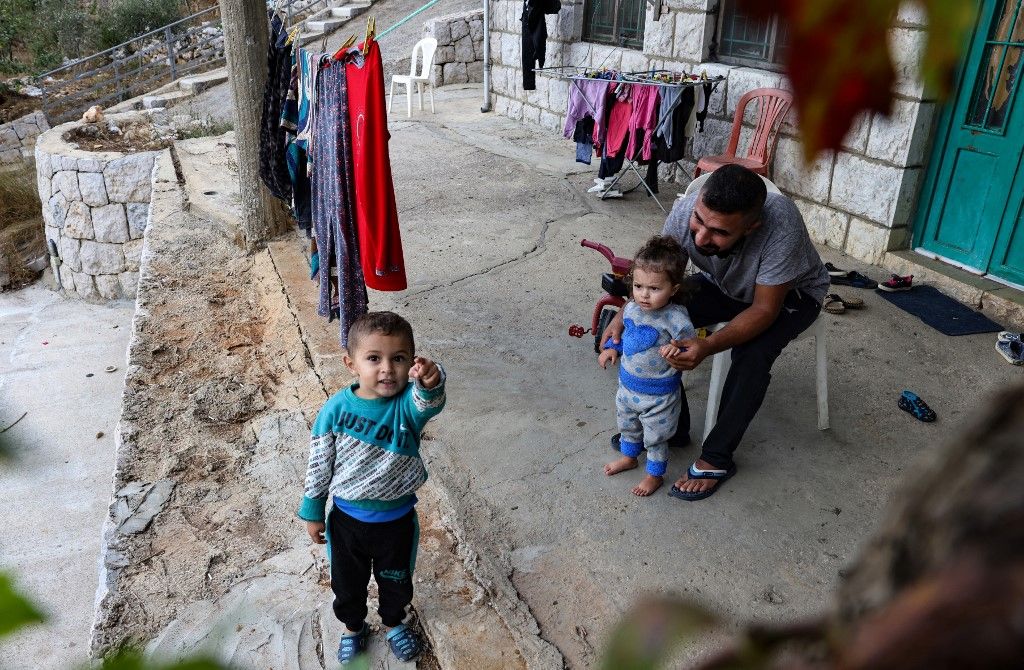
The United Nations has reported that the humanitarian situation in Lebanon has reached unprecedented levels, with thousands of children facing the risk of homelessness due to the multiple crises plaguing the country. Estimates indicate that over 300,000 children have been directly affected by conflicts and economic and social crises.
This warning comes at a time when Lebanon is suffering from successive crises, including a severe economic collapse and a critical shortage of basic services, which exacerbates the suffering of the most vulnerable groups, especially children. The United Nations has confirmed that these inhumane conditions threaten the future of children and expose them to significant risks related to health and education.
Details of the Situation
Reports indicate that many Lebanese families have lost their homes due to ongoing conflicts, forcing children to leave school and seek safe havens. Studies have shown that children living in harsh conditions face significant psychological and social challenges, affecting their growth and development.
The economic crises have also led to rising unemployment and poverty rates, leaving many families unable to meet their basic needs. Under these circumstances, children are forced to work in unsafe jobs, exposing them to risks of exploitation and abuse.
Background & Context
Lebanon has a long history of political and social conflicts, with the civil war in the 1970s and 1980s leading to the destruction of the country's infrastructure. Since then, the country has suffered from political and economic instability, negatively impacting the lives of citizens, especially children.
In recent years, the crises have worsened due to regional conditions, including the Syrian conflict, which has led to an influx of refugees into Lebanon, increasing pressure on limited resources. Additionally, rampant corruption within government institutions has contributed to the worsening humanitarian situation.
Impact & Consequences
The repercussions of these crises on children in Lebanon could be long-lasting. Homelessness and poverty can lead to an increase in crime and violence, affecting social stability. Moreover, the loss of education can hinder children's opportunities for a better future, perpetuating the cycle of poverty.
The United Nations has warned that failure to take urgent action could exacerbate the humanitarian situation, necessitating a response from the international community. There is an urgent need to provide humanitarian support and basic services to affected children.
Regional Significance
The situation in Lebanon mirrors the humanitarian crises faced by many Arab countries. Economic and political crises in the region affect the lives of millions, calling for a concerted effort from regional and international actors to address these issues.
What is happening in Lebanon can serve as a warning to other countries facing similar challenges, as instability in any one country can impact security and stability across the entire region.
In conclusion, the international community must act swiftly to provide the necessary support to children in Lebanon, as their future depends on an immediate response to these crises. Protecting children and ensuring their rights is a collective responsibility that requires the concerted efforts of all parties involved.