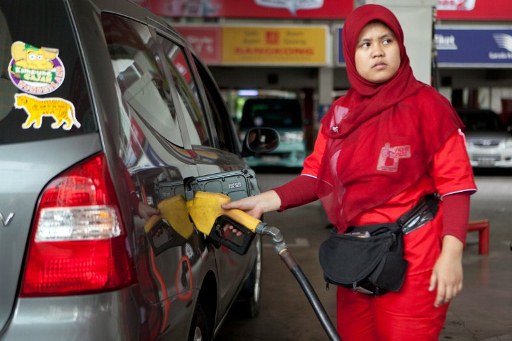
Indonesian police, through the Special Criminal Investigation Directorate, announced the discovery of illegal practices related to the use of subsidized gas in Central Java. A number of individuals were apprehended for mixing and manipulating gas distribution, negatively impacting consumers and leading to unjustified price increases.
This move comes as part of the Indonesian government's efforts to combat corruption and protect consumer rights, as authorities aim to ensure that subsidized gas reaches deserving groups without any manipulation or exploitation.
Details of the Incident
In a coordinated security operation, police managed to monitor a group of individuals who were mixing subsidized gas with other types of gas, resulting in a decline in product quality and increased costs. Large quantities of mixed gas were seized at several locations, indicating the existence of a wide network of illegal practices.
Officials noted that these operations are not new, having been recurring over a long period, necessitating strict measures against those involved. Several suspects have been arrested, and investigations are ongoing to determine the extent of this network.
Background & Context
Indonesia is one of the largest gas-producing countries in the world, with many citizens relying on subsidized gas for their daily lives. However, manipulation in the distribution of subsidized gas poses a significant challenge for the government, as officials strive to ensure that this vital resource reaches those most in need.
Historically, Indonesia has faced numerous crises related to gas and energy, with previous attempts to combat corruption in this sector. However, these efforts often encounter obstacles, making it essential to enhance oversight and accountability.
Impact & Consequences
These illegal practices can exacerbate the economic conditions for many families, especially amid the difficult economic circumstances the country is experiencing. The increase in subsidized gas prices directly affects living costs, placing additional pressure on citizens.
Moreover, this issue may lead to a loss of trust in the government and local authorities, necessitating immediate and effective actions to restore this trust. It also requires enhancing transparency and accountability at all stages of subsidized gas distribution.
Regional Significance
The issue of subsidized gas and manipulation in its distribution is also a concern for many Arab countries, as many of these nations rely on gas as a primary energy source. The Indonesian experience can serve as an important lesson for Arab countries on how to address these issues and strengthen oversight of natural resources.
In light of global economic challenges, it is crucial for Arab countries to learn from the experiences of others and work on improving their regulatory systems to ensure that resources reach deserving groups.
The revelation of these illegal practices in Indonesia highlights the importance of enhancing oversight and accountability in the energy sector, and this issue should be of concern to other countries facing similar challenges.