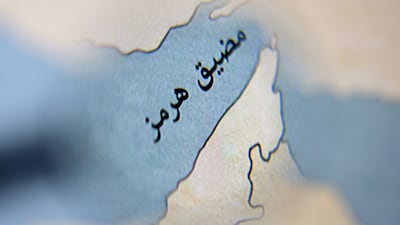
Recent studies reveal the existence of a legal gap extending 21 miles in international law, which could reshape the global order as we know it. This gap pertains to maritime boundaries, highlighting questions regarding the sovereign rights of nations over territorial waters.
Concerns are growing that this gap could be used as a pretext for some nations to expand their military and economic influence at the expense of others. As countries strive to bolster their sovereignty, this gap could lead to new conflicts over marine resources.
Details of the Issue
Maritime boundaries are sensitive issues in international relations, determining the rights of nations to exploit marine resources. The legal gap extending 21 miles indicates a lack of clear agreements governing this area, leaving room for interpretation and manipulation.
Opinions vary on how to address this gap. Some experts advocate for the establishment of a new international legal framework to regulate maritime boundaries, while others believe the current situation is sufficient but requires more coordination among nations.
Background & Context
Historically, maritime boundaries have been a subject of dispute among nations, each seeking to protect its interests. In recent years, tensions have escalated in areas like the South China Sea, where multiple countries compete for control over rich resources.
The importance of this issue is increasing in light of climate change, which affects sea levels and resource distribution. Countries capable of exploiting these resources may find themselves in a stronger position, intensifying international competition.
Impact & Consequences
This legal gap could escalate disputes between nations, as some may take unilateral actions to exploit resources. Such actions could lead to military tensions, particularly in contested areas.
Moreover, this gap could impact international trade, as any escalation in maritime disputes may affect shipping routes and global commerce. Nations reliant on maritime trade could find themselves in a precarious position if this gap is not addressed.
Regional Significance
For Arab nations, this legal gap could signify new challenges. Countries with coastlines, such as Egypt, Saudi Arabia, and the UAE, may face difficulties in protecting their maritime interests.
Additionally, this gap could affect food security in the region, as many Arab nations depend on fishing as a primary food source. It is crucial for Arab countries to collaborate in developing effective strategies to address these challenges.
In light of this legal gap, it becomes essential for nations to adopt cooperative strategies to ensure their maritime rights. There must be a comprehensive international dialogue to establish a legal framework that protects the interests of all nations and promotes stability in the global order.