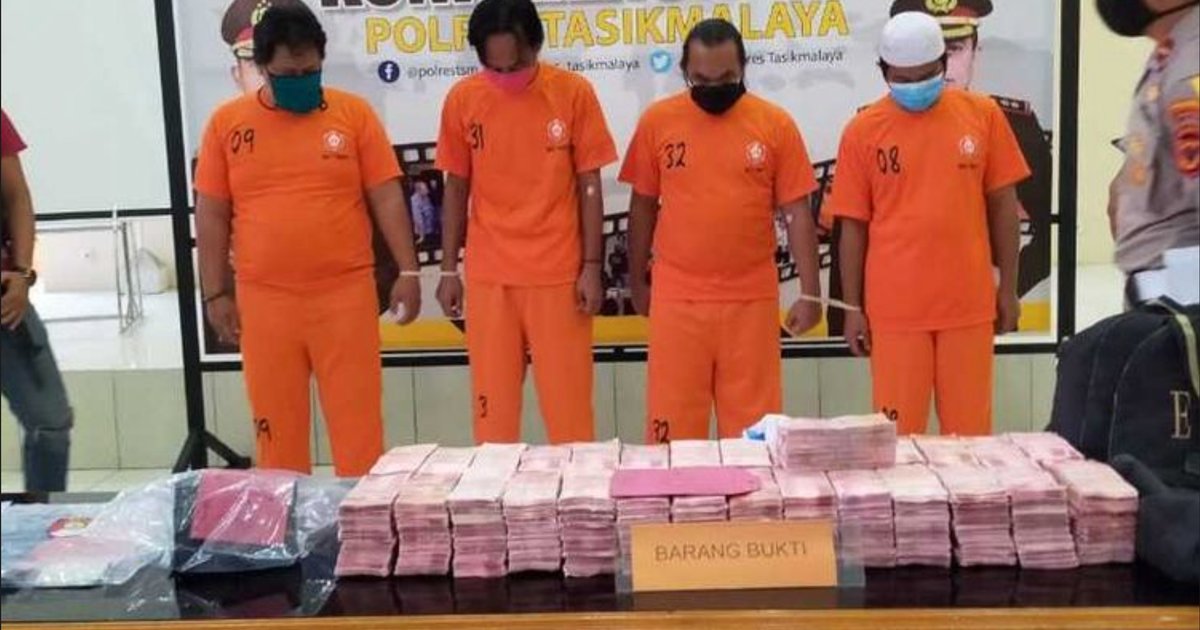
In a significant step to combat counterfeiting, Bank Indonesia (BI) announced the discovery of counterfeit currency in the city of Bogor, West Java, during a press conference held in the capital, Jakarta. The bank confirmed that the counterfeit notes seized by the Economic Crimes Unit of the Indonesian National Police are characterized by their low quality and ease of identification.
Budi Sudariono, the Director of the Currency Management Department at Bank Indonesia, explained that preliminary examinations of the samples revealed that these counterfeit notes were produced using standard printing techniques, which makes them lack essential security features such as security threads, watermarks, and hidden codes. He noted that these notes can be easily identified through visual methods such as touch and sight.
Details of the Discovery
The counterfeit currency was revealed on Monday, March 30, when police conducted inspections in Bogor after receiving information about the circulation of these notes. Investigations showed that the counterfeit currency closely resembles the original notes but lacks the security features that make them difficult to forge.
Bank Indonesia expressed its full readiness to cooperate with the police in conducting further research on all evidence related to this case. The bank also urged citizens to familiarize themselves with the characteristics of the original currency and the necessity of verifying its authenticity using known visual methods.
Background & Context
Historically, Indonesia has witnessed numerous cases of currency counterfeiting, prompting authorities to take stringent measures to combat this phenomenon. In recent years, the government and the central bank have intensified efforts to improve the quality of the national currency, the rupiah, by introducing new security features that make counterfeiting more challenging.
This issue is part of broader efforts to combat economic crime in Indonesia, as the government seeks to enhance trust in the national financial system. These efforts align with international standards in combating currency counterfeiting.
Impact & Consequences
This incident highlights the urgent need to raise public awareness about how to identify counterfeit currency. With the increasing use of technology in counterfeiting operations, it becomes essential for citizens to be informed about how to protect themselves from these illegal activities.
Moreover, this issue could impact the local economy, as an increase in the circulation of counterfeit currency may lead to a loss of confidence in the national currency, which could negatively affect financial stability in the country.
Regional Significance
The issue of currency counterfeiting is also a concern for many Arab countries, as some face similar challenges in combating forgery. It is important for Arab nations to exchange experiences and techniques to address this phenomenon, especially in light of the economic challenges they face.
In conclusion, governments and central banks in the Arab region should enhance their efforts to combat currency counterfeiting by improving the quality of currency and educating citizens on how to recognize authentic notes.