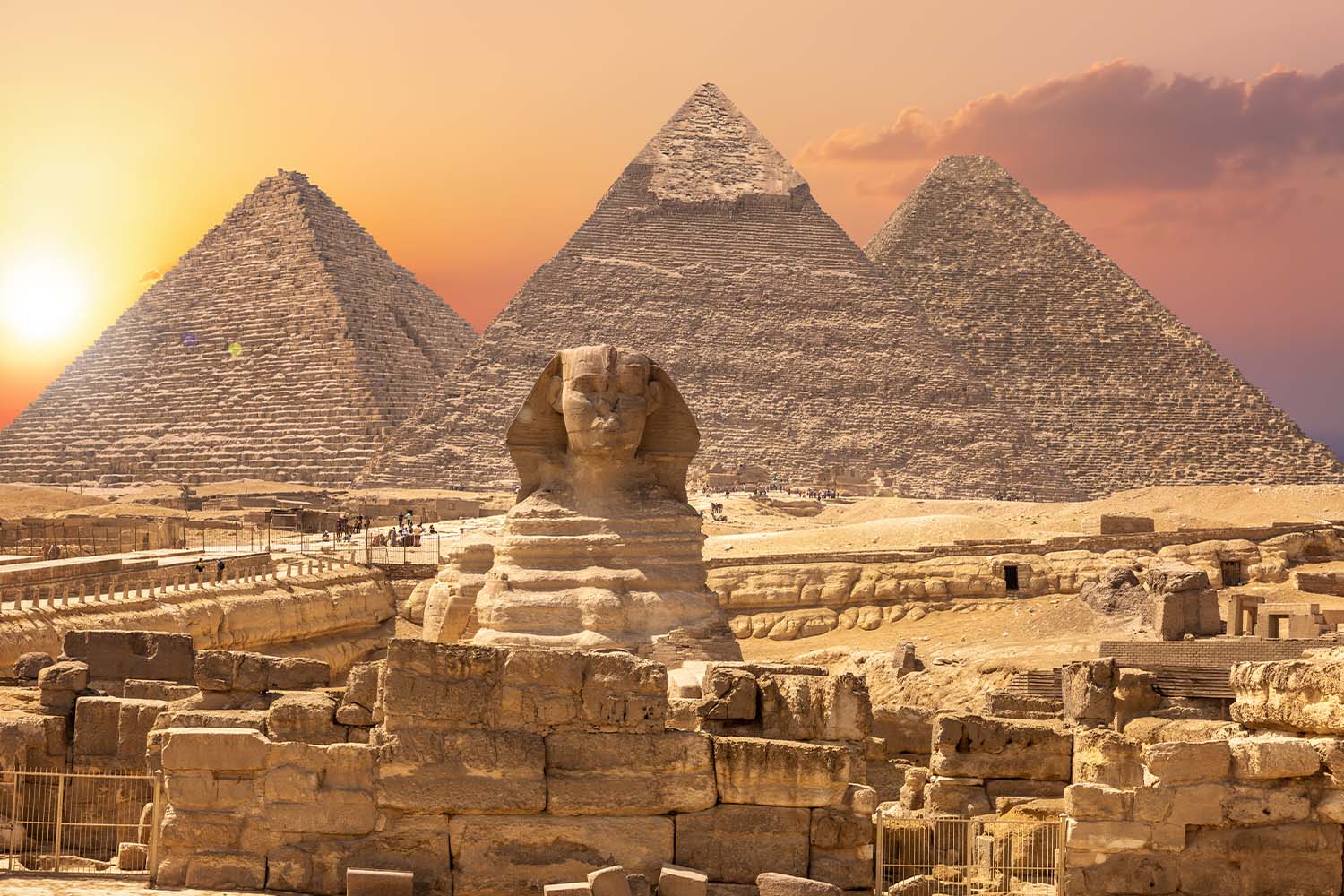
The mummy of Seti I is one of the most prominent mummies discovered in ancient Egypt, symbolizing the artistry and embalming techniques perfected by the pharaohs. Despite the passage of thousands of years, the features of this mummy retain their beauty, sparking curiosity among scientists and researchers regarding the secrets of embalming and the techniques used during that period.
The mummy of Seti I, who ruled Egypt during the Nineteenth Dynasty, dates back to around 1290 BC. It was discovered in 1881 in the tomb of Queen Hatshepsut in the Valley of the Kings, surrounded by many other mummies belonging to ancient Egyptian kings and princes.
Details of the Recent Studies
Recent studies on the mummy of Seti I utilized X-ray and magnetic resonance imaging (MRI) techniques, which helped to achieve a better understanding of the mummy's condition and the embalming methods employed. The results showed that the mummy still retains the features of his face, reflecting the pharaohs' mastery in the art of embalming.
The studies also revealed that the mummy of Seti I was surrounded by numerous funerary items, such as canopic jars used to preserve internal organs, in addition to small statues representing the gods worshipped at that time. These discoveries reflect the religious and cultural beliefs that prevailed in ancient Egypt.
Historical Context
Historically, Seti I is considered one of the most significant kings in ancient Egyptian history, having expanded the kingdom's borders and achieved numerous military victories. He was also known for rebuilding temples and advancing architectural art, contributing to the flourishing of Egyptian civilization.
The mummy of Seti I is part of Egypt's cultural heritage, attracting the interest of tourists and researchers from around the world. The archaeological discoveries related to this mummy have enhanced cultural tourism in Egypt, highlighting the importance of preserving archaeological heritage.
Impact and Consequences
Modern studies on the mummy of Seti I represent an important step in understanding ancient Egyptian history, shedding light on the embalming techniques and arts that were prevalent during that time. Furthermore, these discoveries open the door for more research and studies that may uncover new secrets about pharaonic civilization.
Moreover, the growing interest in the mummy of Seti I reflects the importance of preserving cultural heritage and encourages further investments in the field of archaeological tourism, benefiting the Egyptian economy.
Significance to the Arab Region
The mummy of Seti I represents a part of the cultural identity of the Arab world, reflecting a rich history and a developed civilization. Preserving this heritage enhances the region's status as a cultural tourism destination and showcases the cultural diversity it possesses.
In conclusion, the mummy of Seti I remains a symbol of ancient Egyptian art and architecture, continuing to inspire new generations of researchers and artists. Studying this mummy not only contributes to understanding history but also enhances pride in Arab cultural heritage.