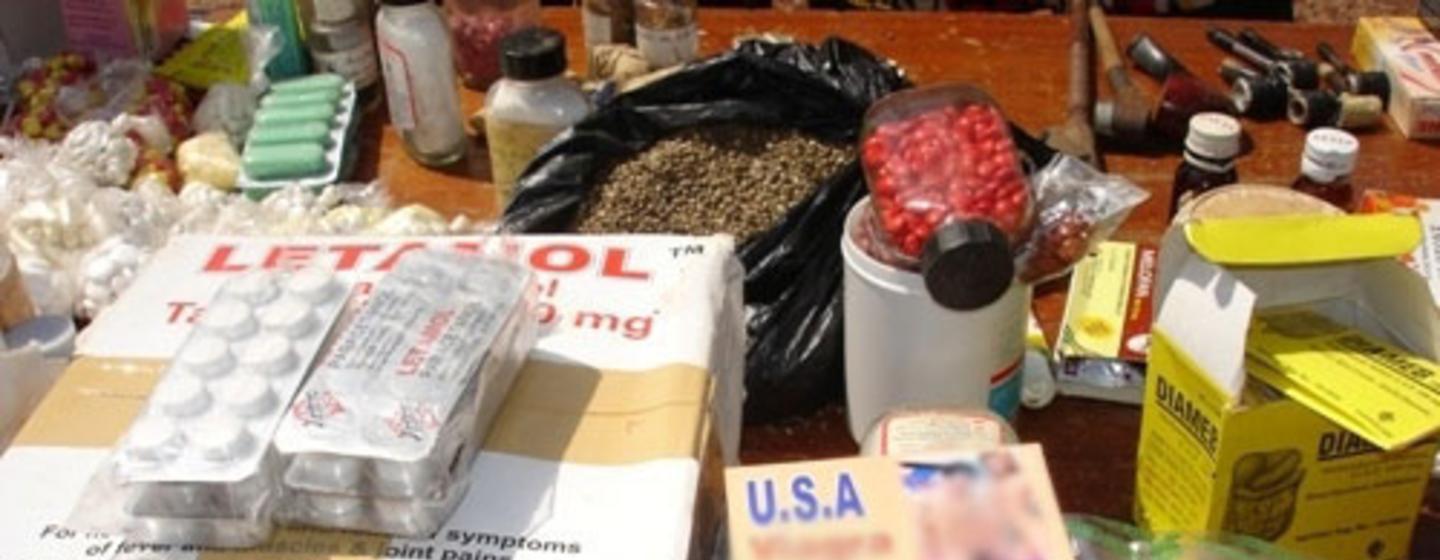
International security operations led by the International Criminal Police Organization (Interpol) have uncovered the alarming scale of the fake medicine trade in Africa. The operation involved the participation of 90 countries and territories and resulted in the seizure of millions of doses of counterfeit medicines, highlighting how criminal networks exploit gaps in health monitoring systems.
The operation, dubbed "Operation Pangea 18," took place between March 10 and 23 and led to the confiscation of 6.42 million doses of unlicensed medicines, valued at approximately $15.5 million. Additionally, 269 individuals were arrested, and 66 criminal groups involved in the illegal trade of pharmaceutical products were dismantled.
Details of the Operation
The organization reported that law enforcement agencies in participating countries opened 392 investigations and executed 158 search warrants. Furthermore, nearly 5,700 websites and social media pages used to market illegal medicines were shut down.
This current iteration of the operation included 12 African countries, and the seizures revealed a different pattern from what has been observed in other parts of the world, primarily focusing on essential medicines such as pain relievers, antibiotics, and malaria treatments.
Background & Context
Fake medicines are an increasing threat to public health in African nations, as criminal groups exploit the population's need for treatment amidst weak healthcare systems. These medicines are often of poor quality or counterfeit, putting patients' lives at risk.
In specific cases, authorities in Burkina Faso seized 384,000 capsules of antibiotics, while authorities in Côte d'Ivoire confiscated a ton of counterfeit "Ibuprofen" medication. Additionally, authorities in Cameroon intercepted thousands of bottles of suspected counterfeit malaria and antibiotic medicines.
Impact & Consequences
The results of the operation indicate the depth of a "medicinal crisis" facing the African continent, where the fragility of monitoring systems intertwines with the low purchasing power of the population. In this context, Burkina Faso ranked fourth globally in terms of seizing illegal medicines, having confiscated over 430,000 doses.
Interpol's Secretary-General, Jürgen Stock, emphasized that "fake medicines are not just a fraud; they endanger lives." He added that criminals are exploiting digital markets and informal supply chains to target those seeking quick or affordable treatments.
Regional Significance
This phenomenon serves as a warning to Arab countries as well, where such practices could spread in informal markets. There is a pressing need to enhance health monitoring and foster cooperation among nations to combat this deadly trade.
In conclusion, the trade of fake medicines represents a significant challenge that requires an urgent response from governments and international organizations to protect citizens' health and ensure access to safe and effective medicines.