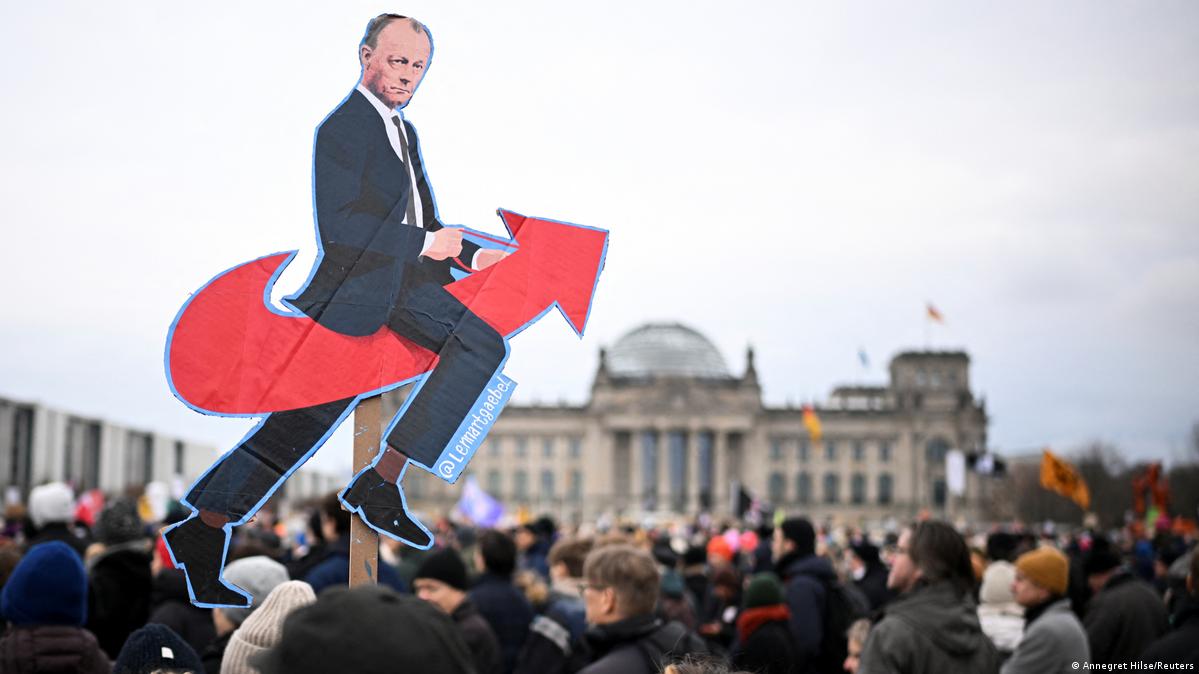
The importance of the vocabulary of the far right is increasing in global political discourse, where words such as 'family', 'nation', and 'people' acquire special meanings in specific contexts. Although these words may appear ordinary or even widely accepted at times, they carry deep meanings that reflect certain political and cultural orientations.
In recent years, we have witnessed a rise in the use of these terms in many countries, reflecting a shift in political discourse towards the enhancement of national and ethnic identities. This shift is not limited to Europe; it extends to other regions of the world, where the far right seeks to redefine national identity through this vocabulary.
Details of the Event
The significance of these terms is evident in how they are used in public discourse. For instance, when politicians talk about 'family', they are not merely referring to family unity but indicating a broader concept related to cultural and religious identity. This is what gives these words a special character in certain contexts, where they are used to justify specific policies or to enhance feelings of belonging.
The use of this vocabulary is also closely linked to the social and economic transformations that societies are experiencing. As economic and social pressures increase, the far right resorts to these words as a means to garner popular support by promising to protect traditional values and national identity.
Background & Context
Historically, the vocabulary of the far right has been associated with extreme nationalist ideas, having been used to promote feelings of racial superiority and discrimination against minorities. With the rise of right-wing movements in many countries, these words have become part of everyday political discourse, reflecting a shift in how national identity is understood.
In recent years, we have seen a notable rise of the far right in many European countries, where this vocabulary has been used as a tool to express concerns about immigration and cultural changes. This historical context illustrates how words can be used as instruments to control public discourse and direct it towards specific political goals.
Impact & Consequences
This phenomenon leads to profound effects on societies, as it can enhance social divisions and increase tensions among different groups. When these terms are used repeatedly, they become part of the collective consciousness, reinforcing feelings of fear and anxiety among certain segments.
Moreover, these words may be used to justify discriminatory policies, exacerbating humanitarian and social crises. Therefore, understanding this vocabulary and how it is used in political discourse becomes vital for comprehending current social and political dynamics.
Regional Significance
The impacts of this phenomenon extend beyond European borders, as it can also influence political discourse in the Arab region. With the rise of right-wing movements in some Arab countries, we may see similar usage of terms like 'identity' and 'authenticity' to promote specific policies. This situation requires awareness from Arab societies regarding how these words are used and their impact on national identity.
In conclusion, we must be conscious of how words are utilized in political discourse, as they can have far-reaching effects on societies. Words are not merely tools for communication; they are also instruments of power and control.