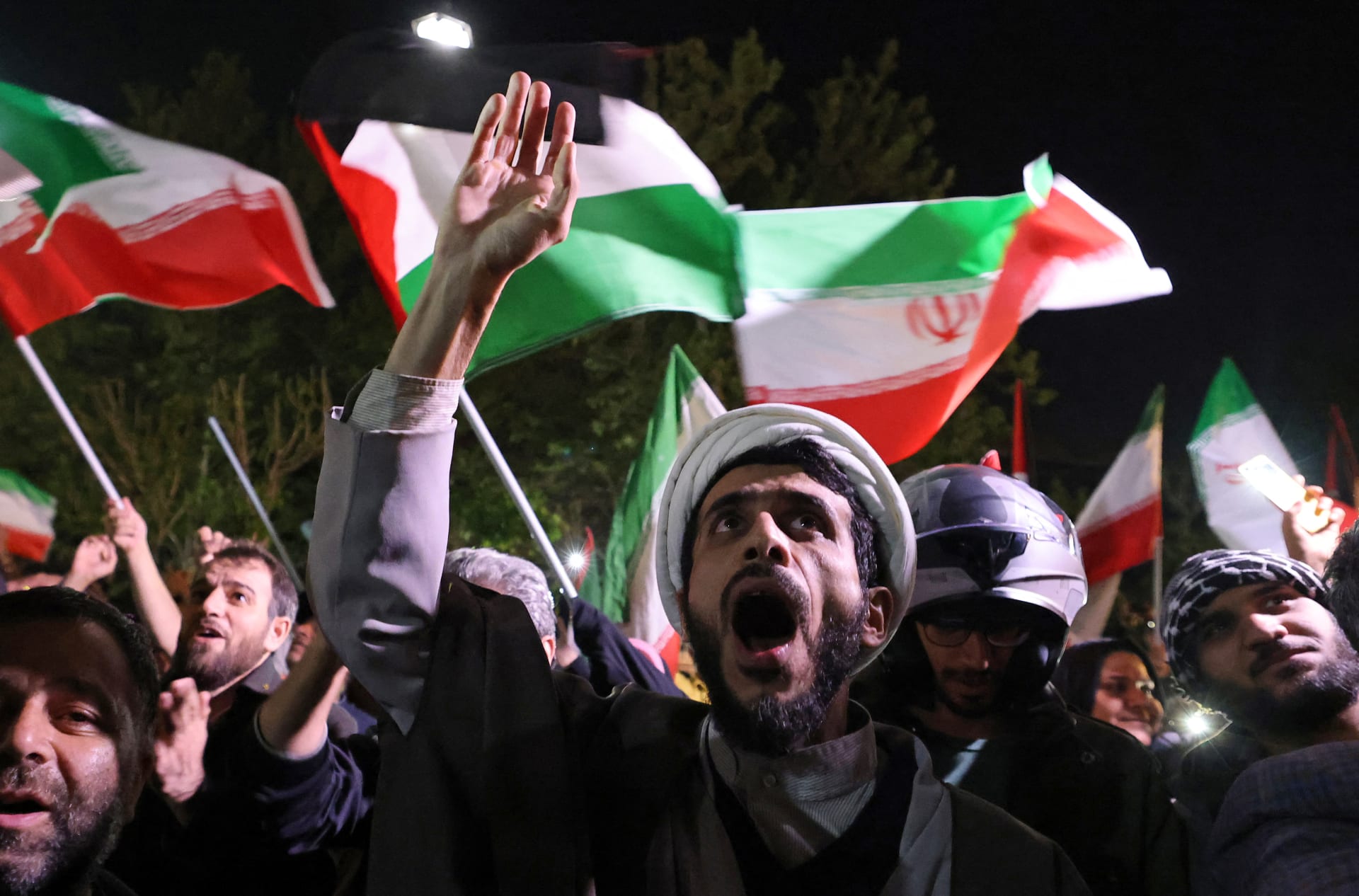
The disagreements between the United States and Israel in the war against Iran have become increasingly evident since military operations commenced on February 28. Three weeks into the conflict, significant divergences have emerged that surpass initial expectations. While Washington aims to find a strategic exit that preserves its dignity, Tel Aviv insists on continuing its military operations with the goal of weakening Iranian capabilities.
The differences between the two allies are multifaceted, ranging from the ultimate objectives of the war to the scenarios for ending military operations, and extending to who holds the initiative in determining the course of the battle. The administration of President Donald Trump is focused on achieving a diplomatic resolution, while Israel prioritizes military action to ensure that Iran's influence in the region is curtailed.
Strategic Objectives and Military Operations
One of the core disagreements lies in the strategic objectives of the war. The U.S. aims to negotiate a deal that would limit Iran's nuclear ambitions and regional influence, while Israel is more concerned with immediate military outcomes. This divergence raises questions about the effectiveness of their joint efforts and the potential for a unified strategy.
As military operations continue, Israel's approach appears to be more aggressive, focusing on airstrikes and ground operations aimed at Iranian assets in Syria and elsewhere. This has led to a situation where the U.S. is caught between its desire for a diplomatic solution and Israel's insistence on military action, complicating the overall strategy.
Background & Context
The historical context of U.S.-Israeli relations plays a significant role in the current disagreements. Traditionally, Israel has relied on U.S. support for its military actions, but the current administration's approach has shifted. The Trump administration has shown a willingness to support Israel's military objectives but also emphasizes the need for a long-term diplomatic solution.
Moreover, the geopolitical landscape in the Middle East has changed dramatically in recent years, with new alliances forming and old rivalries resurfacing. This dynamic adds another layer of complexity to the U.S.-Israel relationship and their joint efforts against Iran.
Impact & Consequences
The ongoing disagreements could have significant implications for the region. If the U.S. and Israel cannot reconcile their differences, it may lead to a fragmented approach that undermines their overall objectives. This could embolden Iran and its allies, potentially leading to increased instability in the region.
Furthermore, the lack of a cohesive strategy may result in unintended consequences, such as civilian casualties and further escalation of hostilities. The international community is closely monitoring the situation, and any missteps could have far-reaching effects on global security.
Regional Significance
The conflict's implications extend beyond the immediate U.S.-Israel-Iran triangle. Other regional players, such as Saudi Arabia and Turkey, are also watching closely and may adjust their strategies based on the outcomes of this conflict. The potential for a broader regional conflict remains a concern, especially if tensions escalate further.
In conclusion, the disagreements between Washington and Tel Aviv highlight the complexities of the Iran war and the challenges of aligning their strategic objectives. As both nations navigate this conflict, the need for a unified approach becomes increasingly critical to achieving their goals and ensuring stability in the region.