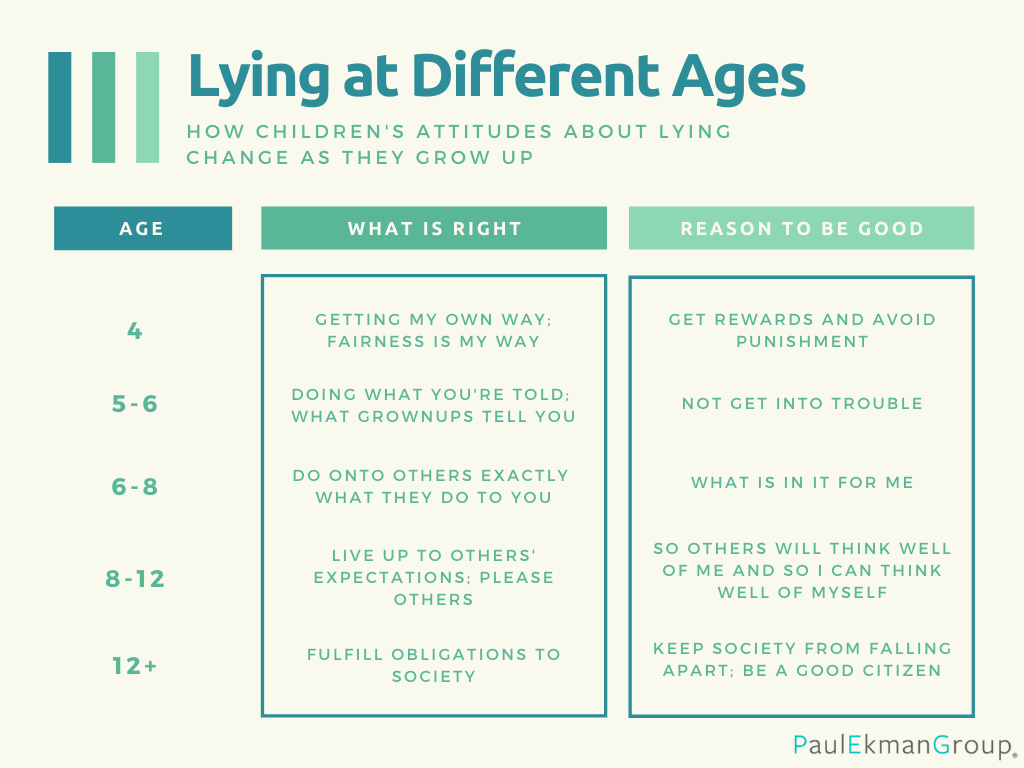
The phenomenon of lying among children is a controversial topic, revealing that lying is not always a negative behavior. Studies indicate that it can be part of their growth and social development.
Research shows that children begin to lie at an early age, often within the context of play or interaction with their peers. This behavior can be seen as a means to develop critical thinking and creativity skills.
Details of the Phenomenon
Studies indicate that children aged three to five start using lying as a way to express themselves or to avoid punishment. For instance, a child might lie to protect themselves from blame or to attract the attention of others. This stage is considered normal in their psychological and social development.
Additionally, research has shown that children who engage in lying at an early age tend to be more socially intelligent, as they learn how to read others' emotions and anticipate their reactions. This suggests that lying may be a sign of their developing social skills.
Background & Context
Historically, lying has been viewed as an unethical act, but in recent years, researchers have begun to reevaluate this concept. Lying can have positive aspects, such as enhancing imagination and creativity. In some cultures, lying is considered part of the performing arts, as it is used in storytelling and myths.
Moreover, lying can be a means of coping with social pressures. Children who face pressure to meet certain expectations may resort to lying as a way to adapt to those pressures.
Impact & Consequences
The phenomenon of lying among children requires special attention from parents and teachers. It is important for parents to learn how to address this behavior positively, rather than punishing children harshly. A proper understanding of this phenomenon can enhance trust between parents and children.
Furthermore, positive interaction with children when they lie can help them better understand the consequences of their actions, thereby enhancing their ability to make the right decisions in the future.
Regional Significance
In the Arab region, the phenomenon of lying among children is a sensitive topic, as it is linked to cultural and religious values. Lying may be viewed negatively in some communities, making it essential to promote dialogue around this subject.
Through education and positive guidance, parents and teachers can help children better understand lying, contributing to the development of their social and psychological skills.
In conclusion, lying among children is not merely a negative behavior; it is part of their growth and development process. With proper understanding and support, this phenomenon can be transformed into an opportunity to enhance children's social and psychological skills.