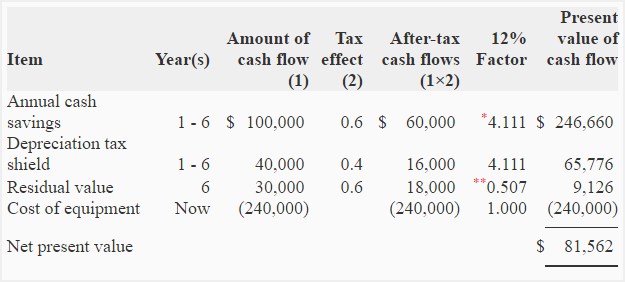
The relationship between management movements and taxation is becoming increasingly important, as reports reveal that administrative decisions directly affect the tax system. This raises questions about how these movements impact the economy and markets.
Recently, studies have shown a close correlation between management decisions and the taxes imposed on companies. Whenever management makes new strategic decisions, changes in the tax system follow, affecting the financial performance of businesses.
Details of the Event
Reports indicate that management movements, whether related to business expansion or contraction, significantly affect how taxes are imposed. For example, when a company decides to expand its operations into a new area, it must adapt to local tax laws, which may lead to an increase or decrease in its tax burden.
Moreover, changes in senior management, such as the appointment of a new CEO, can lead to shifts in tax strategies. This dynamic makes it essential for companies to closely monitor administrative changes to ensure compliance with tax laws and avoid penalties.
Background & Context
Historically, taxes have always been a fundamental part of any company's strategic planning. However, the relationship between management and taxation has not always been clear. In recent decades, with the increasing complexity of tax systems, it has become imperative to understand how management decisions affect tax liabilities.
In many countries, we have witnessed significant changes in tax policies as a result of changes in management. For instance, new policies adopted by governments may lead to changes in how taxes are levied on companies, prompting management to reassess their strategies.
Impact & Consequences
The effects of management movements and taxation extend beyond individual companies, as these dynamics influence the economy as a whole. When companies make strategic decisions that lead to increased taxes, this may result in reduced investments, negatively impacting economic growth.
Additionally, changes in the tax system may lead to instability in financial markets, affecting stock prices and expected profits. Therefore, understanding the relationship between management and taxation is vital for investors and economic analysts.
Regional Significance
In the Arab region, where economic systems and tax policies vary, it becomes crucial to understand how management movements affect taxation. Many companies in Arab countries face challenges similar to those encountered by companies in Western nations, requiring them to adapt to rapid changes in tax policies.
Furthermore, changes in management may affect companies' ability to compete in global markets, necessitating flexible strategies to cope with tax changes. Ultimately, understanding these dynamics can help Arab companies enhance their strategies and achieve success in a changing business environment.