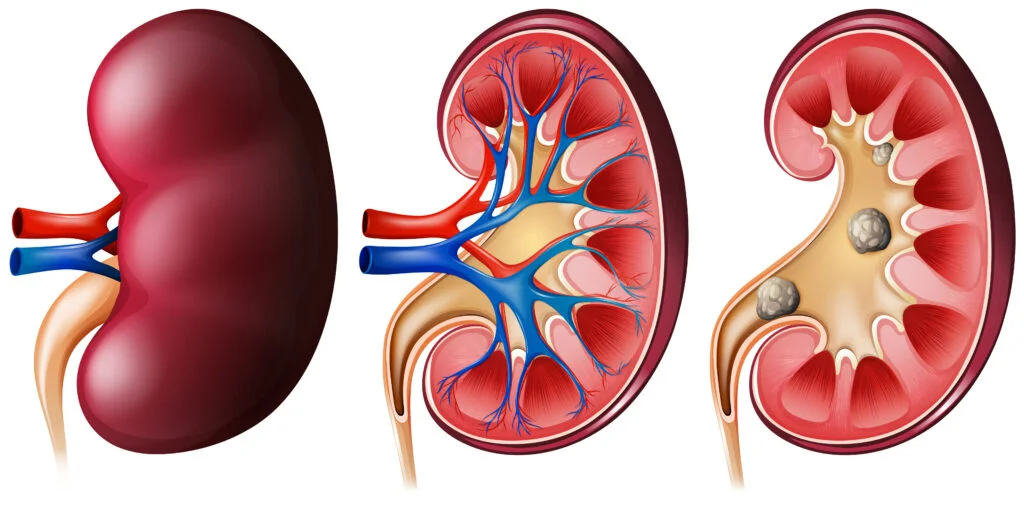
Kidney stones are a prevalent health concern that impacts numerous people globally. These stones form due to the accumulation of minerals and salts in the kidneys, leading to the creation of crystals that can cause severe pain when passing through the urinary tract.
Research indicates that several factors contribute to an increased risk of developing kidney stones, including dehydration, a diet high in salts and proteins, and certain health conditions such as diabetes and hypertension. Additionally, genetic factors play a significant role, as individuals with a family history of kidney stones may have a higher likelihood of developing them.
Understanding Symptoms of Kidney Stones
The symptoms of kidney stones can vary from person to person, but some of the most notable include sharp pain in the lower back or side, which may extend to the abdomen. Those affected may also experience nausea and vomiting, along with the presence of blood in the urine. In some cases, symptoms may be mild and only detected during medical examinations.
To reduce the risk of kidney stones, it is advisable to drink adequate amounts of water daily, as this helps dilute the concentration of salts and minerals in the urine. A balanced diet rich in fruits and vegetables is also recommended, while avoiding foods high in salts and fats.
Background & Context
Historically, kidney stones have been regarded as an ancient health issue, documented in many ancient civilizations. With advancements in medicine, diagnostic and treatment methods have become more sophisticated, aiding in the reduction of complications associated with this condition. Nevertheless, kidney stones continue to pose a significant health challenge in many countries, particularly in regions facing water scarcity.
Statistics show that the incidence of kidney stones has notably increased in recent years, necessitating effective preventive measures. Raising awareness about the importance of hydration and healthy eating is fundamental in addressing this issue.
Impact & Consequences
Kidney stones significantly affect the quality of life for those who suffer from them, often leading to severe pain and other health complications. In some instances, the presence of kidney stones may require surgical intervention, which increases medical costs and burdens the healthcare system.
Furthermore, this health issue can impact workplace productivity, as individuals may experience prolonged absences due to pain or treatment. Therefore, awareness and prevention are essential to mitigate these negative effects.
Regional Significance
Kidney stones are a health issue affecting many Arab countries, where environmental factors and lifestyle contribute to increased incidence rates. In some nations, populations face water shortages, heightening the risk of this condition.
Consequently, governments and health institutions in the Arab region must enhance health awareness programs and provide necessary resources to prevent kidney stones. Improving access to healthcare is also vital in addressing these challenges.
In conclusion, kidney stones represent a health problem that requires special attention, as they can affect millions of lives. Through awareness and prevention, the risk of developing kidney stones can be reduced, thereby improving individuals' quality of life.