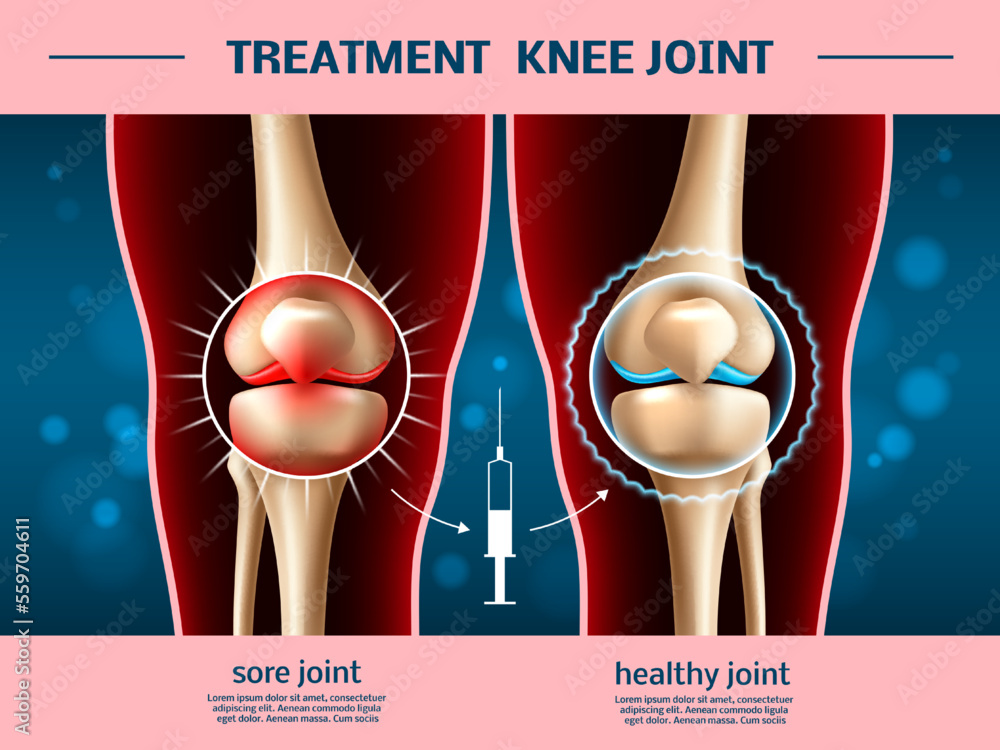
Knee joint inflammation is a prevalent medical condition that affects millions around the world. Many individuals suffer from severe pain and difficulty in movement due to this inflammation, negatively impacting their quality of life. The causes of knee inflammation vary, ranging from sports injuries to chronic diseases such as arthritis.
Studies indicate that knee joint inflammation can result from multiple factors, including aging, excess weight, and previous injuries. There are also different types of arthritis, such as rheumatoid arthritis and osteoarthritis, which particularly affect the knee.
Details of the Condition
Knee joint inflammation occurs when the tissues surrounding the joint become injured or inflamed. This inflammation can lead to swelling and severe pain, making movement difficult. In some cases, patients may experience stiffness in the knee, especially after periods of rest.
Common symptoms of knee joint inflammation include pain during movement, swelling, and redness. Pain may worsen during physical activities or even when walking short distances. In severe cases, medical intervention may be required to alleviate symptoms.
Background & Context
Historically, knee joint inflammation was considered a common health issue among the elderly; however, recent studies have shown that younger individuals, particularly athletes, are also at risk for this inflammation. Physical activity is essential for maintaining joint health, but excessive exercise without necessary precautions can lead to injuries.
The number of individuals suffering from knee joint inflammation is increasing in the Arab world, necessitating greater awareness regarding prevention and treatment. Today, many treatment options are available, ranging from medications and physical therapy to surgery in advanced cases.
Impact & Consequences
Knee joint inflammation significantly affects individuals' lives, as it can limit their ability to perform daily activities. This impact extends to the psychological aspect, as many feel frustrated due to persistent pain and mobility difficulties.
Additionally, knee inflammation can lead to increased healthcare costs, as patients require frequent doctor visits, medications, and physical therapy. In some cases, surgery may be necessary, further increasing the financial burden on patients and their families.
Regional Significance
In the Arab region, knee joint inflammation is an escalating health issue. With rising obesity rates and sedentary lifestyles, many individuals face the risk of developing this inflammation. Therefore, collective efforts are required to raise awareness about the importance of physical activity and healthy nutrition.
Addressing this issue requires collaboration between governments and health authorities to provide effective awareness and treatment programs. These programs should include early screening and psychological support for patients.
In conclusion, knee joint inflammation is a significant health concern that requires special attention. By increasing awareness and providing appropriate treatment, the quality of life for individuals affected by this inflammation can be improved.