Iran and the United States are seeking to reach an understanding to end the war that broke out at the end of February, despite the atmosphere of distrust and the limited escalation witnessed in the region this week. According to Agence France-Presse, diplomatic efforts are still ongoing despite mutual accusations between the two parties.
In this context, Tehran accused Washington of violating the ceasefire that was agreed upon since April 8, after the United States announced airstrikes in southern Iran targeting sites for launching missiles and boats attempting to plant mines. Under these circumstances, Iranian state television published what it described as a "preliminary framework for understanding" being worked on with Washington, mediated by Pakistan, indicating that the text is still not final.
Details of the Event
Iran reported that it is in the process of finalizing a preliminary understanding with the United States consisting of 14 points, focusing on the necessity of stopping the war on all fronts, including Lebanon, where Israel has intensified its attacks against the Iranian-backed "Hezbollah." Iranian authorities have only revealed the outlines of the proposal, while local media published additional details.
As part of these efforts, an Iranian delegation visited Qatar for official talks, where reports indicated that the goal of the visit was to reach an understanding regarding the implementation of Iran's demands, including the release of about $24 billion of its frozen assets abroad. Iranian media estimate the total frozen Iranian assets to range between $100 billion and $123 billion.
Background & Context
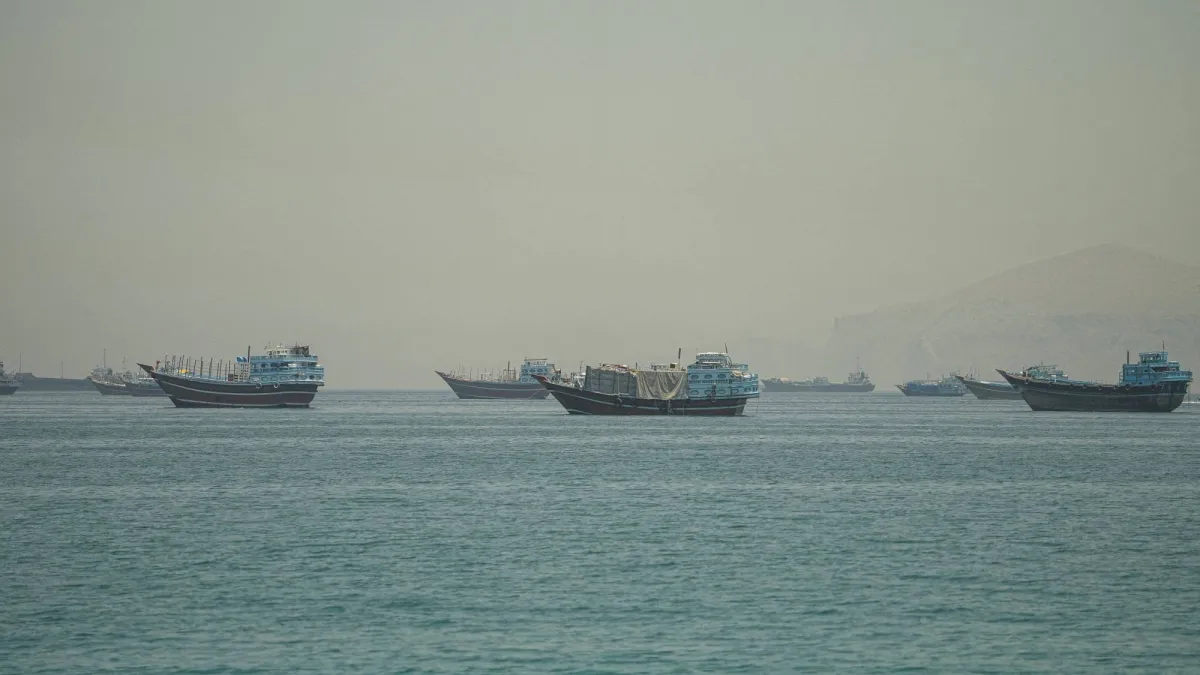
Iran maintains control over the Strait of Hormuz, a vital corridor for oil shipments and global trade, while the United States has imposed a blockade on Iranian ports since mid-April. The spokesperson for the Iranian Foreign Ministry confirmed that the draft of the preliminary understanding includes provisions related to ending the U.S. blockade and regulating the passage of commercial ships through the Strait of Hormuz.
Reports indicate that the preliminary understanding stipulates the United States' commitment to lifting the maritime blockade, while Iran commits to ensuring the passage of the same number of commercial ships that were present before the war. However, Iran has not made any commitment to reopen the Strait of Hormuz unconditionally, complicating the negotiations further.
Impact & Consequences
On the Lebanese front, Israel has intensified its operations against "Hezbollah," with Israeli Prime Minister Benjamin Netanyahu confirming that U.S. President Donald Trump assured him of "Israel's right to self-defense." At the same time, Baqai stated that the Iranian nuclear file would be discussed later, highlighting the challenges facing the negotiations.
In Washington, Trump confirmed that Iran would not receive relief from sanctions in exchange for abandoning highly enriched uranium, reflecting the U.S. administration's firm stance. He indicated that any agreement must include strong guarantees that Washington adheres to, especially after its withdrawal from the nuclear agreement in 2015.
Regional Significance
Concerns are growing that these negotiations could impact the stability of the region, especially amid rising tensions between Israel and "Hezbollah." Any potential agreement between Washington and Tehran could change the dynamics of the conflict in the Middle East and affect neighboring Arab countries.
In conclusion, the future of relations between Iran and the United States remains unclear, as regional and international interests intertwine in these negotiations. Any progress in this direction could contribute to easing tensions in the region, but it requires ongoing diplomatic efforts and flexibility from all parties involved.