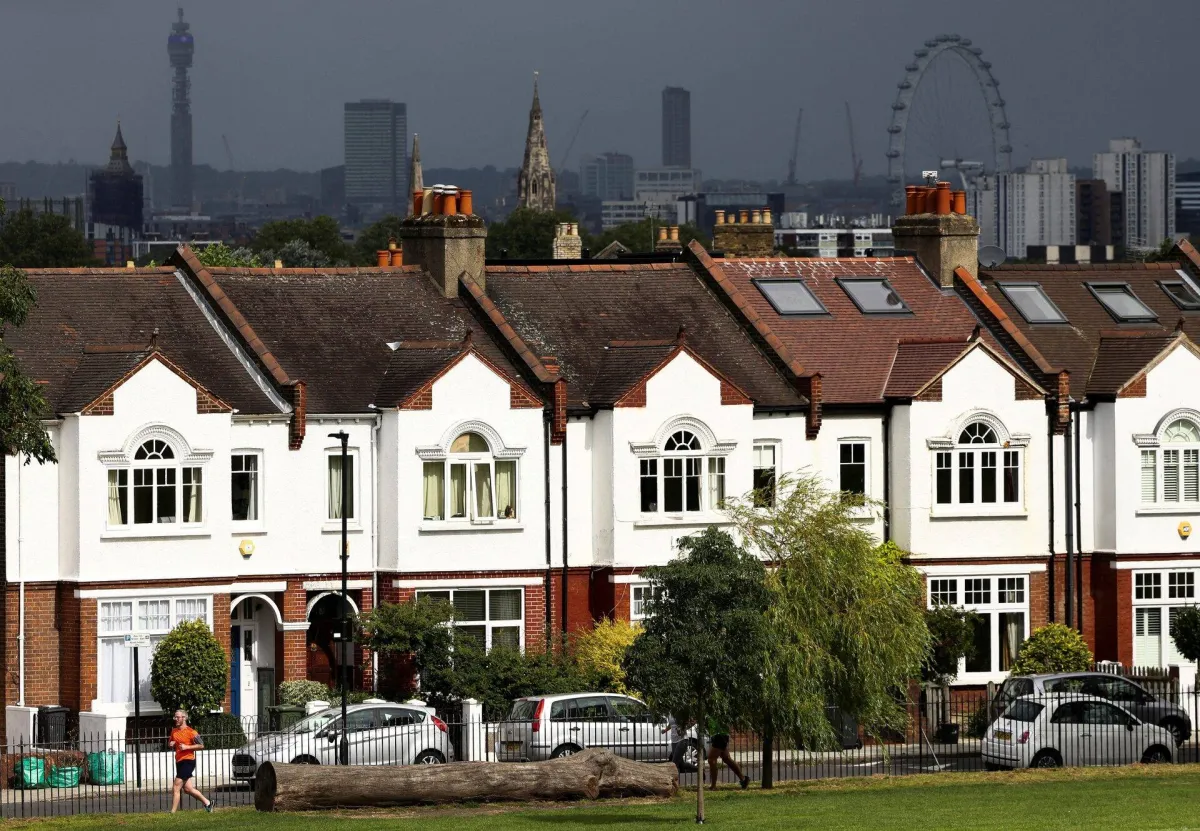
Halifax mortgage company announced on Wednesday an unexpected decline in UK house prices over the past month, with prices dropping by 0.5% month-on-month in March after rising by 0.3% in February. This decline comes amid increasing economic uncertainty, which has negatively impacted buyer demand.
Reports indicated that a survey conducted by Reuters had anticipated a price increase of 0.1%, highlighting the gap between expectations and actual market performance. In contrast, data from Nationwide, a competitor in the mortgage sector, showed a notable rise in house prices during the same period, complicating the real estate landscape in the UK.
Details of the Event
On a yearly basis, Halifax reported that the house price index rose by 0.8% compared to March 2025, which is below expectations that indicated growth of 1.5%. In this context, Amanda Bryden, head of mortgages at Halifax, stated that the recent slowdown in the housing market reflects the uncertainty associated with the conflict in the Middle East, which has affected buyer confidence.
Bryden added that concerns over rising energy prices have bolstered inflation expectations, leading to increased mortgage rates and weakening confidence in the possibility of interest rate cuts this year, which has limited the momentum seen in the market at the beginning of the year.
Background & Context
These developments come at a time when global markets are experiencing significant volatility due to ongoing events in the Middle East. European stocks surged by more than 3% on Wednesday following the announcement of a two-week ceasefire in the region, restoring confidence in global markets and boosting hopes for a resumption of oil and gas flows through the Strait of Hormuz.
The Stoxx 600 European index also rose by 3.6% to 611.73 points, reflecting a marked improvement in market performance. However, investors remain cautious, anticipating whether the truce will lead to a permanent resolution of the crisis.
Impact & Consequences
Concerns are growing that the ongoing conflict in the Middle East may affect the stability of the real estate market in the UK, as many buyers rely on economic stability to guide their investment decisions. Additionally, rising energy prices may lead to increased living costs, limiting consumers' purchasing power.
Simultaneously, financial markets are monitoring the effects of these events on the British economy, with analysts predicting that the decline in house prices could diminish confidence in the real estate market, potentially impacting future investments.
Regional Significance
The repercussions of the conflict in the Middle East are particularly significant for Arab countries, as any escalation in the situation could affect oil and gas prices, reflecting on the region's economies. Furthermore, the decline in UK house prices may impact Arab investments in the British market.
In conclusion, the situation in the UK real estate market remains under observation, as investors look for any signs indicating stability in the economic conditions of the region.