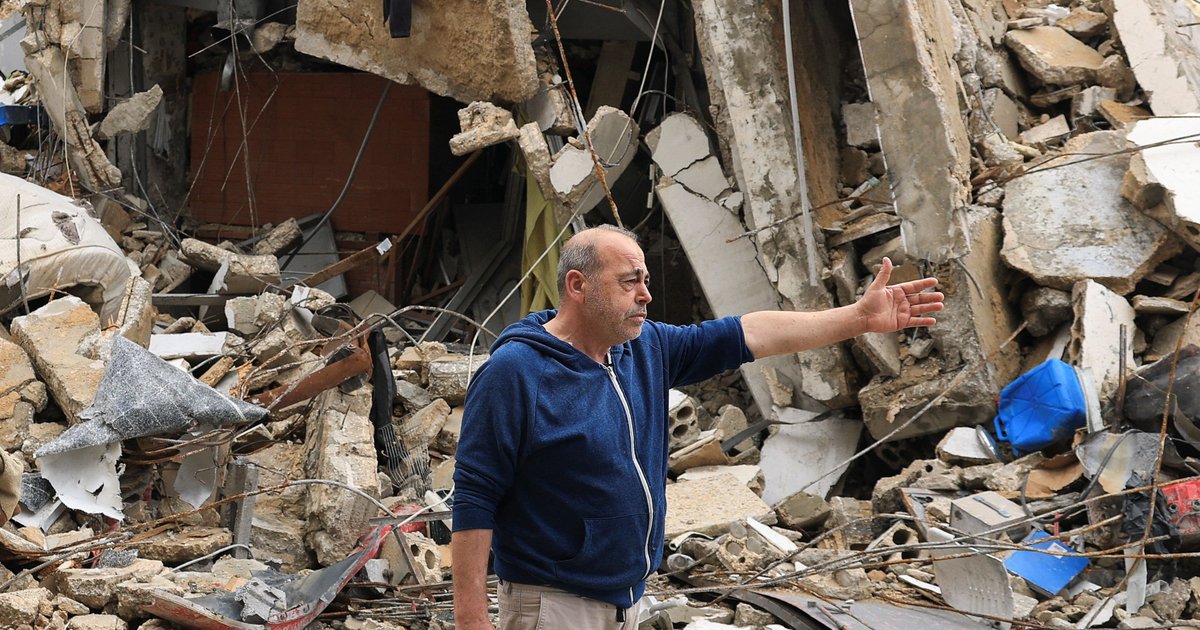
The United Nations Interim Force in Lebanon, known as UNIFIL, has issued a warning regarding the mutual attacks between Israel and Hezbollah near its positions, stating that these actions could lead to a serious escalation in the region. This warning was made in an official statement from the mission, expressing deep concern over these attacks that could provoke uncalculated military responses.
UNIFIL confirmed that it is closely monitoring the situation, noting that attacks launched from areas near its positions could put its forces at risk of being caught in crossfire. It called on all parties to halt fire and refrain from any actions that could exacerbate the situation.
Details of the Incident
This warning comes at a sensitive time, as tensions along the Lebanese-Israeli border have escalated in recent weeks. Clashes between the two sides have increased, raising fears of a new war that could impact regional stability. Reports indicate that both sides have conducted military operations, heightening the tensions further.
In this context, UNIFIL emphasized the importance of dialogue and diplomacy as means to resolve conflicts. It urged the involved parties to take concrete steps towards de-escalation, stressing the necessity of respecting Lebanon's sovereignty and its right to security.
Background & Context
Historically, the Lebanese-Israeli border has witnessed numerous armed conflicts, with the area being the stage for several wars and disputes. The conflict between Israel and Hezbollah dates back decades, with the July 2006 war resulting in widespread devastation in Lebanon.
UNIFIL is part of international efforts to maintain peace in the region and was deployed following the end of the Lebanese Civil War in 1978. Since then, it has played a significant role in monitoring the border and providing humanitarian assistance to local populations.
Impact & Consequences
The current escalations could have serious repercussions on regional security, as armed conflicts may affect stability in neighboring countries and increase civilian suffering. Any escalation could also lead to a flow of refugees into neighboring states, placing additional pressures on those countries.
Moreover, these events could impact international relations, as major powers may intervene in the conflict, complicating the situation further. Any escalation could lead to a reassessment of strategies by countries in the region.
Regional Significance
The situation in Lebanon is part of the larger picture of security in the Arab region. The tensions between Israel and Hezbollah could affect relations between Arab countries and Israel, especially amidst normalization attempts by some states.
Additionally, any escalation could revive old conflicts and deepen divisions among various factions in the region. Therefore, Lebanon's stability is vital for regional security.
In conclusion, hope remains pinned on the efforts of the international community to achieve peace and stability in the region, as dialogue and understanding are the only ways to avoid further escalation.