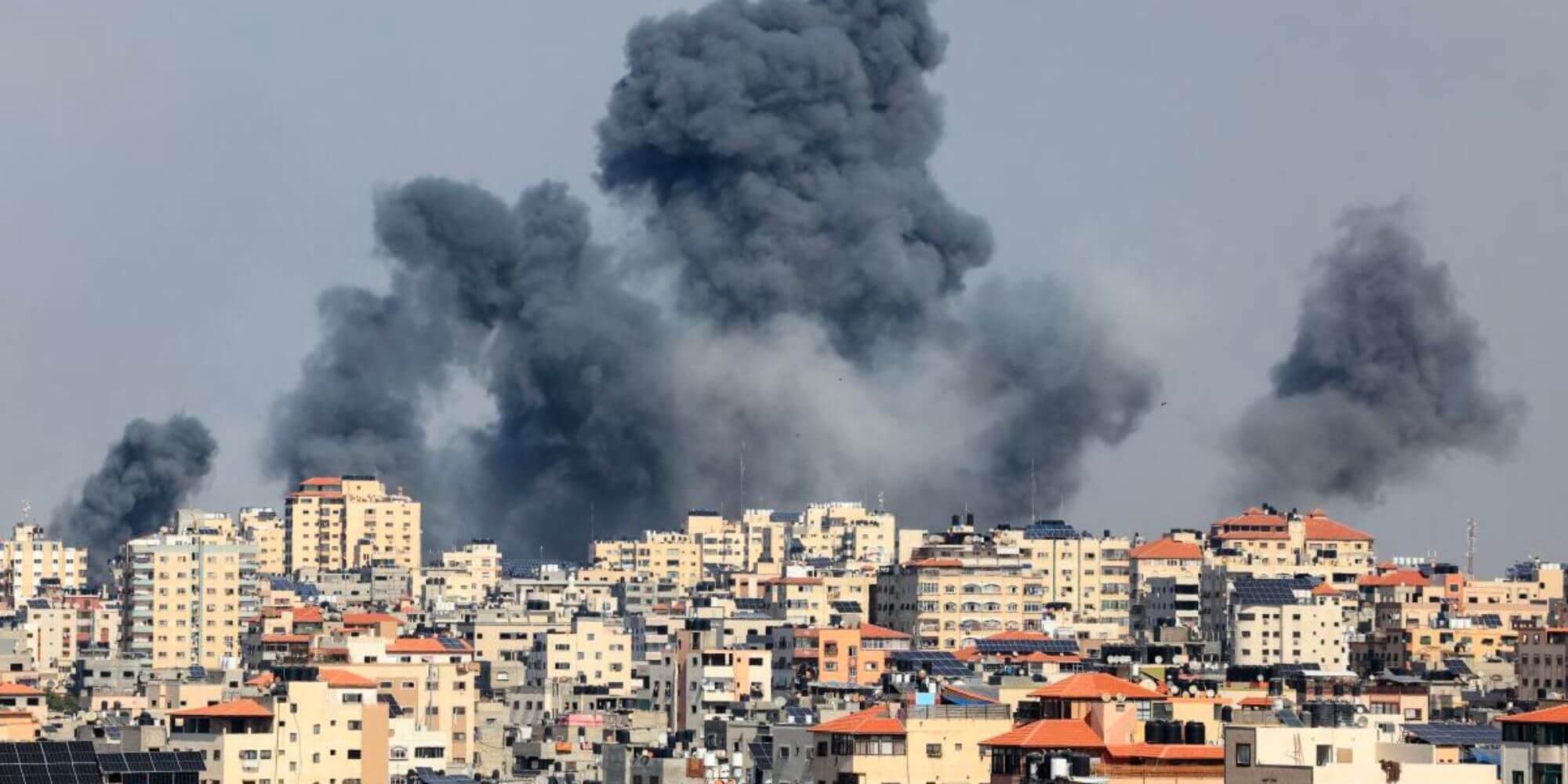
Unilever, one of the world's largest consumer goods companies, has announced its decision to freeze hiring globally for a minimum of three months. This decision comes amid the challenging economic conditions caused by the escalating crises in the Middle East, which have significantly impacted global markets.
As a leading player in the consumer goods industry, Unilever offers a wide range of products including food items, personal care, and home care products. However, the current situation in the Middle East, which is witnessing a rise in conflicts, has prompted the company to take precautionary steps to maintain its financial stability.
Details of the Hiring Freeze
According to a memo obtained by Reuters, Unilever has frozen hiring at all levels, meaning that all planned new positions have been put on hold. This decision reflects the company's concern about the impact of regional crises on its business operations and future profits.
This decision comes at a sensitive time, as economic pressures on global companies are increasing due to political and economic tensions in several regions, including the Middle East. Many analysts have pointed out that this move reflects a broader market trend towards cost-cutting and risk avoidance amid unstable conditions.
Background & Context
Historically, the Middle East has witnessed numerous armed conflicts and political crises that have significantly affected the global economy. Since the onset of the conflict in Syria, through tensions between Iran and Western countries, to the Israeli-Palestinian conflict, major companies like Unilever have been directly impacted by these events.
In recent years, the intensity of these conflicts has increased, exacerbating the economic conditions in the region. With the proliferation of crises, global companies have become more cautious in their investments and hiring practices, reflecting a state of uncertainty in the markets.
Impact & Consequences
The hiring freeze at Unilever could have wide-ranging implications for the global market. In addition to the direct impact on potential employees, this decision may also affect the company's supply chain and production operations. It could lead to a reduction in innovation and development of new products, potentially impacting the company's ability to compete in the market.
Moreover, this decision may raise concerns among investors, who might view it as a sign of the company's weakening financial performance in the future. Under the current economic conditions, it may be challenging for major companies like Unilever to regain market confidence.
Regional Significance
Considering the potential impact of this decision on the Arab region, the hiring freeze at a major company like Unilever may reflect a state of economic instability in the area. With the increasing crises, other companies may find themselves compelled to take similar steps, potentially leading to higher unemployment rates and deteriorating economic conditions.
This decision may also affect confidence in foreign investment in the region, as investors may hesitate to inject funds into markets suffering from instability. Consequently, the current situation requires a swift response from governments and companies to bolster economic stability.
In conclusion, Unilever's decision to freeze hiring reflects the significant challenges faced by companies amid escalating crises. It is crucial for both companies and governments to remain prepared to adapt to these changes to ensure the stability of both the global and local economies.