Unilever, regarded as one of the largest global companies in the consumer goods sector, has announced an immediate hiring freeze due to what it described as "significant challenges" stemming from the ongoing conflict in the Middle East. This hiring freeze will affect all job levels within the company and is expected to last for at least three months, according to a memo leaked to the media.
In a memo addressed to employees, Fabian Garcia, the head of Unilever's personal care division, stated that "the macroeconomic and geopolitical reality, particularly regarding the conflict in the Middle East, presents significant challenges in the coming months." The company also confirmed in a statement that it will remain flexible in its plans and employment adjustments as necessary.
Details of the Hiring Freeze
Unilever currently employs approximately 96,000 employees across 190 countries and is considered a leader in beauty and personal care, home care, and food sectors. The decision to halt hiring comes at a sensitive time, as the company had previously committed to achieving savings of up to 800 million euros (approximately 918 million dollars) by 2024, which would result in a reduction of 7,500 office jobs.
According to recent financial reports, Unilever achieved savings of up to 670 million euros by the end of 2025, with an expectation to achieve an additional 130 million euros in 2026. However, the current challenges may impact these targets.
Background & Context
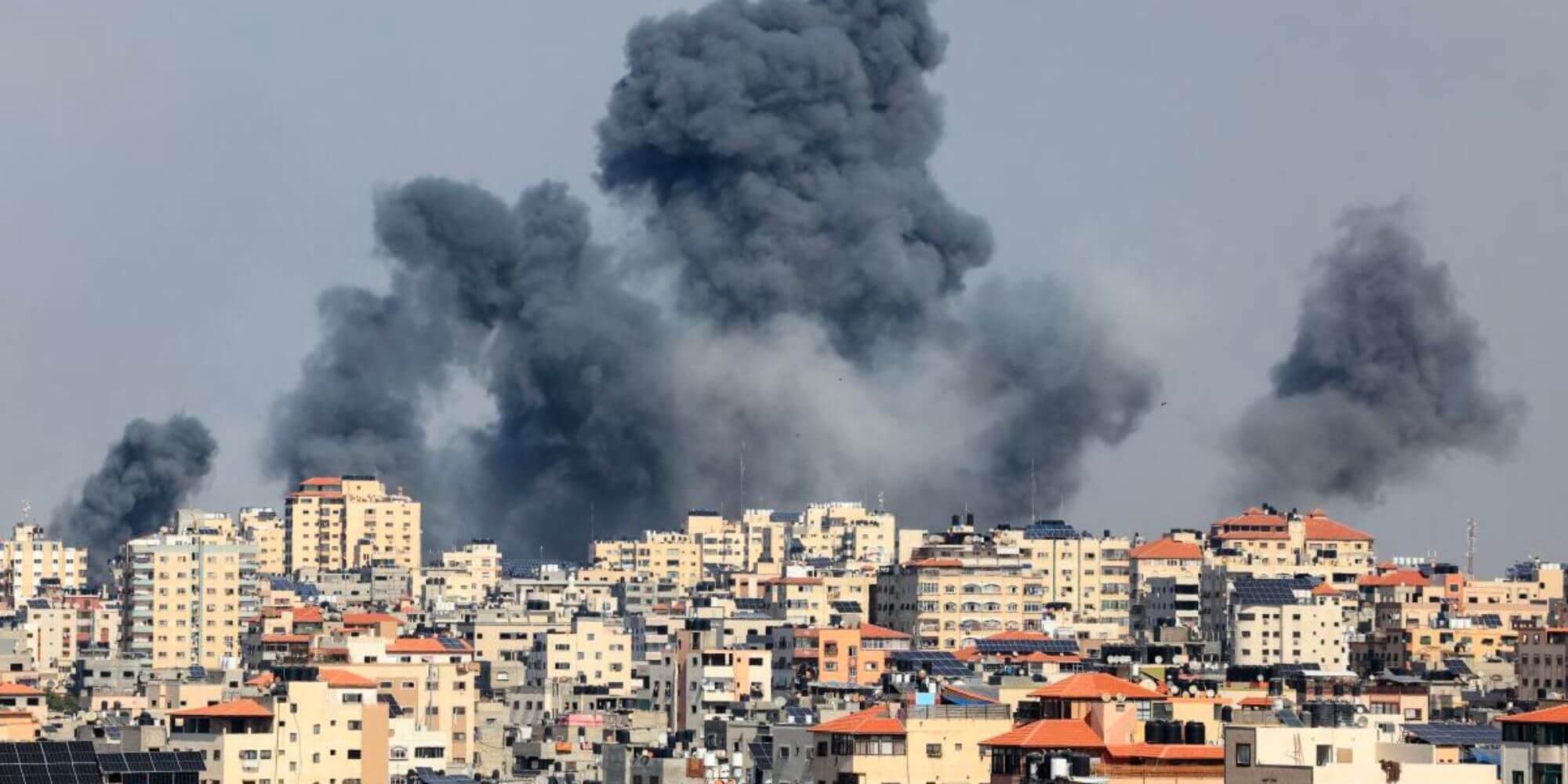
Many economic sectors worldwide are being affected by the ongoing conflict between the United States and Iran, which began on February 28. This conflict has led to a rise in oil prices to over 100 dollars per barrel, increasing concerns about fuel prices and overall inflation in food, transportation, and household goods.
Airlines have been particularly affected by rising jet fuel prices, which have increased by 103% compared to last month, according to data from the International Air Transport Association. British companies such as Next and H&M have warned of price increases if instability in the region continues in the coming months.
Impact & Consequences
Many companies, including Unilever, expect these conditions to lead to increased costs, which will affect consumers' purchasing power. Additionally, rising food prices due to shipping disruptions may exacerbate inflation, putting further pressure on households.
These conditions are expected to impact fertilizer prices, as more than a third of globally traded fertilizers pass through the Strait of Hormuz, making it difficult for farmers to grow crops during the critical spring season. Economists have warned that food prices may rise in the coming months, increasing inflationary pressures on consumers.
Regional Significance
The Arab region is among the most affected by geopolitical tensions in the Middle East, as many countries rely on importing essential goods. Rising food and consumer goods prices may directly impact food security in many Arab nations, increasing economic and social challenges.
In light of these circumstances, Arab governments must take proactive measures to mitigate the effects of inflation and ensure the stability of local markets. Regional cooperation should also be strengthened to address shared challenges.