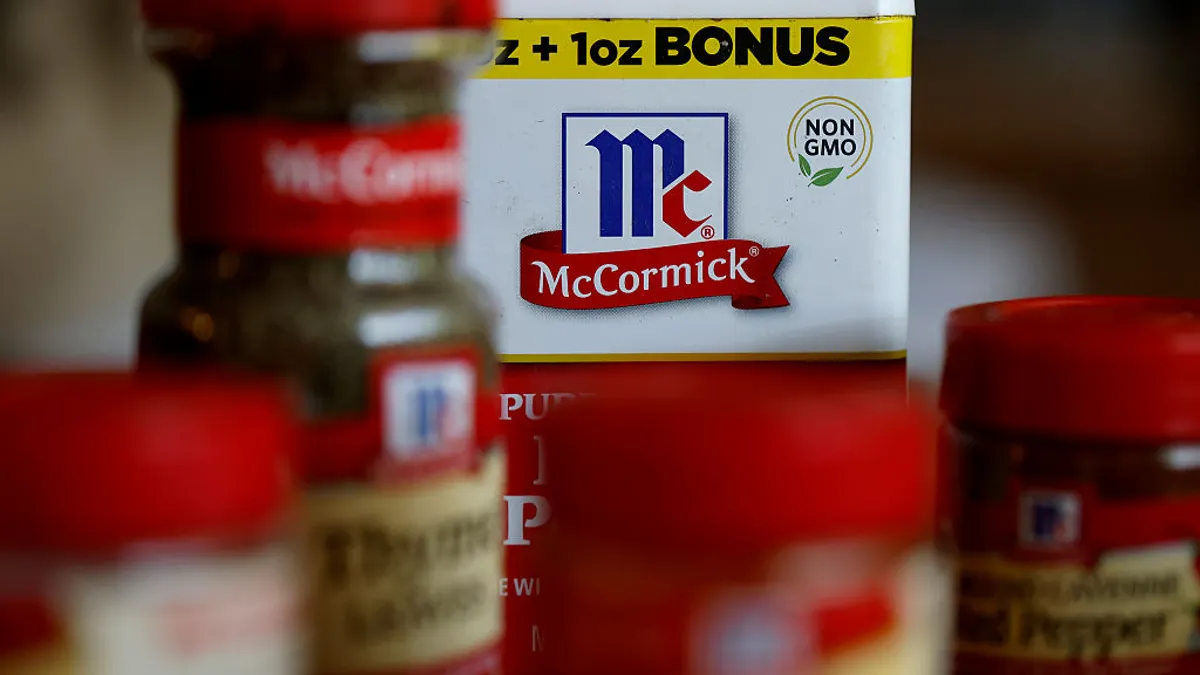
Unilever's recent acquisition in the food sector has sparked investor fears, leading to a sharp decline in stock value by $42 billion. This deal, seen as a radical shift, has overturned previous expectations regarding stock performance, which had long been considered a defensive indicator in the market.
These developments come at a sensitive time for Unilever, which is striving to enhance its position in the food market. The new deal, involving the purchase of McCormick, has raised questions about the company's future strategies and their impact on stock performance amid current economic conditions.
Details of the Event
In an unexpected move, Unilever announced the acquisition of McCormick, raising investor concerns about the economic viability of this deal. McCormick, known for producing spices and seasonings, is regarded as a leading name in this sector, but the acquisition comes at a time when Unilever is facing significant pressure from increasing competition in the market.
Unilever's shares dropped significantly following the announcement of the deal, with many analysts believing that this move could lead to a short-term erosion of stock value. Investors who once viewed Unilever as a safe haven are beginning to reassess their investments in light of these new circumstances.
Background & Context
Founded in 1929, Unilever is one of the largest food companies in the world, known for offering a wide range of food and personal care products. Over the years, the company has been considered one of the preferred defensive stocks for investors due to its stable performance during economic crises.
However, changes in consumer behavior and increased competition from startups have posed new challenges for Unilever. The deal with McCormick is part of the company's efforts to adapt to these changes and regain growth, but negative market reactions indicate that investors are uncertain about the viability of this strategy.
Impact & Consequences
The deal with McCormick represents a turning point in Unilever's strategy and could significantly affect the company's future. If Unilever fails to effectively integrate McCormick, it may struggle to regain investor confidence, potentially leading to further declines in stock value.
On the other hand, if Unilever can achieve the necessary integration, this deal could open new avenues for growth in the food market. However, the challenges facing the company require effective management and a clear strategic vision to ensure future success.
Regional Significance
Unilever is one of the global companies with a strong presence in the Arab market, offering a wide range of products that meet consumer needs in the region. Any changes in the company's strategies may directly impact its operations in Arab countries, necessitating close monitoring by investors and analysts in the region.
The Arab market is becoming increasingly important for Unilever, especially given the population growth and rising demand for food products. Therefore, the success or failure of the deal with McCormick could have far-reaching effects on the company's strategies in the region.